Direct supply of seamless, welded, and capillary titanium tubing customized for Brisbane industrial applications.
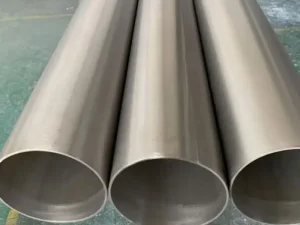
ASTM B862 compliant welded pipes. Excellent chemical stability under aggressive oxidation atmospheres. Perfect for local Brisbane water purification and petrochemical processing.
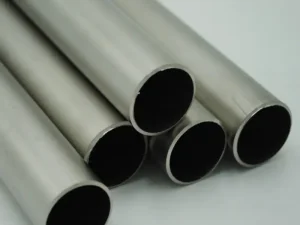
ASTM B338 / B861 seamless pressure tubes designed for extreme subsea and high-stress marine engineering in Queensland’s deepwater ports.
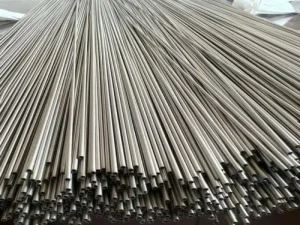
High-precision capillary tubing for laboratory analytical systems, aerospace instrumentation, and medical devices in the Queensland research corridors.
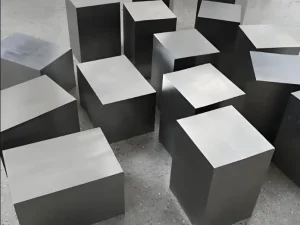
Heavy-duty forged rings, discs, and shafts. Built to withstand mechanical wear in Queensland mining crushers and heavy smelting operations.
As the primary economic gateway to Queensland, the Brisbane industrial corridor is witnessing an unprecedented transition from standard carbon steel to high-performance non-ferrous alloys. Driven by massive capital expenditures in maritime infrastructure, mineral refineries, and decentralized hydrogen testbeds, the regional demand for high-strength titanium tubes and piping systems has escalated significantly.
Coastal and marine infrastructure across Moreton Bay demands materials that can resist permanent chloride-induced pitting. Traditional stainless steels, including Duplex variants, often fail over extended exposure cycles due to micro-crevice corrosion. Titanium (Grades 1, 2, 7, and 12) exhibits thermodynamic stability under marine environments, rendering it the standard specification for modern heat exchangers and salt-water cooling lines within local power plants and naval facilities.
Additionally, Brisbane's alignment with national defence initiatives (specifically advanced manufacturing and sovereign aerospace engineering) has necessitated localized stockholding of aerospace-grade titanium pipes. The city functions as a pivotal supply chain hub linking mineral-rich regional hubs like Gladstone and Mount Isa with advanced engineering capabilities, positioning titanium not merely as an alternative, but as an essential catalyst for future structural engineering.
On a macro scale, the global titanium market is undergoing supply chain restructuring. Major geopolitical shifts have accelerated Western localization policies, driving procurement managers in Australia and Oceania to seek reliable OEM partnerships. The supply of pure titanium sponge and specialized downstream fabrications (such as seamless titanium tubes) is increasingly consolidated under rigorous ISO-9001 and AS-9100 quality frameworks.
From an economic standpoint, titanium is transitioning from a specialized military-aerospace commodity into an essential component for green transition projects. Key global market drivers include:
A global leader in high-performance titanium raw material engineering.
Engineered to withstand the demanding environmental and processing conditions of Australian industries.
In Queensland’s mining refineries, pipelines are subjected to high-concentration sulfuric acid, chlor-alkali solutions, and dynamic sludges. Our Grade 7 (Ti-0.2Pd) and Grade 12 titanium piping lines ensure structural integrity, preventing catastrophic pitting and preserving pure chemical streams.
Brisbane's coastal facilities and oceanic offshore rigs face high salinity environments. Titanium's self-healing oxide layer (TiO₂) offers unmatched resistance to seawater velocity, sand erosion, and biofouling, outperforming traditional brass and stainless steel lines.
From drone structural frames to high-pressure hydraulic lines in military systems near Archerfield and Amberley, Grade 5 (Ti-6Al-4V) seamless tubes provide high strength-to-weight ratios, ensuring exceptional fatigue resistance under dynamic loads.
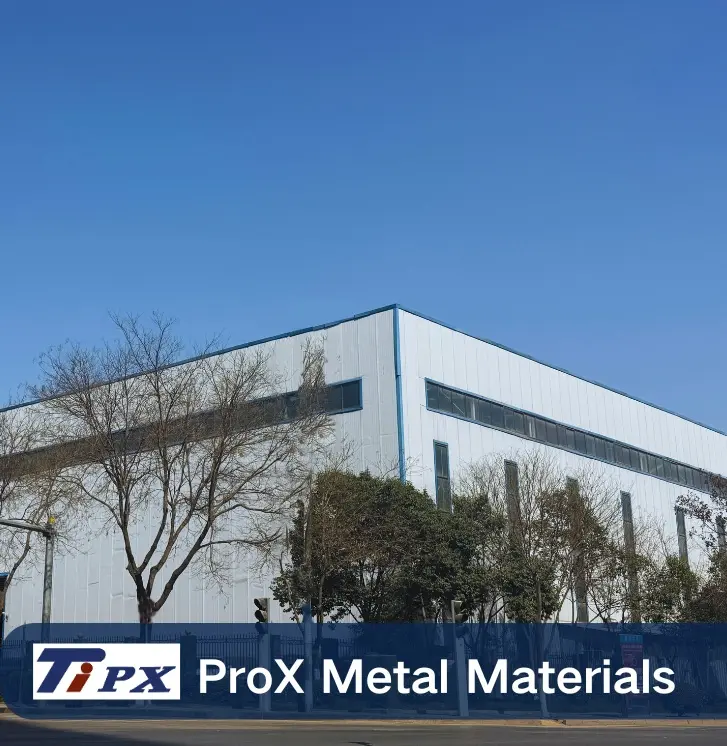

Our titanium tube production matches international regulatory codes to support seamless design integration by structural engineers. We fabricate in strict alignment with:
The Shielding Gas Challenge in Titanium Welding: Titanium has high reactivity with atmospheric gases (oxygen, nitrogen, hydrogen) at temperatures above 400°C. Our manufacturing facility employs advanced inert gas purging systems (99.999% pure argon) during the welding process. This guarantees that the weld fusion zone and heat-affected zone (HAZ) remain free from embrittlement, maintaining ductility identical to the parent metal.
Nondestructive Testing (NDT) Protocols: Every batch destined for high-pressure applications undergoes rigorous NDT testing including eddy current scanning, hydrostatic pressure verification, and ultrasonic mapping to ensure zero micro-porosity along the longitudinal weld seam.
Expert engineering answers to technical questions about industrial titanium installation, grades, and welding specifications.
Grade 2 is commercially pure titanium and provides excellent resistance to oxidation. However, in hot chloride solutions where micro-crevices exist, local acid build-up can break the oxide film. Grade 7 contains 0.12% to 0.25% Palladium (Pd), which acts as a stabilizer. This micro-alloying addition lowers the corrosion rate and prevents hydrogen absorption in acidic environments, outlasting Grade 2 under those specific conditions.
Seamless titanium pipes (ASTM B861) are chosen for extreme high-pressure services, cyclic loading, and cryogenic applications where weld-joint efficiency factors (E) cannot be compromised. Welded titanium pipes (ASTM B862) are more cost-effective for large diameters and long runs, and modern automatic plasma/TIG welding processes ensure weld seam integrity comparable to the parent metal.
Due to galvanic corrosion risks, direct contact between titanium and carbon steel in conductive environments should be avoided. Insulating gasket kits, non-conductive sleeves, or sacrificial anodes must be installed. For physical joints, titanium cannot be directly fusion-welded to steel because brittle intermetallic phases form. Instead, mechanical flanged connections or specialized transition joints must be utilized.
With an annual production capacity of 8,000 tons and a dedicated logistics network, we maintain a minimum of 10 tons of spot stock for high-demand sizes. We coordinate directly with major shipping lanes calling at the Port of Brisbane, offering streamlined customs documentation and transit paths to ensure reliable delivery times.
Explore our complete manufacturing capabilities, including high-strength alloys and specialized structural profiles.
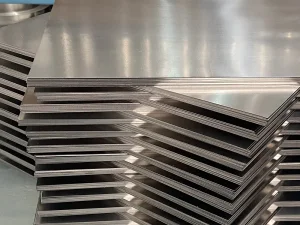
Cold-rolled and hot-rolled plates conforming to ASTM B265. Thickness ranges from 0.3mm to 100mm. Available in GR1, GR2, GR7, GR12, and Ti-6Al-4V GR5. Ideal for shell-and-tube heat exchanger tubesheets and process vessels.
High-strength round, square, and hexagonal bars manufactured under ASTM B348. Available with polished, lathe-machined, or black oxidized surfaces. Widely used for fasteners, structural components, and marine shafts.
Seamless and welded tubes under ASTM B338, B861, and B862. Diameter ranges from 0.5mm capillary tubes up to 200mm industrial process lines. Custom configurations are fabricated on demand.
Seeking technical advice on titanium grade selection, ASME compliance, or custom processing for your project in Brisbane?
Send Inquiry NowPremium supply lines for custom manufacturing, processing, and metallurgical applications across Brisbane.
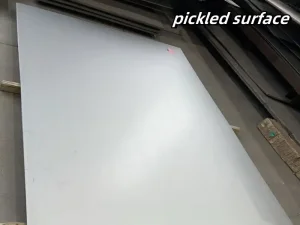
ASTM B265 grade high-temp alloy plates. Perfect for aerospace bracketry and high-stress marine brackets in Queensland.
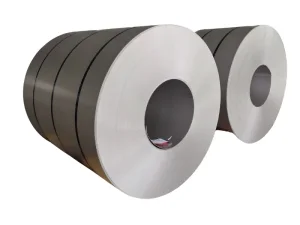
Continuous cold-rolled coils for high-volume stamping, stamping plates, and lining plates in Brisbane chemical storage depots.
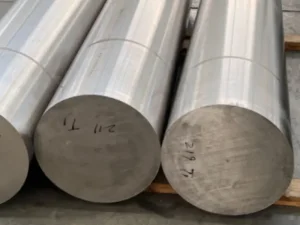
High-density forgings and structural raw ingots for local machinery forging facilities and defense supply chains.
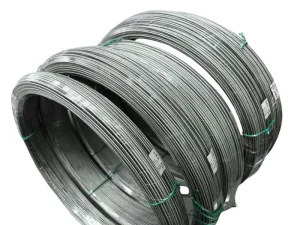
High-precision draw wire for spring manufacturing and electrochemical filter mesh weaving in water reclamation facilities.
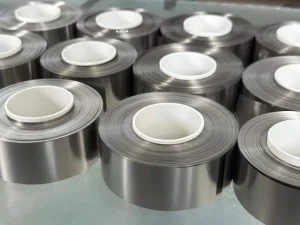
Thin-foil strips customized for hydrogen electrolyzer plates and chemical sensor diaphragms in research hubs.
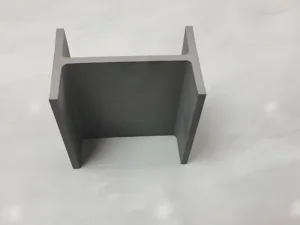
Structural hot-extruded structural sections for marine architectures and heavy load-bearing frames in corrosive zones.
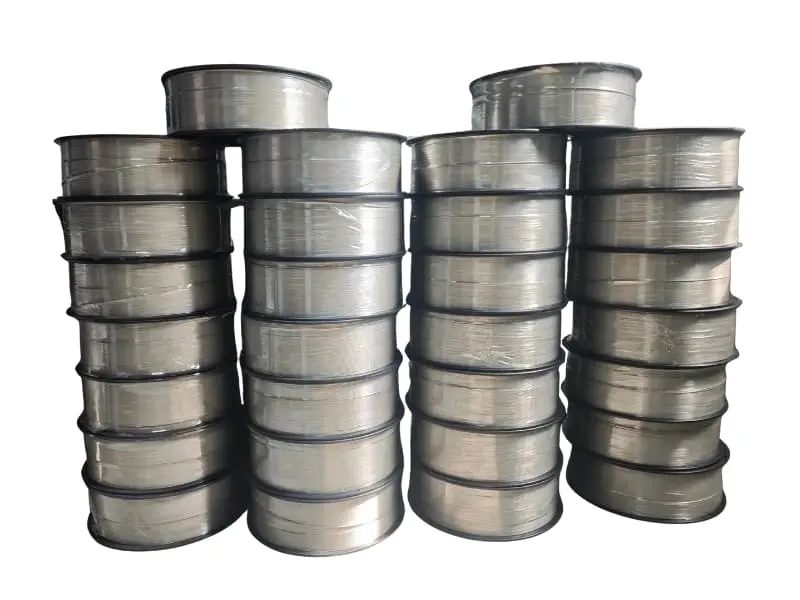
Certified welding filler wire to support high-integrity ASME-coded titanium structural welds. Ideal for local boiler operations.
High-strength Grade 5 alloy foil designed for aerospace sound attenuation blankets and high-pressure diaphragm systems.
 ProX Metal