Engineered to handle extreme high-pressure, corrosion-sensitive applications in offshore exploration and industrial infrastructures.
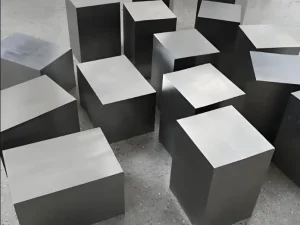
Equatorial Guinea is a focal hub of hydrocarbon production and deepwater energy operations in Sub-Saharan Africa. The country's offshore sector, concentrated particularly in the Zafiro oilfield, Alba gas field, and newer development initiatives near Bioko Island and the Rio Muni mainland basin, requires materials capable of surviving some of the most aggressive marine conditions on Earth. Oceanic environments in the Gulf of Guinea feature elevated ambient surface water temperatures, severe microbial activity, and high salinity levels. Consequently, industrial elements in these areas are susceptible to accelerated galvanic corrosion, localized crevice attacks, and pitting.
As energy operators and engineering contractors upgrade Floating Production Storage and Offloading (FPSO) vessels, subsea manifolds, heat exchangers, and coastal desalination infrastructure in Malabo and Bata, the selection of raw structural materials determines the lifespan of capital assets. Traditional high-alloy steels, while initially cost-effective, consistently fail prematurely under these demanding conditions. This has led to the adoption of titanium forgings and solid titanium blocks as standard engineering components for critical-path processing systems.
The corrosion-resistant capabilities of titanium stem from its thermodynamic affinity for oxygen. When exposed to moisture or air, titanium instantly forms a passive, continuous, oxide film (primarily TiO2). This micro-thin, self-healing barrier shields the underlying metal matrix from corrosive agents. This passive state is maintained even in high-velocity chloride solutions, making titanium virtually immune to seawater corrosion at temperatures up to 250°C.
| Titanium Grade | Common Designation | Tensile Strength (Min) | Yield Strength (Min) | Key Performance Properties |
|---|---|---|---|---|
| Grade 1 | Unalloyed Titanium (CP-Ti) | 240 MPa | 170 MPa | Highest ductility, excellent cold formability, ideal for plate heat exchangers. |
| Grade 2 | Standard Pure Titanium | 345 MPa | 275 MPa | Outstanding balance of strength and corrosion resistance; standard for general marine fabrication. |
| Grade 5 | Ti-6Al-4V (Alpha-Beta) | 895 MPa | 828 MPa | High strength-to-weight ratio; widely utilized for deepwater tooling, structural fasteners, and riser brackets. |
| Grade 7 | Ti-0.2Pd (CP Alloy) | 345 MPa | 275 MPa | Palladium-alloyed version; exhibits exceptional resistance to crevice corrosion in hot, highly acidic chloride fluids. |
| Grade 12 | Ti-0.3Mo-0.8Ni | 483 MPa | 345 MPa | Enhanced strength at elevated temperatures; provides cost-effective crevice corrosion resistance in hot chlorides. |
Our titanium blocks and forgings are engineered for specific, demanding applications across various subsectors:
Deepwater hydrocarbon processing requires cooling and condensation systems that use raw seawater as the primary coolant. Plate and frame heat exchangers fabricated using titanium sheets or machined blocks resist biological fouling and crevice attacks. This eliminates the risk of cross-contamination between high-pressure gas streams and the marine environment.
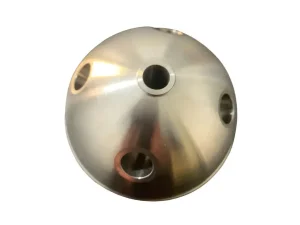
In deepwater fields, subsea manifolds, valves, and flowline connectors operate under high hydrostatic pressures and corrosive production fluids. Forged titanium blocks (ASTM B381) are used to manufacture valve bodies, chemical injection manifolds, and subsea control modules. This ensures structural integrity and reduces the need for expensive subsea maintenance interventions.
FPSOs serving the Alba field require periodic piping and structural upgrades. Weight reduction on the topside structure is critical for maintaining vessel stability. Replacing copper-nickel or duplex steel pipe spools and manifolds with high-strength titanium configurations provides up to a 50% reduction in weight. This reduces static loads on the deck while ensuring a service life that aligns with the vessel's operational lifespan.
We recognize the logistical challenges associated with shipping industrial materials to Central African ports, including the Port of Malabo and Luba Freeport. A single project delay due to missing documentation, substandard packing, or delayed freight clearance can impact production timelines. Our logistics division manages the entire supply chain, including routing, customs clearance documentation, and final delivery:
Every titanium forging, plate, and block undergoes rigorous testing prior to shipment. This includes Ultrasonic Testing (UT) to ASTM A388/B381 specifications, positive material identification (PMI), and mechanical property validation. Certified Material Test Reports (MTRs) are provided in accordance with EN 10204 3.1 or 3.2.
Our trade compliance team manages import protocols, ensuring alignment with CEMAC customs regulations, CEMAC Tariffs, and local documentation mandates. This reduces transit delays and prevents administrative bottlenecks at the Port of Bata or Luba Port.
Titanium products are packaged in custom-engineered, heat-treated wooden crates (ISPM 15 compliant) with anti-corrosive desiccant packs and protective vapor-phase corrosion inhibitor (VCI) wrapping. This protects the polished surfaces and tolerances of the materials during sea transit.
When evaluating material selection for offshore installations, relying solely on initial purchase cost (CAPEX) calculations can be misleading. While titanium has a higher initial cost compared to carbon steel or copper-nickel alloys, its long-term cost benefits are significant. Titanium requires zero corrosion allowance in marine environments, has zero maintenance cost over decades of continuous operation, and eliminates production shutdowns caused by material failures. This results in a lower overall Lifecycle Cost (LCC) and operational expenditure (OPEX) for operators in Equatorial Guinea.
Contact our engineering support team to discuss material grades, mechanical properties, and specialized logistics options.
Send Inquiry NowThe global titanium market is evolving from traditional subtractive manufacturing toward advanced processing technologies. We are integrating these techniques into our manufacturing processes to serve the Equatorial Guinea market:
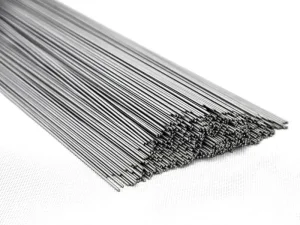
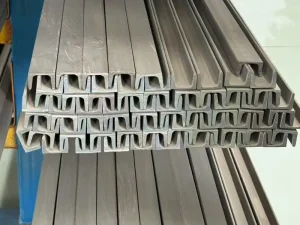
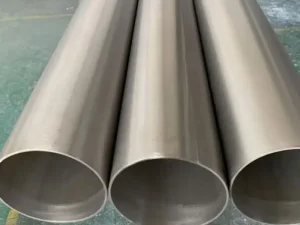
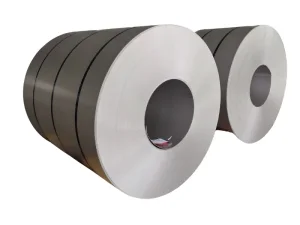
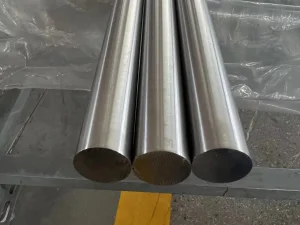
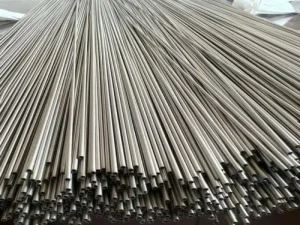
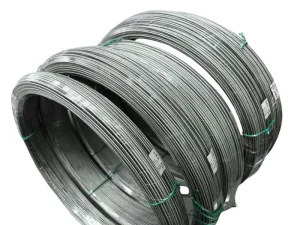
A comprehensive selection of raw titanium materials, wire, rods, plates, and machined parts for engineering contractors in Equatorial Guinea.


 ProX Metal