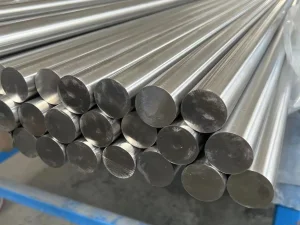
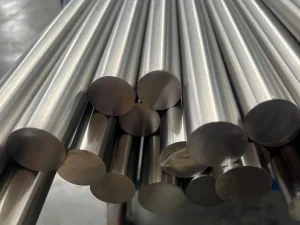
Immediate dispatch structural-grade titanium bars designed to endure extreme acidic leaching environments and intense thermal conditions typical of Central African mineral processing operations.
Titanium Alloys in Acid Hydrometallurgy and High-Load Deep Mining: Strategic Supply for Lualaba & Katanga Provinces
The Democratic Republic of Congo (DR Congo) holds more than 70% of the world's cobalt reserves and a major portion of high-grade copper reserves, concentrated heavily within the Central African Copperbelt spanning Lualaba and Katanga provinces. Extracting these critical minerals requires advanced chemical and mechanical separation technologies. High-Pressure Acid Leaching (HPAL) and hot agitation tanks are widely utilized to extract copper and cobalt from complex oxide and sulfide ores. However, this process involves massive volumes of concentrated sulfuric acid (H₂SO₄), hydrochloric acid (HCl), and high-pressure steam at temperatures often exceeding 200°C.
Under these hostile chemical conditions, traditional structural materials like carbon steel, standard stainless steels (even 316L), and high-nickel alloys suffer from catastrophic corrosion, pitting, and stress corrosion cracking (SCC). Equipment failures lead to costly down-time and safety hazards in mining plants near Kolwezi, Lubumbashi, and Likasi. This has created a critical demand for high-performance titanium bars, rods, and structural profiles. Titanium's ability to spontaneously form a tenacious, self-healing oxide passive film (TiO₂) makes it uniquely suited to handle hot sulfuric acid solutions containing ferric and cupric ions, which act as corrosion inhibitors for titanium, extending its operational lifespan to several decades.
Not all titanium rods are equal. Different operating environments in DR Congo hydrometallurgy facilities demand specific chemical composition and mechanical characteristics. For structural components, agitator shafts, fasteners, and fluid distribution pipelines, engineers must match the material's grade with the specific corrosive media and load characteristics:
Logistical reliability is as critical as metallurgical quality when supplying industrial materials to the landlocked mining areas of the DR Congo. Shipping heavy titanium bars, custom-forged blocks, and heavy-walled titanium pipes to sites like Kolwezi or Lubumbashi demands experienced coordination. Our logistics department utilizes established trade corridors, including sea freight arrivals through the Port of Dar es Salaam (Tanzania) or the Port of Durban (South Africa), followed by secure road transport along the southern corridor through Zambia to the Kasumbalesa border post.
To secure customs clearance and minimize delays, we provide a complete documentation package for every shipment, including Mill Test Certificates (MTC) conforming to EN 10204 3.1, raw material origin certificates, packing lists, and SGS or TÜV third-party inspection reports. We work closely with international engineering, procurement, and construction management (EPCM) firms that manage mineral processing expansions in Central Africa, ensuring our titanium products arrive in compliance with ASTM B348, ASTM B265, and ASME standards.
ProX Metal operates a production infrastructure utilizing modern smelting, forging, and machining technologies. Our vacuum arc remelting (VAR) furnaces ensure titanium ingots are free of inclusions and gas contamination, which is critical for maintaining consistent mechanical properties in high-stress applications. With over 100 sets of advanced processing machinery, our production line integrates automated ultrasonic testing, eddy current inspection, and coordinate measuring machines (CMM) to verify physical tolerances down to the micron level.
By controlling the entire production chain—from raw sponge titanium consolidation to final machining—we offer significant cost efficiency and supply chain resilience for international mining groups. This is particularly valuable during times of global raw material volatility, guaranteeing a stable supply of high-grade titanium materials to DR Congo’s copper and cobalt operations.
Explore the chemical and dimensional boundaries of our structural and fluid titanium solutions.
Grades: GR1, GR2, GR7, GR12
Standards: ASTM B265
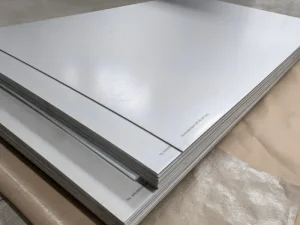
Thickness: 0.3mm to 100mm
Surface: Cold rolled bright, pickled, sandblasted
Grades: Ti6Al4V (GR5), GR23, Ti-5Al-2.5Sn
Standards: ASTM B265
Dimensions: Width up to 3000mm, custom lengths
Condition: Annealed (Vacuum Treated)
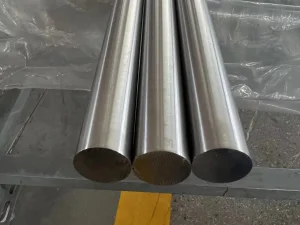
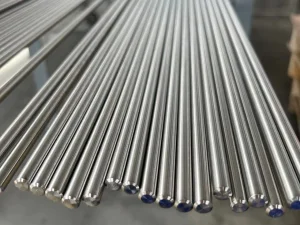
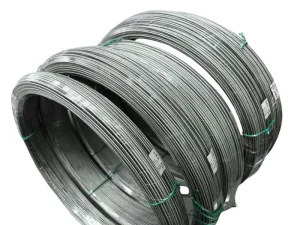
Grades: GR1, GR2, GR5, GR7, GR9, GR12
Standards: ASTM B348
Diameter: Φ5mm to 300mm
Finished: Polished, lathe-machined, black oxidized
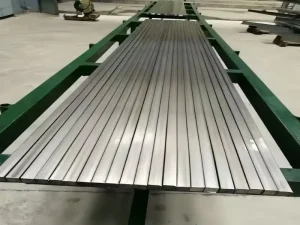
Grades: GR2, GR5 (Ti-6Al-4V)
Specifications: Hex H2.5 - H14, Square H6 - H18
Applications: High-strength bolts, dowels, structural shafts
Grades: GR1, GR2, GR5, GR7, GR12
Standards: ASTM B338, ASTM B861
Dimensions: Φ3mm to 110mm, custom walls
Grades: GR1, GR2, GR9 (Ti-3Al-2.5V)
Standards: ASTM B862, ASTM B861
Sizes: Capillary Φ0.5-6mm, Welded up to Φ200mm
Providing corrosion resistance and mechanical strength where traditional alloys fail.
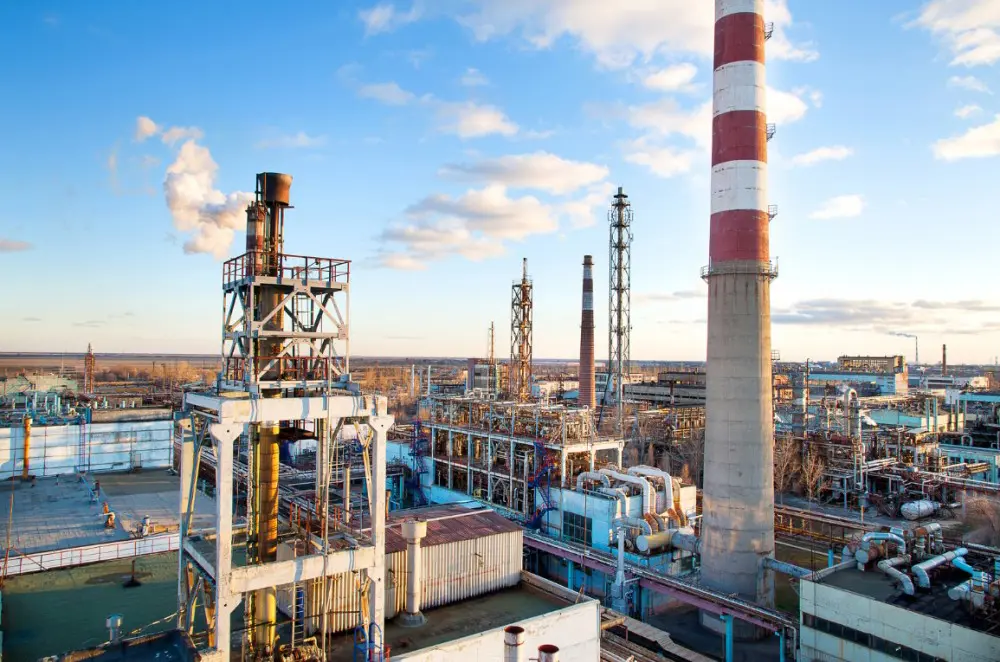
Critical components for copper-cobalt leaching systems, autoclaves, and sulfuric acid recovery plants in Kolwezi.
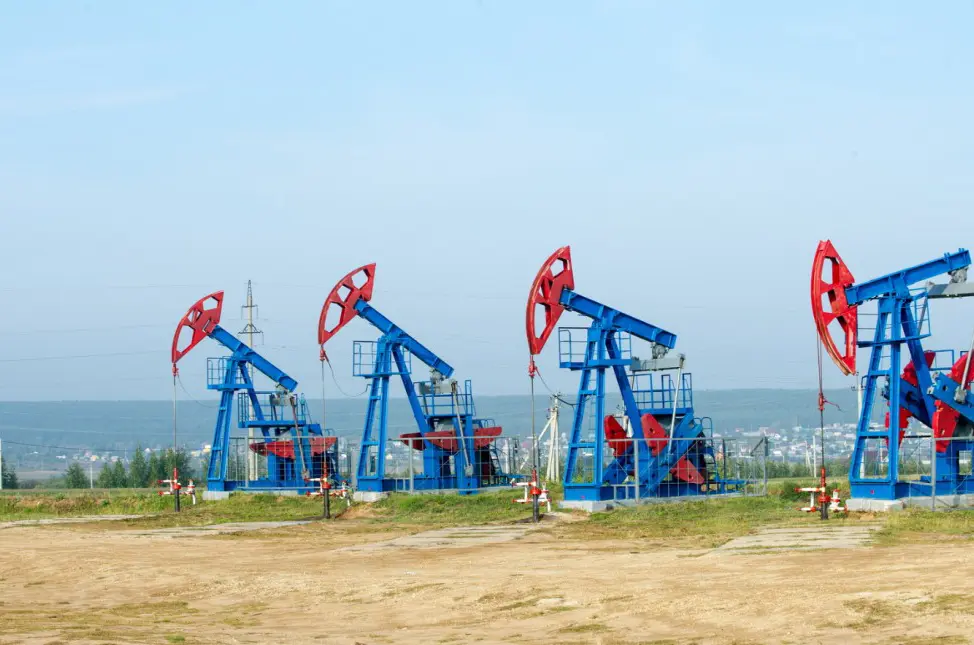
High-strength titanium components for deep-water exploration, offshore rigs, and corrosive refining systems.

Corrosion resistance in seawater environments, ideal for marine propulsion shafts, sonar domes, and valves.
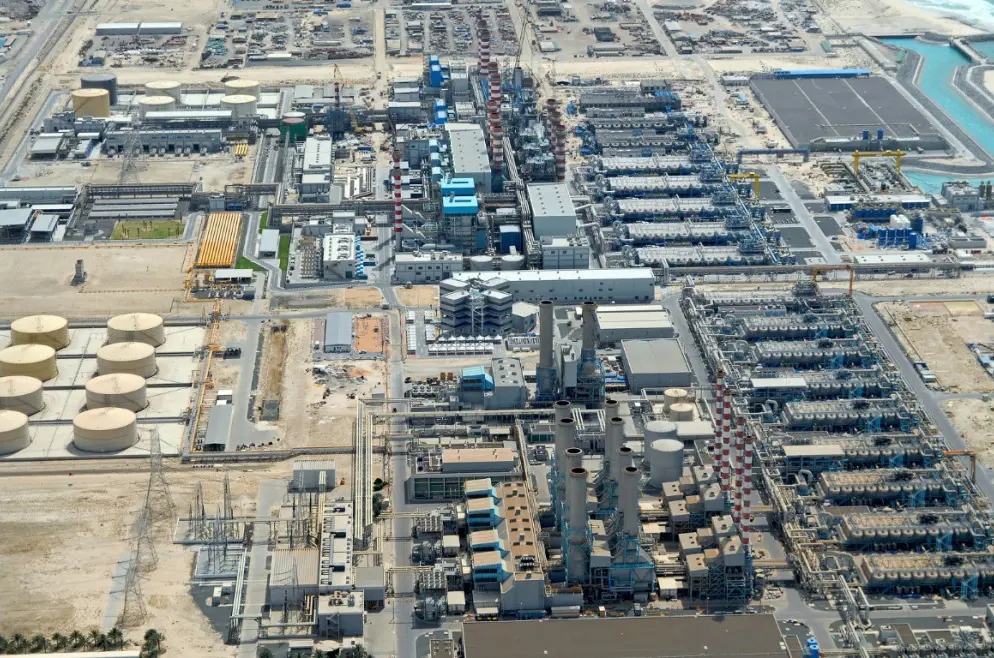
Improving efficiency and extending the service life of thermal and membrane desalination systems globally.
Expert answers to common engineering questions regarding the implementation of titanium bars and rods in African mining projects.
Titanium Grade 7 incorporates 0.12% to 0.25% palladium. This minor addition shifts the open-circuit corrosion potential of the alloy in the noble direction, promoting stable passivation in highly corrosive reducing acids like warm sulfuric or hydrochloric systems. In environments where the pH drops below 1.0, Grade 7 can exhibit a corrosion rate up to 100 times lower than Grade 2, preventing catastrophic equipment failure.
Titanium Grade 5 (Ti-6Al-4V) is an alpha-beta heat-treatable alloy. Solutions treating and aging (STA) can increase its tensile strength up to 1100 MPa. For structural support elements in deep mines, maintaining structural integrity at high depth pressures is essential. Thermal processing optimizes the alpha/beta phase ratio, ensuring an ideal balance between high yield strength, impact toughness, and fatigue resistance.
All titanium bar and plate shipments to DR Congo include Mill Test Certificates (MTC) conforming to EN 10204 3.1. These detail the chemical analysis (including trace hydrogen, nitrogen, and oxygen levels) and mechanical properties (tensile strength, yield strength, elongation). We also offer ultrasonic testing reports (ASTM A388 or AMS 2631) to verify internal integrity and ensure the absence of structural defects.
Localized pitting or crevice corrosion typically occurs in chloride-rich environments at elevated temperatures (above 70°C) when the pH is highly acidic and access to oxygen is restricted. By specifying Grade 12 or Grade 7 alloys, which contain molybdenum-nickel or palladium additions, the threshold temperature for crevice corrosion is raised significantly, ensuring long-term resistance.
Verified testimonials from engineering companies and materials distributors working in challenging environments.
They provided a prompt update on arranging the shipment. We are very grateful that they were able to solve the problem quickly after sales, and we are confident that we will continue our collaboration for a long time.
We've been working with this supplier for 10 years, and we can't speak highly enough of them. The quality of their titanium sheets and strips is always consistent, and they always meet our production needs.
Their logistics are super fast, so they can deliver on time even for big orders. This helps us avoid production delays, which is a huge help for our processing plant operations.
Their comprehensive inventory meets our diverse material grade requirements, making them highly accommodating for distributors like us. They provide an efficient and patient service for sample orders.
Technical updates and engineering guides on the application of titanium materials in industrial processing.
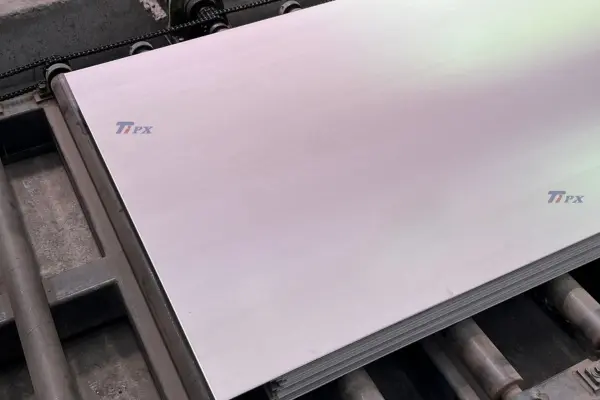
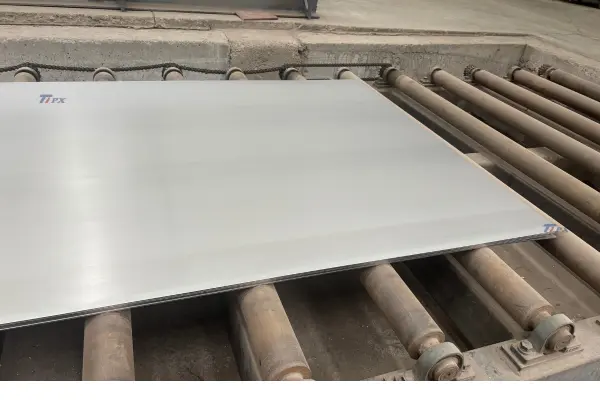
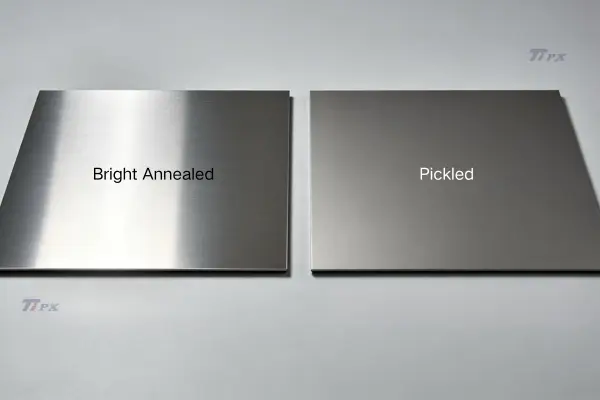
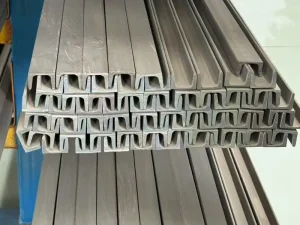
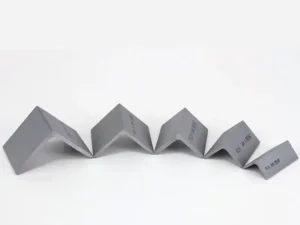
Complete structural and fluid engineering options for mineral processing plants, autoclaves, and heavy structural applications.
Get in touch with our engineering team for detailed material specifications, weight calculations, custom structural component fabrication options, and comprehensive logistics support into the Democratic Republic of Congo.
Send Inquiry Now ProX Metal