Wholesale Titanium Block Properties: Manufacturer & Suppliers

Deep Metallurgical Insights, High-Performance Specifications, and Global Industrial Supply Chains for Engineering Excellence
Featured Titanium Components & Semi-Finished Products (Group A)
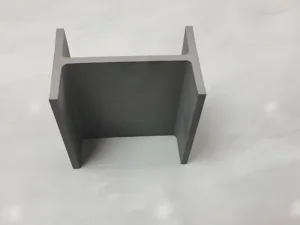
China Titanium and Titanium Alloy H-Shaped Profiles

China Titanium & Titanium Alloy H-Shaped Profiles

View Details
Wholesale Titanium Forgings For Industrial Applications

Wholesale Titanium Forgings for Industrial Applications

View Details
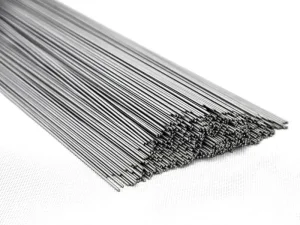
Custom Titanium straight wire

Custom Titanium Straight Wire & Consumables

View Details
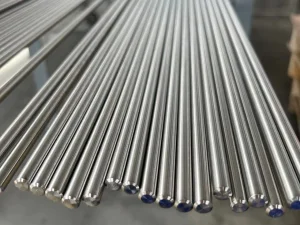
Custom Acid-resistant pure titanium rods GR1 GR2 GR3 GR4

Acid-Resistant Pure Titanium Rods (GR1, GR2, GR3, GR4)

View Details
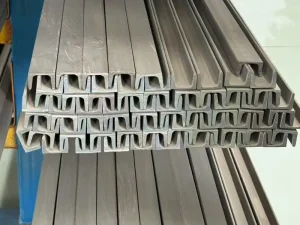
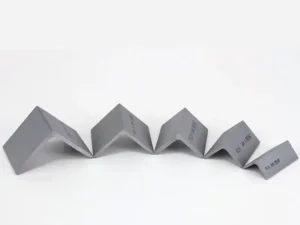
Wholesale Titanium and titanium alloy U profiles

Wholesale Titanium and Titanium Alloy U Profiles

View Details
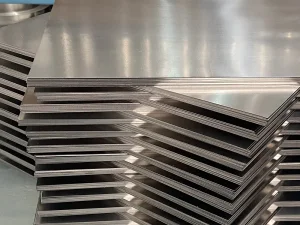
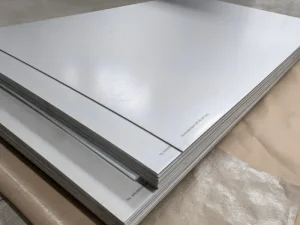
Wholesale GR1 GR2 Titanium Plate Sheet ASTM B265

Wholesale GR1, GR2 Titanium Plate Sheet ASTM B265

View Details
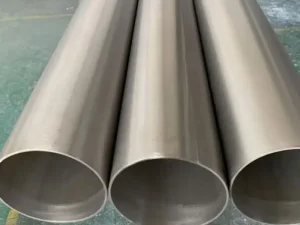
China Pure titanium and alloy titanium welded tubes

Pure & Alloy Titanium Welded Tubes Manufacturer

View Details
Custom Premium Gr2 Gr5 Gr7 Titanium Products

Custom Premium Gr2/Gr5/Gr7 Engineered Titanium

View Details

Understanding Titanium Block Properties: A Metallurgical Blueprint

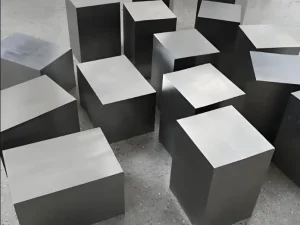
Titanium blocks represent the pinnacle of structural raw materials used in challenging industrial fields. Characterized by their exceptional strength-to-weight ratio, superb resistance to corrosive environments, and deep structural integrity, these heavy-section forgings serve as critical starting materials for precision machining and complex tooling. When analyzing titanium block properties, engineers must look beyond simple density metrics to examine the microstructural phases (alpha, beta, or duplex alpha-beta structures) that govern the physical performance under dynamic stress, elevated temperatures, and chemical degradation.

At the mechanical level, titanium's crystal structure undergoes an allotropic transformation. At room temperature, pure titanium exhibits a hexagonal close-packed (HCP) alpha phase ($\alpha$). When heated above approximately 882°C (1620°F), it shifts to a body-centered cubic (BCC) beta phase ($\beta$). Sourcing wholesale titanium blocks requires precise coordination with manufacturers to verify that thermo-mechanical processing (TMP) has yielded the exact phase distribution required. For instance, the inclusion of alpha stabilizers (like Aluminum) or beta stabilizers (like Vanadium, Molybdenum, or Iron) allows suppliers to customize the ultimate tensile strength, fracture toughness, and fatigue limits of the finished blocks.

Property Category Commercially Pure (CP) Grades (e.g., Gr1, Gr2) Alpha-Beta Alloys (e.g., Gr5 / Ti-6Al-4V) Corrosion-Resistant Alloys (e.g., Gr7, Gr12)
Density (g/cm³) 4.51 4.43 4.51 (Gr7) / 4.48 (Gr12)
Tensile Strength (MPa) 240 - 480 895 - 1000+ 345 (Gr7) / 480 (Gr12)
Yield Strength (0.2% Offset, MPa) 170 - 345 828 - 910 275 (Gr7) / 345 (Gr12)
Elongation at Break (%) 20 - 30 10 - 15 20 (Gr7) / 18 (Gr12)
Corrosion Profile Excellent in oxidizing media Good in general industrial use Superior in reducing/crevice acid conditions

For large-scale structural assemblies, anisotropy is a critical factor in heavy-section titanium forgings. Large blocks can exhibit varying properties depending on grain orientation from forging operations. Reputable suppliers implement multi-directional forging (MDF) to homogenize grain structure, improve ultrasonic test (UT) transparency, and ensure isotropic properties across the X, Y, and Z axes. This careful control ensures that when you purchase wholesale titanium blocks, the properties remain consistent throughout the center of the block, preventing sub-surface failures during intensive milling operations.

Industrial Status, Trends, and Localized Sourcing Dynamics

The global demand for high-integrity titanium blocks is rising, driven by modern aerospace platforms, deep-water oil exploration, and heavy chemical processing plants. As manufacturing processes shift toward near-net-shape manufacturing and high-speed CNC milling, raw block stock has become a primary supply category. Historically concentrated in specialized military aviation chains, titanium has transitioned into global civilian industrial markets due to increased sponge output and refined melting capabilities (such as Vacuum Arc Remelting - VAR and Electron Beam Cold Hearth Melting - EBCHM).

Modern industrial trends emphasize sustainable production and trace manufacturing. Global regulations require verified material origin and conformance to standards like ASTM B348, ASTM B381 (for forgings), and AMS 4928. Geopolitically, buyers are seeking supply chains that offer both cost efficiency and strict compliance. This is where certified manufacturers bridge the gap, providing verified raw material sourcing, certified chemical composition analysis, and comprehensive non-destructive testing (NDT).

Key Drivers in Today's Titanium Market

  • Deepwater E&P: Subsea valves and manifolds require massive Gr2 and Gr5 blocks to withstand hydrostatic pressures and corrosive seawater over decades.
  • Green Hydrogen Economy: Titanium blocks are increasingly machined into critical distribution plates and headers for proton exchange membrane (PEM) electrolyzers.
  • Aerospace Structural Forgings: Modern aircraft utilize single-piece bulkhead components machined directly from large titanium blocks to save assembly weight and reduce joint failure risks.

Processing Horizons: Advanced Metallurgy & Forging Routes

1. Vacuum Arc Remelting (VAR)

Ensures extreme chemical homogeneity by eliminating volatile impurities under high vacuum. Multiple remelting cycles (Double or Triple VAR) are standard for aerospace and medical applications to eliminate defect risks like High-Density Inclusions (HDI).

2. Multi-Directional Forging

By refining the grain size down to ASTM level 7 or finer, multi-directional hydraulic forging reduces microstructural texture. This ensures that yield strength, elongation, and fracture propagation resistance remain uniform across all spatial directions.

3. Certified NDT Validation

Heavy blocks are subjected to rigorous Ultrasonic Testing (UT) per ASTM A388 or AMS 2154. This identifies micro-voids, porosity, and internal thermal cracks before the material reaches the customer's machine shop, preventing tool damage and wasted labor.
Main Product Categories & Direct Factory Options

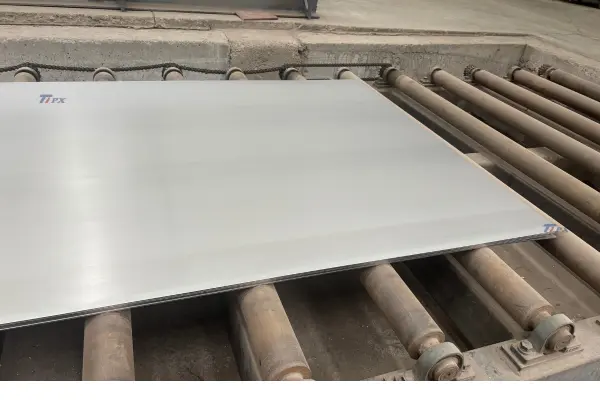
Titanium Sheet/Plate
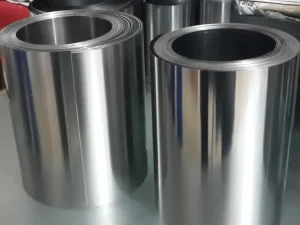
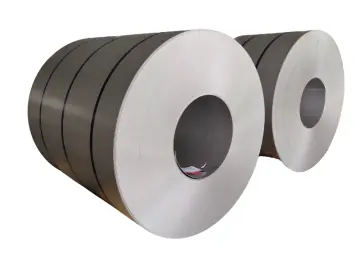
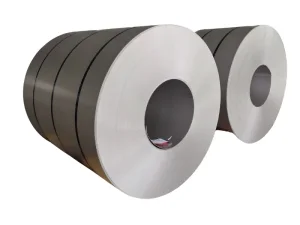
Titanium coil sheet

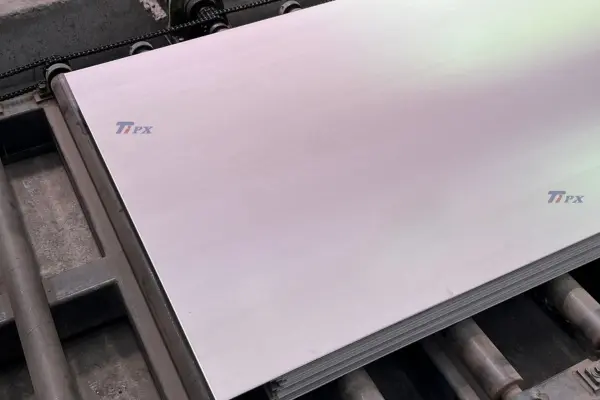
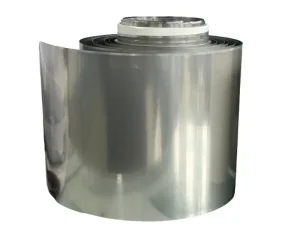
Titanium Coil Sheet GR1 GR2

  • Grade: GR1, GR2
  • Standards: ASTM B265
  • Specs: δ(0.3-12)mm * W500-2000mm * L
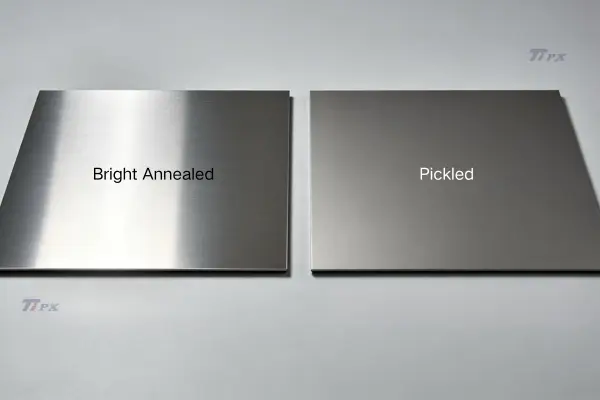
  • Surface: Bright, Pickled, Hot rolled, Black oxide
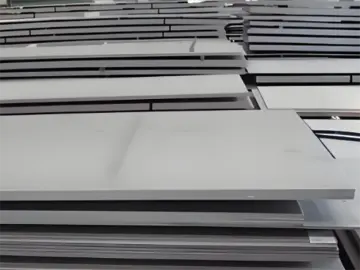
Titanium thick plate

Titanium & Alloy Thick Plate

  • Grade: GR1, GR2, GR7, GR12
  • Standards: ASTM B265
  • Specs: δ(12mm-75mm) * W(1500-2500mm) * L(1000-12000mm)
  • Customization: Fully customizable sizing options
Titanium Bar/Rods
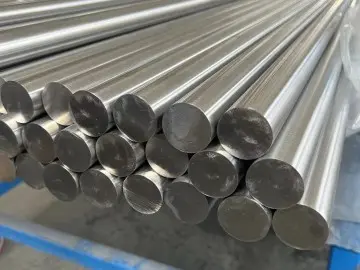
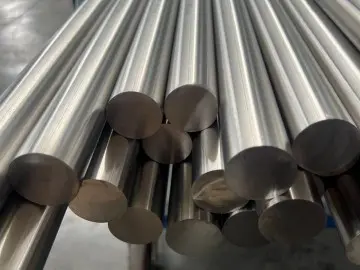
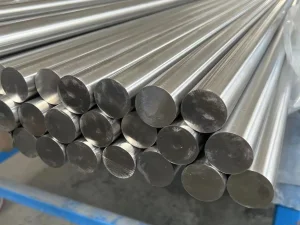
GR7 Titanium rod

GR7 Ti-0.2Pd Titanium Rods

  • Grade: Grade 7 (Ti-0.2Pd)
  • Standards: ASTM B348
  • Specs: Φ5-100mm * L2000-3000mm
  • Surface: Polished, Lathe Machined, Black oxidized
GR12 titanium bar

GR12 Corrosion-Resistant Bar

  • Grade: GR12 (Ti-0.3Mo-0.8Ni)
  • Standards: ASTM B348
  • Specs: Φ5-100mm * L2000-3000mm
  • Properties: Enhanced crevice corrosion protection
Titanium Tube/Pipe
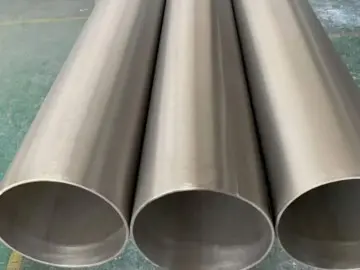
Titanium welded tubes

Pure & Alloy Welded Tubes

  • Grade: Gr.1, Gr.2, Gr.5, Gr.7, Gr.12
  • Standards: ASTM B862
  • Specs: Ф(6-200) * L(500-6000)mm
  • Surface: Polished, Pickled, Coated finishes
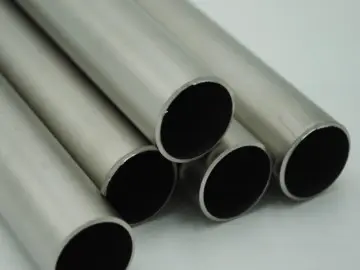
Seamless titanium tube

Seamless Titanium Tube/Pipe

  • Grade: Gr.1, Gr.2, Gr.5, Gr.7, Gr.12
  • Standards: ASTM B338, ASTM B861
  • Specs: Ф(3-110) * L(500-6000)mm
  • Process: Seamless cold drawing, vacuum annealed

Your Trusted Raw Titanium Material Partner

Founded in 2001, ProX Metal is a high-tech enterprise specializing in the development, production, and servicing of pure and alloy titanium materials. As a leading manufacturer of raw titanium materials, we focus on providing cost-effective, stable, high-end titanium materials applied in chemical, oil and gas, marine, and electronics fields. We are ISO 9001:2015 certified and hold 14 national patents.

ProX Metal possesses a complete titanium metal production chain, equipped with over 100 advanced machines, achieving an annual output of 8,000 tons of pure titanium and alloy materials. We offer comprehensive solutions spanning from standard products to customized offerings, committed to delivering the highest quality service to our customers worldwide.
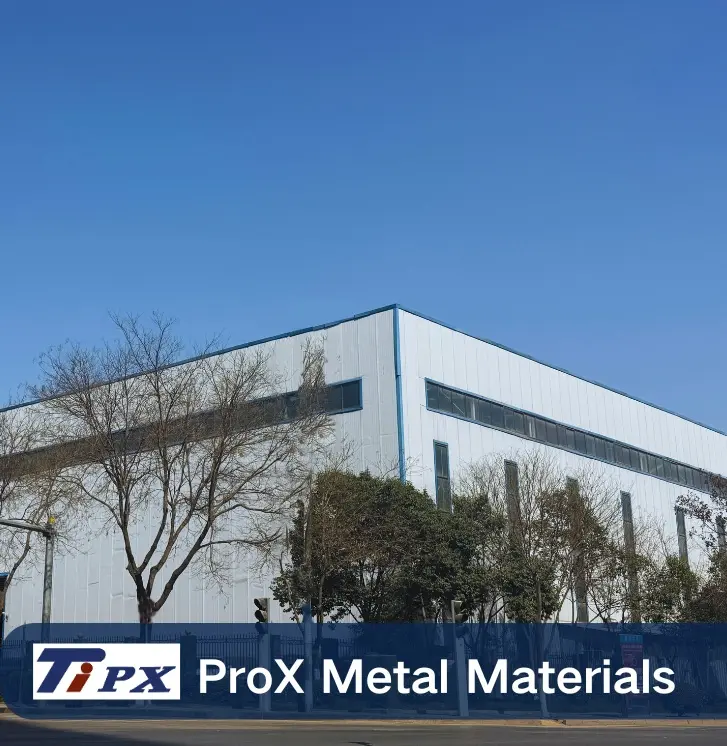
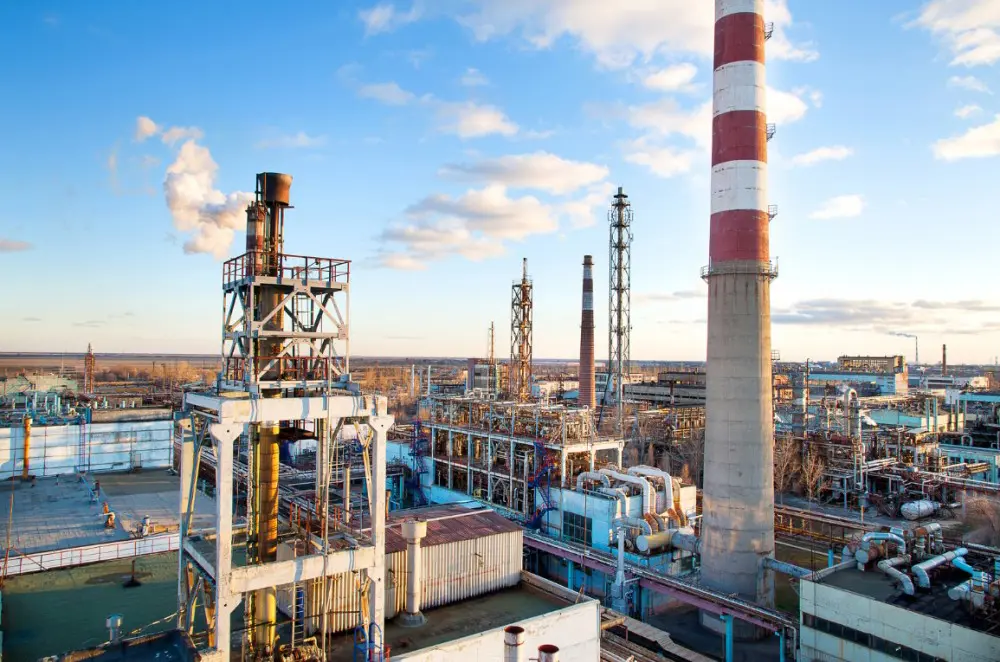
ProX Metal Production Plant ProX Metal Factory Overview
2001
Established (20+ Years Experience)
8,000
Tons Annual Output Capacity
10 Tons
Spot Stock for Rapid Delivery
15+ Yrs
Average R&D Team Experience

Key Sectors Relying on Premium Titanium Properties

Chemical Industry Titanium Application

Chemical Processing

Resists corrosive media such as chlor-alkali, hydrochloric acid, and sulfuric acid to prevent leakage and protect equipment.
Oil & Gas Industry Titanium Application

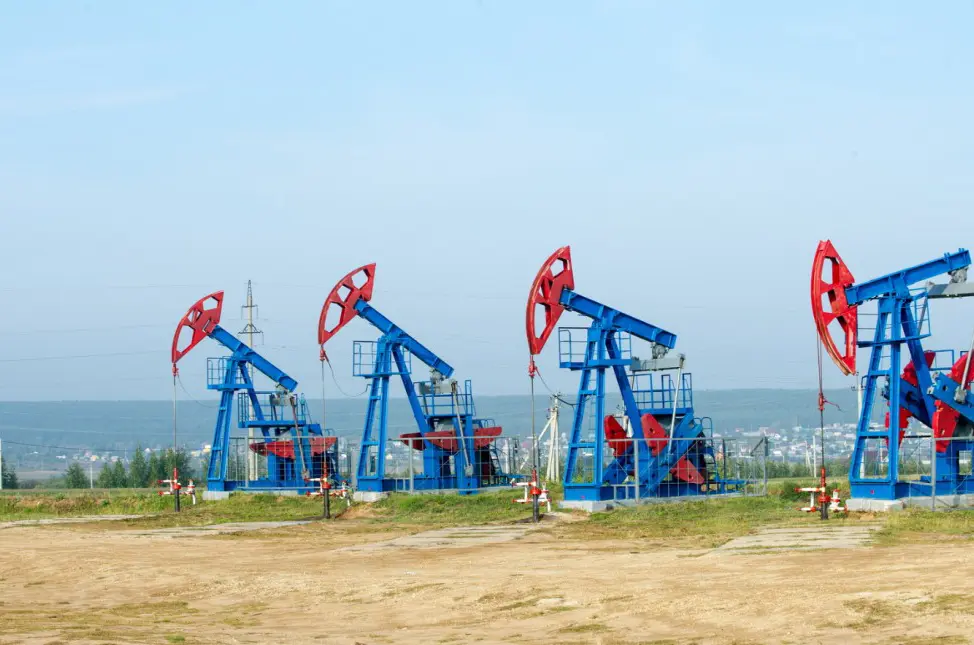
Oil & Gas E&P

Provides high-strength, low-density structural support for deepwater drilling, subsea risers, and onshore refineries.

Maritime Industry Titanium Application

Marine & Naval

Virtually immune to seawater corrosion, making it suitable for hulls, propeller shafts, submersibles, and marine valves.
Desalination Titanium Application

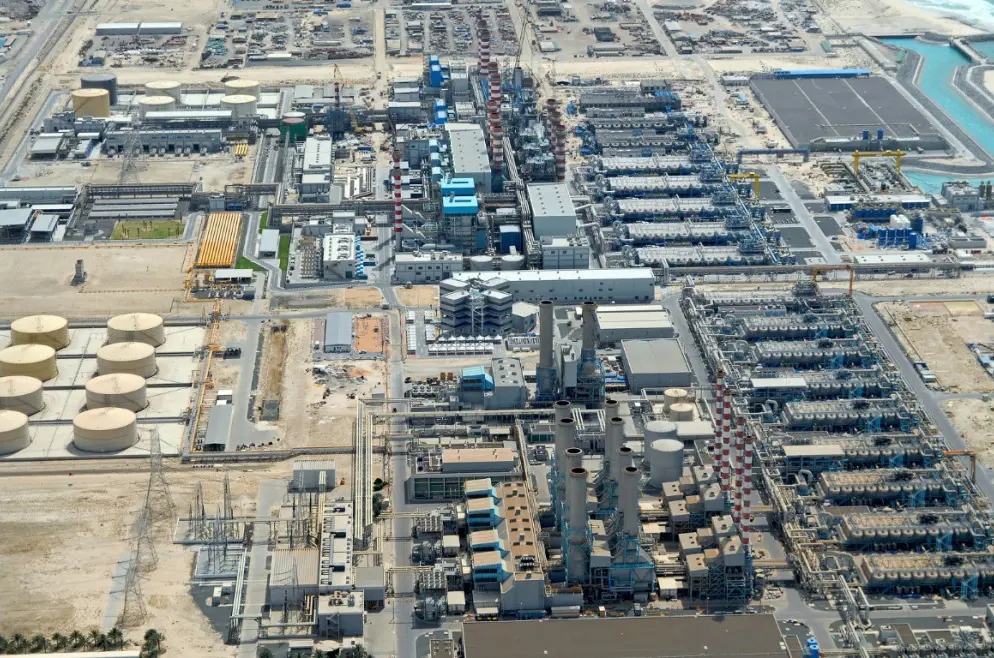
Desalination

Improves efficiency and extends the lifespan of heat exchangers in multi-stage flash (MSF) systems.

Industrial Sourcing & Engineering Q&A

Q: Why are Titanium blocks preferred over plates for heavy machining projects?
Titanium blocks undergo multi-directional forging, which creates an isotropic, fine-grain structure with uniform mechanical properties in all three dimensions. In contrast, thick plates rolled in a single direction can exhibit anisotropy, meaning their strength and ductility vary along the rolling axis. Thick forged blocks also permit deeper machining without releasing high residual internal stresses, minimizing component warping.
Q: How does chemical composition influence titanium block properties?
Trace element limits are strictly controlled by ASTM/AMS standards. Interstitial elements like oxygen ($O_2$), nitrogen ($N_2$), and iron ($Fe$) act as interstitial strengtheners in commercially pure titanium. Increasing oxygen content from Gr1 to Gr4 raises tensile strength but reduces ductility. In titanium alloys like Gr5 (Ti-6Al-4V), adding aluminum stabilizes the alpha phase to maintain strength at high temperatures, while vanadium stabilizes the beta phase to facilitate heat-treatment response.
Q: Which titanium grade should be selected for high-temperature and highly acidic environments?
For reducing acidic media (such as hydrochloric or sulfuric acid mixtures), palladium-alloyed titanium blocks (Grade 7) offer superior corrosion resistance. For high-temperature setups with moderate acidity, Grade 12 (Ti-0.3Mo-0.8Ni) provides a robust, cost-effective alternative to palladium alloys.
Q: What non-destructive testing (NDT) standards do you apply to wholesale titanium blocks?
We inspect raw forgings and blocks using Ultrasonic Testing (UT) to ASTM A388 or AMS 2154 specifications. This process identifies sub-surface defects, micro-porosity, and thermal cracking. We also perform Liquid Penetrant Testing (PT) to detect surface defects and issue Mill Test Certificates (MTC) to EN 10204 3.1 for full traceability.

Verified Client Feedback

Industrial Distributor (South Korea)

"They provided a prompt update on arranging the shipment. We are very grateful that they were able to solve the problem quickly after sales, and we are confident that we will continue our collaboration for a long time."

Aerospace Component Manufacturer (UK)

"We've been working with this supplier for 10 years, and we can't speak highly enough of them. The quality of their titanium sheets and strips is always consistent, and they always meet our production needs."

Maritime Equipment Engineer (Turkey)

"Their logistics are super fast, so they can deliver on time even for big orders. This helps us avoid production delays, which is a huge help."

Metal Processing Partner (Mexico)

"Their comprehensive inventory meets our diverse material grade requirements, making them highly accommodating for distributors like us. They provide an efficient and patient service for sample orders, and we look forward to expanding our collaboration with them in the future."
Latest Publications

Titanium sheets for chemical storage 2026-04-16

What makes titanium sheets ideal for chemical storage and piping applications?

Read Article →
Titanium sheets for chemical reactors 2026-04-16

What makes titanium sheets ideal for chemical reactor applications?

Read Article →
BA and Pickled Titanium Sheets Guide 2026-04-15

Choosing Between Bright Annealed (BA) and Pickled Titanium Sheets for Chemical Equipment – Extended Guide

Read Article →

Need Custom Titanium Blocks or Machined Parts?

Request a quote for your specific dimensions and grade requirements. Our technical team responds within 24 hours with certified analysis and pricing.

Send Engineering Inquiry
Featured Titanium Components & Semi-Finished Products (Group B)
China 0.005-0.10 Titanium foil

China 0.005-0.10 Titanium Foil Supplier & Service

View Details
Wholesale Industry applied titanium coil sheet GR1 GR2

Industrial Titanium Coil Sheet (GR1, GR2)

View Details
Custom Industrial Pure Titanium & Alloy Precision Machined Parts

Custom Precision Machined Pure & Alloy Titanium Parts

View Details
Wholesale Lightweight Corrosion-resistant Alloy Titanium Foil GR7 GR12

Lightweight Corrosion-Resistant Alloy Foil (GR7, GR12)

View Details
China GR7 Ti-0.2Pd Titanium rods

China GR7 Ti-0.2Pd Titanium Rods & Billets

View Details
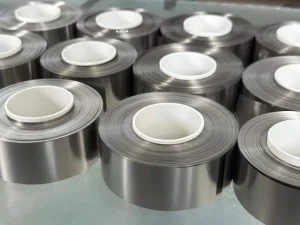
Custom Widths GR1 GR2 Corrosion Resistant Titanium Foil Strips

Custom Widths GR1, GR2 Corrosion Resistant Foil Strips

View Details
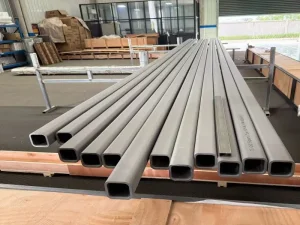
Custom Titanium rectangular tube Titanium square tube

Custom Rectangular & Square Structural Tubes

View Details
Wholesale Ti64 GR5 Alloy Titanium Foil

Wholesale Ti64 (GR5) Alloy Foil Factory & Service

View Details