Explore our high-performance line of titanium plates, bars, foils, and specialized profiles optimized for extreme seawater exposures.
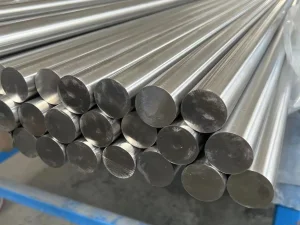
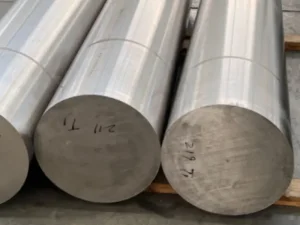
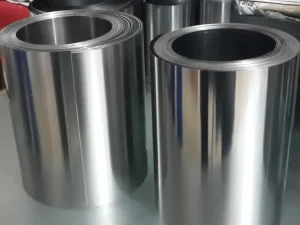
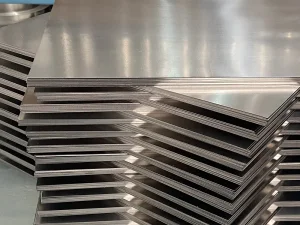
A comprehensive engineering breakdown of titanium alloys in subsea, desalination, and petrochemical ocean deployments.
Ocean water is a highly aggressive chemical electrolyte with high concentrations of dissolved chloride ions, mineral salts, and oxygen. Traditional structural metals like carbon steels, copper-nickel alloys, and even premium stainless steels face critical degradation risks from pitting, galvanic reaction, crevice corrosion, and microbiologically influenced corrosion (MIC) when deployed in tidal, splash, or submerged conditions. Marine-grade titanium alloys stand out due to the immediate, spontaneous creation of a microscopic, highly stable, and continuous titanium dioxide (TiO2) passive film on the metal's outer surface. This passive layer is self-repairing; any mechanical scrape or wear in the presence of trace oxygen or moisture immediately regenerates the barrier, shielding the underlying substrate from ion migration and galvanic breakdown.
For chemical and pressure vessel systems operating in temperatures above 150°C, custom formulations such as Grade 7 (Ti-0.2Pd) and Grade 12 (Ti-0.3Mo-0.8Ni) are specified. The inclusion of palladium and nickel-molybdenum dramatically shifts the cathodic activity properties of the metal, lowering its vulnerability to severe localized crevice corrosion in tightly confined mechanical joints where stagnant seawater concentrations of chlorine compounds accumulate.
Standard marine-grade titanium exhibits a corrosion rate of less than 0.001 mm per year in ocean currents, even at depths exceeding 3,000 meters. The absolute refusal of titanium to react with hydrogen sulfide (H2S) or carbon dioxide (CO2) makes it a critical material for subsea oil and gas completions, where sour crude mixtures quickly degrade standard chrome-moly tubing.
Engineers design components utilizing different titanium grades based on the specific balance of tensile strength, ductility, and specialized corrosion resistance required for their custom applications:
Procurement teams sourcing titanium rods and plates for marine mega-projects must enforce rigid quality verification processes. Since trace amounts of oxygen and nitrogen drastically modify the mechanical properties of raw titanium, precise chemical testing must be confirmed. Material Test Certificates (MTC) matching EN 10204 3.1 must document chemical compositions (limits on carbon, nitrogen, hydrogen, iron, and oxygen fractions) and tensile/yield properties.
Non-Destructive Testing (NDT) such as Ultrasonic Testing (UT) in accordance with ASTM A388 or ASTM E2375 is standard practice to inspect internal microstructural integrity, confirming the complete absence of internal voids, porosity, or cracking resulting from raw casting or heavy hot-working processes.
Comprehensive specifications for titanium plates, bars, and tubing assemblies produced under strict ASTM/ASME standards.
Maritime structures, pressure pipelines, and deep-sea vessels must satisfy stringent regulatory approvals. Our manufacturing operations strictly interface with international verification associations including DNV GL, ABS (American Bureau of Shipping), Lloyd's Register, and Bureau Veritas. We offer fully documented material compliance packages, verifying adherence to standard codes such as ASME Section VIII Division 1 for pressure vessel constructions, ASTM B348, and ASTM B265.
Our localized support division ensures that global logistics, custom clearance, and material classification document packages are prepared specifically for each importing port. Whether shipping under European CE directives or compliance codes for Middle Eastern desalination projects, we guarantee that all mechanical properties, chemical analysis, and destructive testing data conform precisely with destination market laws.
Our titanium manufacturing hubs in China leverage mature industrial clustering, leading to major cost efficiencies. By controlling the complete processing chain—from premium domestic titanium sponge smelting to double and triple Vacuum Arc Remelting (VAR), ingot forging, rolling, extrusion, and final precision CNC machining—we bypass third-party markups and maintain complete quality control.
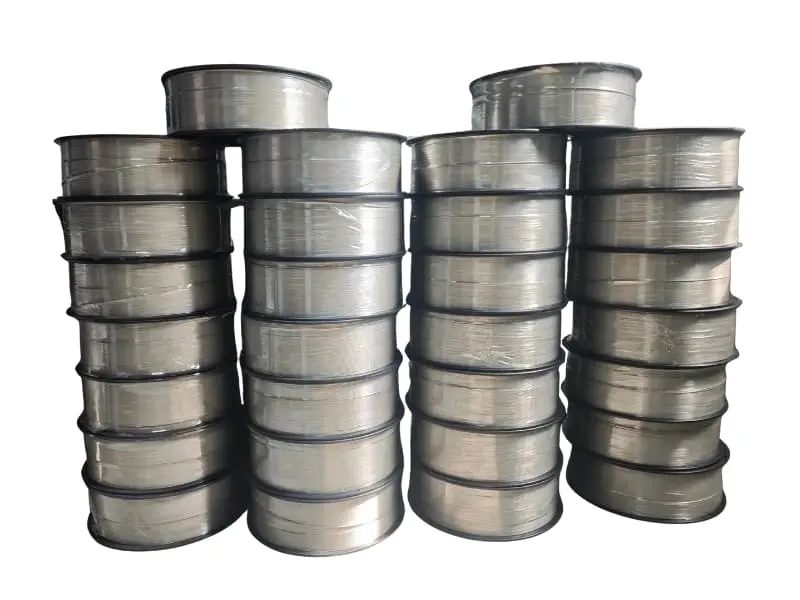
This vertical integration ensures short manufacturing times. With over 100 sets of advanced processing machines, including high-tonnage hydraulic forging presses, high-speed wire rolling lines, and automated ultrasonic inspection testing rigs, we consistently scale output to support bulk orders, ensuring timely delivery for global contractors.
By leveraging regional logistics networks, dedicated shipping channels, and abundant raw sponge inputs, our factory provides a cost advantage of 25% to 35% compared to Western alloy mills, while simultaneously delivering identical metallurgical compositions and certified mechanical properties.
As the global ocean economy shifts toward subsea electrification and green energy, titanium's role is rapidly expanding. For example, deep-sea floating wind platforms require high-fatigue-strength titanium connectors to withstand harsh, cyclic wave action in splash-zone environments. Similarly, ocean hydrogen generation systems utilize titanium mesh electrodes and plates to survive highly corrosive saltwater electrolysis.
Additionally, ocean mineral extraction systems and Autonomous Underwater Vehicles (AUVs) rely heavily on titanium pressure housings to survive severe hydrostatic pressures at depths below 5,000 meters. These components must remain maintenance-free for decades, making titanium the only viable engineering choice.
A premier high-tech enterprise specializing in the development, metallurgy, and global supply of pure and alloy titanium materials.
Founded in 2001, ProX Metal is a high-tech enterprise specializing in the development, production, and servicing of pure and alloy titanium materials. As a leading manufacturer of raw titanium materials, we focus on providing cost-effective, stable, high-end titanium materials applied in chemical, oil and gas, marine, and electronics fields. We are ISO 9001:2015 certified and hold 14 national patents.
ProX Metal possesses a complete titanium metal production chain, equipped with over 100 advanced machines, achieving an annual output of 8,000 tons of pure titanium and alloy materials. We offer comprehensive solutions spanning from standard products to customized offerings, committed to delivering the highest quality service to our customers.
Our engineering titanium products are selected for critical installations globally, operating reliably in the most aggressive media.
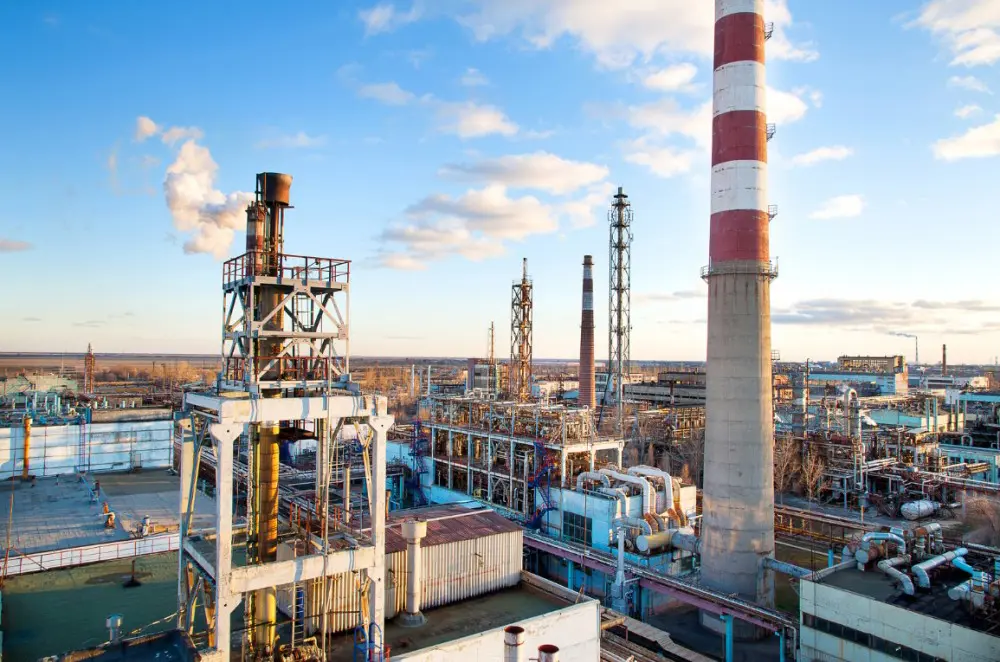
Widely used against highly corrosive media such as chlor-alkali and sulphuric acid, ensuring safe operation and preventing leakage.
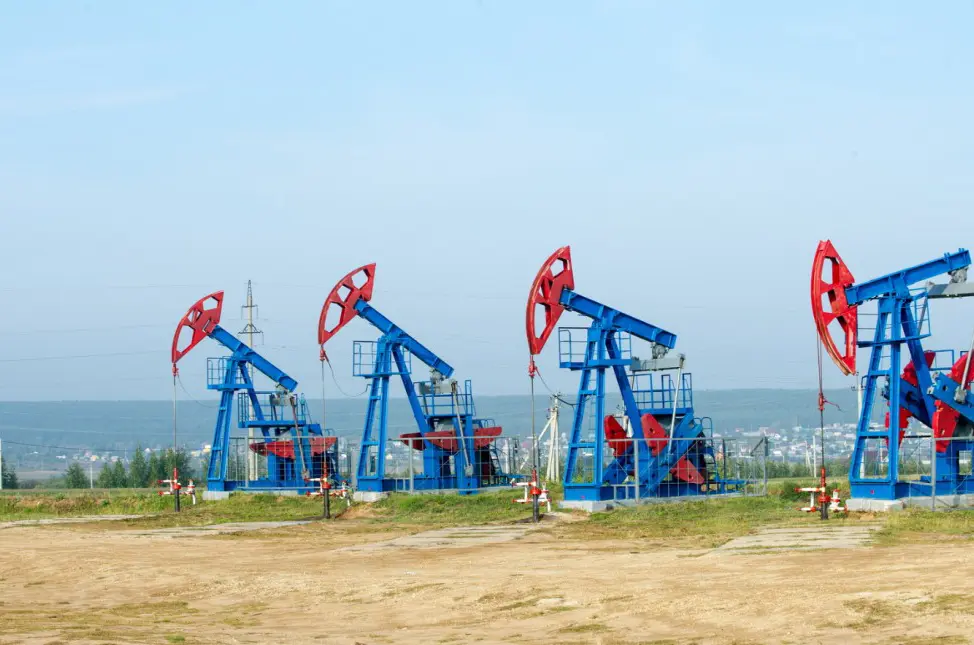
Supplying high-strength, corrosion-resistant titanium rods and tubes for subsea exploration, production manifolds, and refining units.
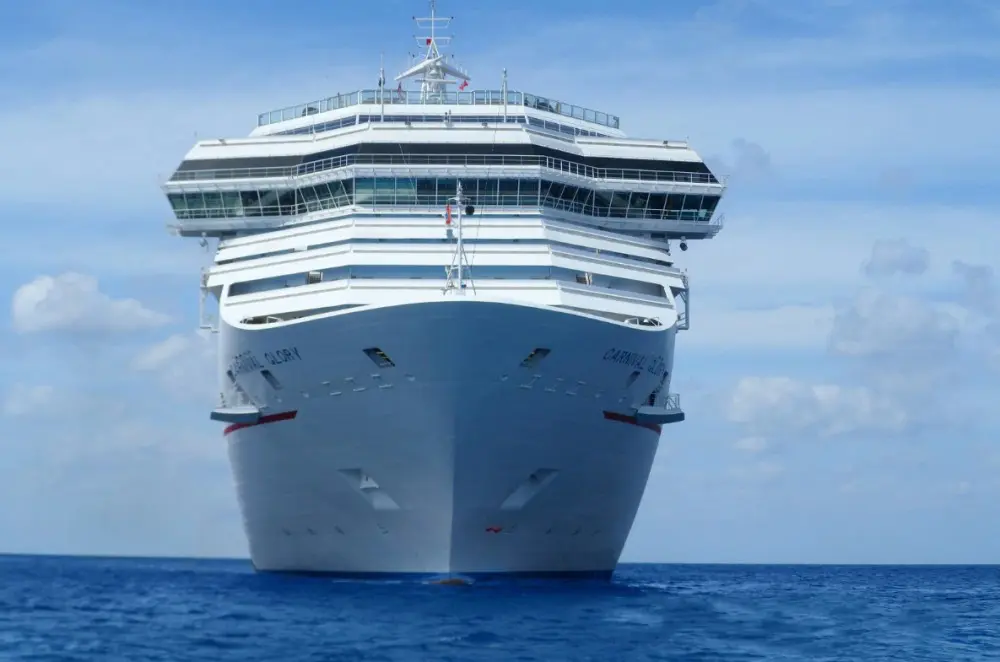
Unmatched corrosion resistance in seawater and brackish environments makes titanium the material of choice for marine hulls and components.
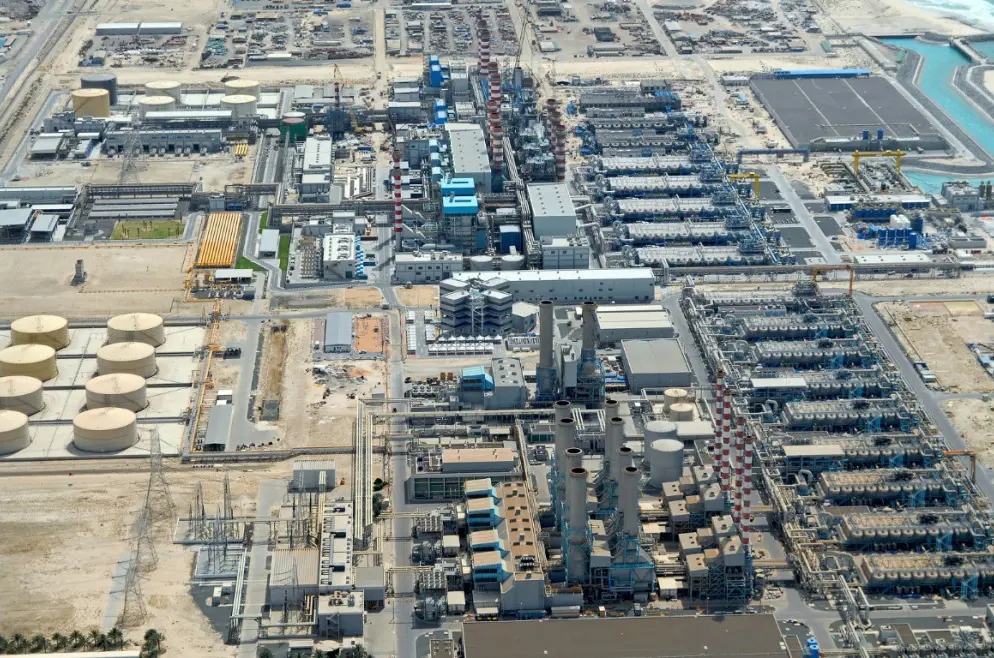
Improves thermal efficiency and extends equipment life in heat exchangers and evaporators due to its excellent thermal conductivity and durability.
See what leading global engineering procurement managers say about our supply reliability, quality assurance, and support services.
"They provided a prompt update on arranging the shipment. We are very grateful that they were able to solve the problem quickly after sales, and we are confident that we will continue our collaboration for a long time."
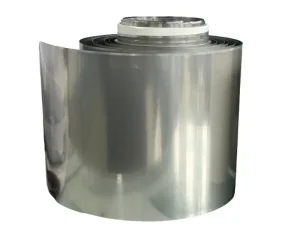
"We've been working with this supplier for 10 years, and we can't speak highly enough of them. The quality of their titanium sheets and strips is always consistent, and they always meet our production needs."
"Their logistics are super fast, so they can deliver on time even for big orders. This helps us avoid production delays, which is a huge help."
"Their comprehensive inventory meets our diverse material grade requirements, making them highly accommodating for distributors like us. They provide an efficient and patient service for sample orders, and we look forward to expanding our collaboration with them in the future."
Find technical answers to key questions concerning the procurement, design, and performance of marine-grade titanium.
Grade 2 Commercially Pure (CP) titanium offers an optimal balance of intermediate strength, high ductility, excellent weldability, and outstanding corrosion resistance in seawater up to 250°C. It is cost-effective and highly workable compared to alloyed grades.
The addition of 0.12% to 0.25% palladium in Grade 7 acts as a micro-cathodic alloy modifier. This enhances the passivation process in acidic and oxygen-depleted crevice conditions, preventing structural breakdown in confined joints where seawater remains stagnant.
For custom dimensions, shapes, or non-stock grades, production timelines range between 15 to 30 days. We maintain a constant spot stock of up to 10 tons of standard CP Grades (Gr1/Gr2) and Grade 5 (Ti64) materials to support rapid deployment orders.
Yes, all shipments include standard Mill Test Certificates (MTC) conforming to EN 10204 3.1. These detail the chemical composition, yield strength, tensile properties, and non-destructive testing (NDT) results, ensuring complete traceability back to the raw ingot batch.
Stay updated with our latest technical research papers, material processing guides, and industrial case studies.
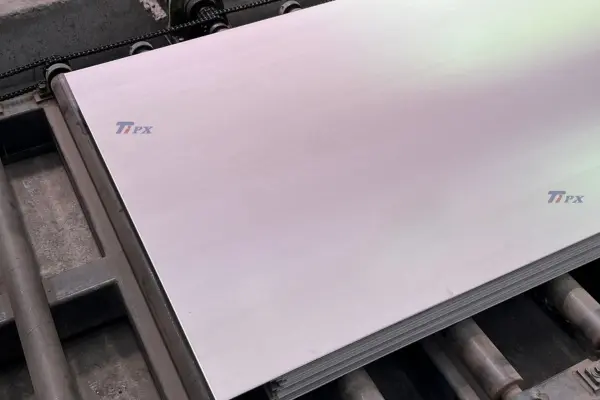
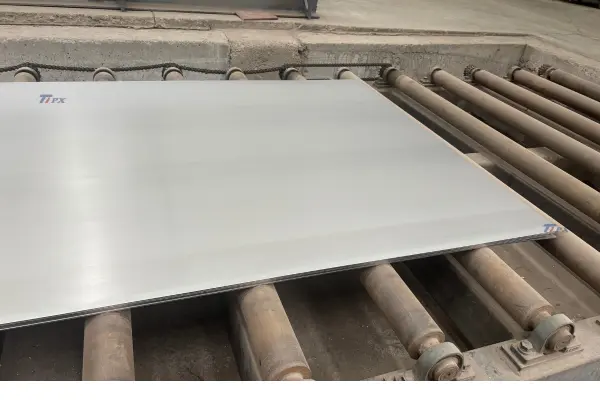
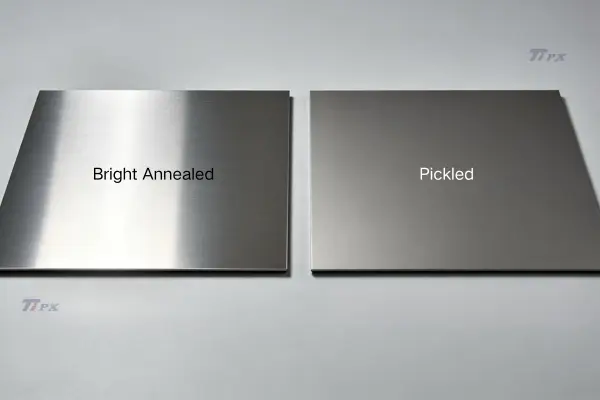
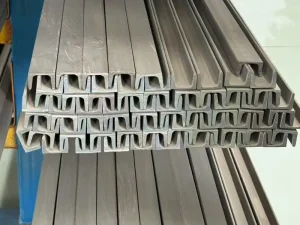
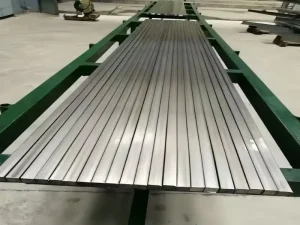
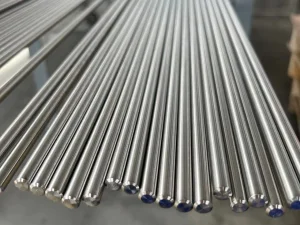
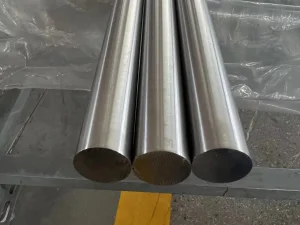
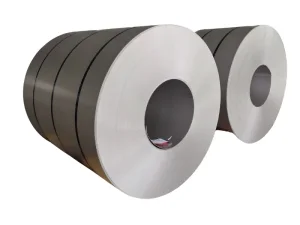
Browse our extensive portfolio of high-strength structural rods, plates, and specialized profiles.
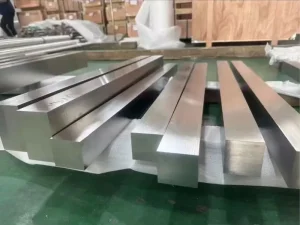
Looking for reliable pricing or custom dimension runs for your next marine project? Contact our sales engineering team directly. We provide comprehensive quotes, structural feedback, and certification packages within 24 hours.
Send Inquiry Online ProX Metal