Engineered for extreme environments, heavy chemical processing, aerospace structures, and critical marine applications.
Navigating Material Selection, Global Procurement, and Advanced Manufacturing Standards for High-Performance Industrial Applications
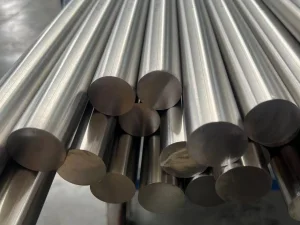
In contemporary heavy industries, operational parameters have reached unprecedented thresholds. High-pressure chemical reactors, deep-water offshore platforms, and supersonic aerospace turbines demand structural components capable of withstanding aggressive chemical attacks, cyclic fatigue, and elevated temperatures. Custom Industrial Titanium Bar Suppliers & Service providers bridge the gap between raw metallurgical science and precision engineering. As a leading high-tech enterprise founded in 2001, ProX Metal has pioneered the development and large-scale manufacturing of pure titanium and high-strength alloy bars (including Grade 1, Grade 2, Grade 5 / Ti6Al4V, Grade 7, Grade 9, and Grade 12), ensuring that global supply chains remain resilient, compliant, and cost-effective.
Titanium's unique attributes—specifically its high strength-to-weight ratio, exceptional passive oxide film formation providing superior pitting and crevice corrosion resistance, and low thermal expansion coefficient—make it indispensable. However, sourcing industrial titanium bars requires deep adherence to international standards such as ASTM B348, ASTM B265, and ASME SB348. This whitepaper outlines the critical metallurgical criteria, global procurement trends, quality assurance frameworks, and future technical roadmaps that define top-tier titanium manufacturing.
Global procurement directors across North America, Europe, East Asia, and the Middle East face complex supply chain pressures, ranging from geopolitical trade compliance to strict raw material traceability. Enterprise procurement strategies for industrial titanium bars focus heavily on three pillars: Metallurgical Consistency, Just-in-Time Spot Delivery, and Custom Machining Capabilities.
Key industrial sectors driving global demand include:
Understanding the microstructural nuances of each titanium grade is vital for mechanical engineers and project specifiers. Our manufacturing facility processes raw sponge into fully dense, homogenous bars through vacuum arc remelting (VAR) and precision hot-rolling/forging operations.
Meeting the rigorous demands of tier-one global manufacturers requires industrial infrastructure capable of scaling from prototype batches to massive multi-ton commercial orders. ProX Metal operates an extensive production ecosystem featuring:
As advanced manufacturing evolves, the industrial titanium sector is undergoing a digital and metallurgical transformation. The integration of Industry 4.0 paradigms into titanium bar production includes:
Explore our extended catalog of high-purity titanium raw materials engineered to international specifications.
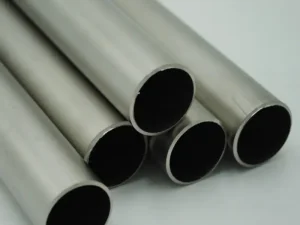
Expert answers regarding industrial titanium bar procurement, machining, tolerances, and quality certifications.
Custom Industrial Pure Titanium&Alloy Precision Machined Parts Factory, Service
China GR12 titanium bar rod corrosion-resistant and high-strength Manufacturers, Supplier
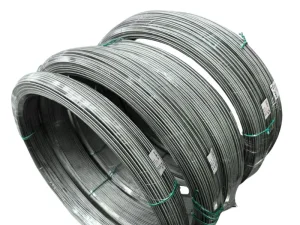
Custom CP Titanium Coiled Wire and Alloy Wire Manufacturers, Factories
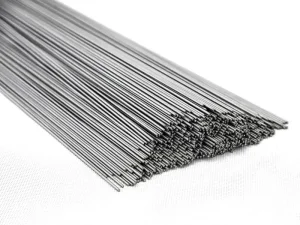
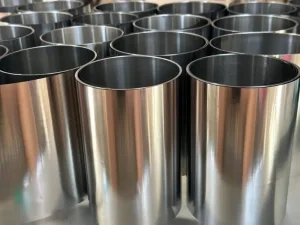
Custom Ti3Al2.5V corrosion resistant titanium foil Supplier, Factories
Wholesale Lightweight Corrosion-resistant Alloy Titanium Foil GR7 GR12 Manufacturer, Suppliers
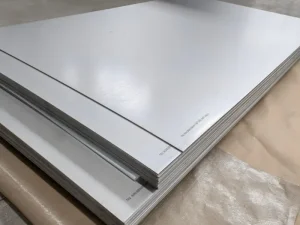
Wholesale GR1,GR2 Titanium Plate Sheet ASTM B265 Manufacturers, Factory
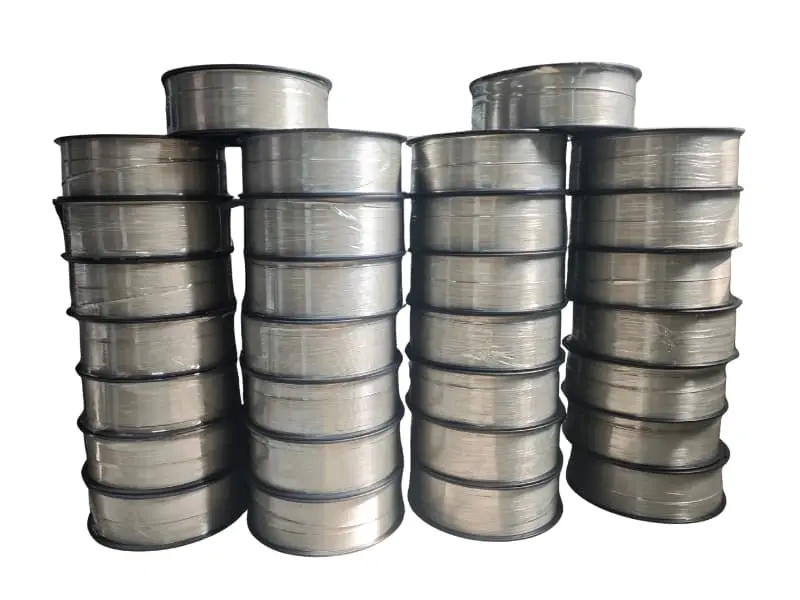
Custom Titanium Welding Wire AWS A5.16 Manufacturer, Factory
Custom Ti6Al4V GR5 Titanium Plate with High Strength for Industrial Suppliers, Factories
Wholesale Pure and Alloy Titanium Seamless Titanium Tubes Manufacturers, Service
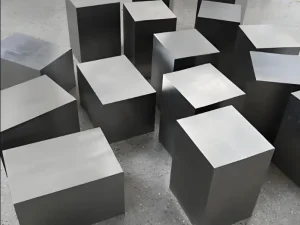
Wholesale Titanium Forgings For Industrial Applications Manufacturers, Factory
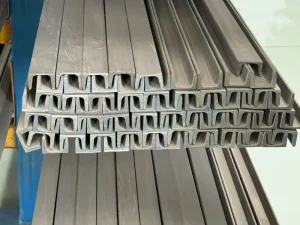
Wholesale Titanium and titanium alloy U profiles Manufacturers, Service
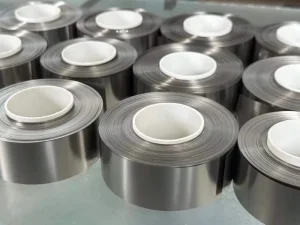
Custom Widths GR1,GR2 Corrosion Resistant Titanium Foil Strips
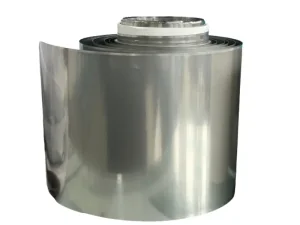
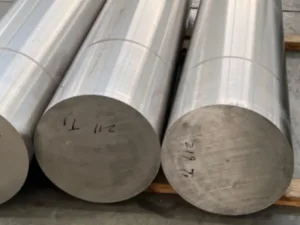
Wholesale Industrial CP Titanium& Alloy Titanium Billet Factories, Service
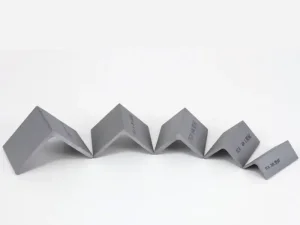
Custom Premium Gr2/Gr5/Gr7 Titanium Products for Your Needs Manufacturer, Factories
 ProX Metal