Explore our highly integrated product lines, custom-tailored to global performance specifications including ASTM B265, ASTM B348, and ASTM B862.
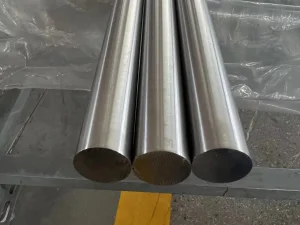
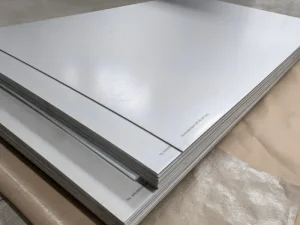
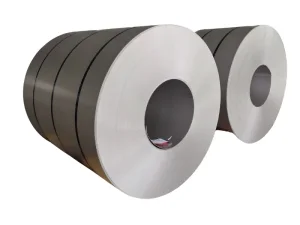
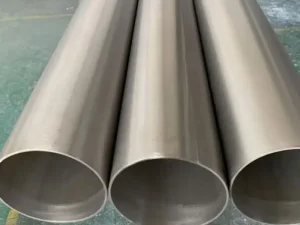
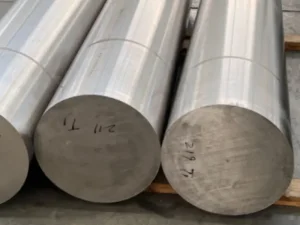
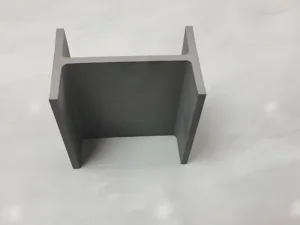
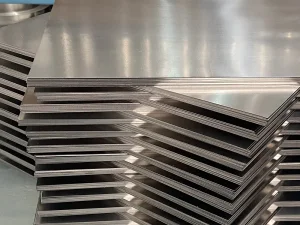
An authoritative breakdown of Hot-Rolled Titanium Foil manufacturing, mechanical properties, and market integrations.
Understanding the deep metallurgical profiles, production thresholds, and structural advantages of hot-rolled titanium foil is critical for global engineering procurement. As modern industrial architectures transition to extreme design requirements, finding reliable Chinese suppliers who can bridge the gap between high technology and optimized logistics has become a key driver for international buyers.
Titanium foil, generally categorized as titanium sheet metal rolled below 0.5mm (and down to microns), is prized for its high strength-to-weight ratio, exceptional corrosion resistance, and biocompatibility. The primary structural distinction lies in its manufacturing path: Hot Rolling (HR) vs. Cold Rolling (CR).
While cold-rolled titanium foil provides an ultra-smooth finish and tight thickness tolerances, hot-rolled processes are critical for establishing primary grain structure, reducing internal residual stresses, and facilitating the processing of high-strength alloys like Grade 5 (Ti-6Al-4V) and Grade 9 (Ti-3Al-2.5V). Dynamic recovery and recrystallization occur simultaneously during hot rolling, preventing work hardening and maintaining isotropic mechanical behavior.
On a global scale, the titanium product supply chain is closely tied to aerospace advancement, chemical manufacturing scale-ups, and the clean energy transition. Titanium foil acts as a vital element in aerospace honeycomb cores, speaker dome diaphragms, military armor cladding, and hydrogen electrolysis cells.
European and North American manufacturers have traditionally dominated high-end aerospace certification pipelines. However, high operational costs and lengthy lead times have prompted international engineering departments to search for alternative hubs. China has positioned itself as the largest global producer of titanium sponge and mill products, rapidly upgrading its manufacturing capabilities to offer ASTM-compliant, aerospace-grade foil products at scale.
The manufacturing of premium hot-rolled titanium foil begins with vacuum arc remelting (VAR) or electron beam cold hearth melting (EB) to yield high-purity ingots. The ingot undergoes initial slab forging within a narrow thermal window (typically between 850°C and 950°C for CP titanium, and higher for alpha-beta alloys).
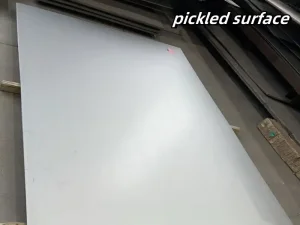
To maintain microstructural integrity and prevent excessive oxidation, manufacturers utilize rapid, multi-pass rolling schedules under protective conditions, or utilize subsequent descaling, acid pickling, and vacuum annealing phases. Managing the "alpha case" (oxygen-enriched layer) is crucial. High-end Chinese factories use precision atmosphere control and inline mechanical peeling to ensure that the finished foil is free of surface microcracks and hydrogen embrittlement risks.
| Titanium Grade | Common Standards | Tensile Strength (MPa) | Yield Strength (MPa) | Primary Industrial Applications |
|---|---|---|---|---|
| GR1 (Commercially Pure) | ASTM B265 / ASME SB265 | ≥ 240 | 170 - 310 | Chlor-alkali cells, plate heat exchangers, hydrogen bipolar plates |
| GR2 (Commercially Pure) | ASTM B265 / ASME SB265 | ≥ 345 | 275 - 450 | Chemical reactor linings, marine exhaust components, desalinators |
| GR5 (Ti-6Al-4V) | ASTM B265 / AMS 4911 | ≥ 895 | ≥ 825 | Aerospace structures, turbine components, high-load fasteners |
| GR9 (Ti-3Al-2.5V) | ASTM B265 / AMS 4914 | ≥ 620 | ≥ 483 | Aircraft hydraulic tubing, premium bicycle frames, high-end sporting goods |
The central advantage of sourcing titanium from Chinese factories lies in raw material proximity and processing clustering. The "Baoji Titanium Valley" and neighboring industrial zones host a comprehensive ecosystem of VAR furnaces, forging presses, continuous hot-rolling mills, and testing labs.
This concentration reduces transportation costs, shortens lead times, and allows for rapid customization. For global buyers, this supply chain integration means that specialized hot-rolled foil products can be manufactured, descaled, vacuum-annealed, and non-destructively tested within a single geographic region.
ISO 9001:2015 certified high-tech enterprise specializing in titanium and alloy development.
Our titanium products are deployed globally in aggressive industrial environments requiring absolute performance security.
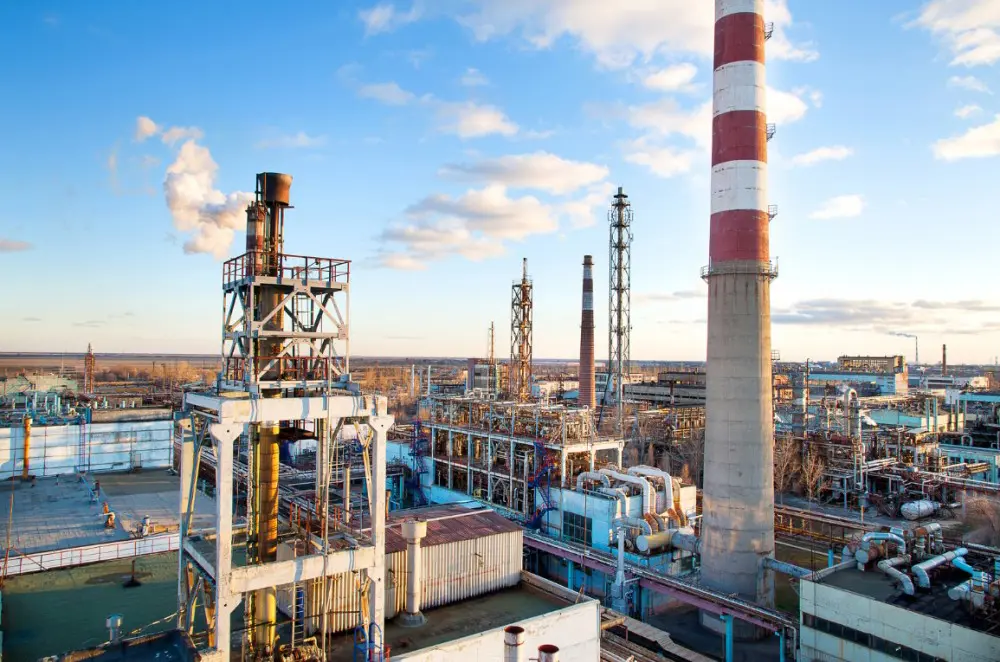
In the chemical industry, our foil acts as a barrier against aggressive media like wet chlorine gas, nitric acid, and organic chlorides. It ensures safe operation in chlor-alkali and sulfuric acid processing systems.
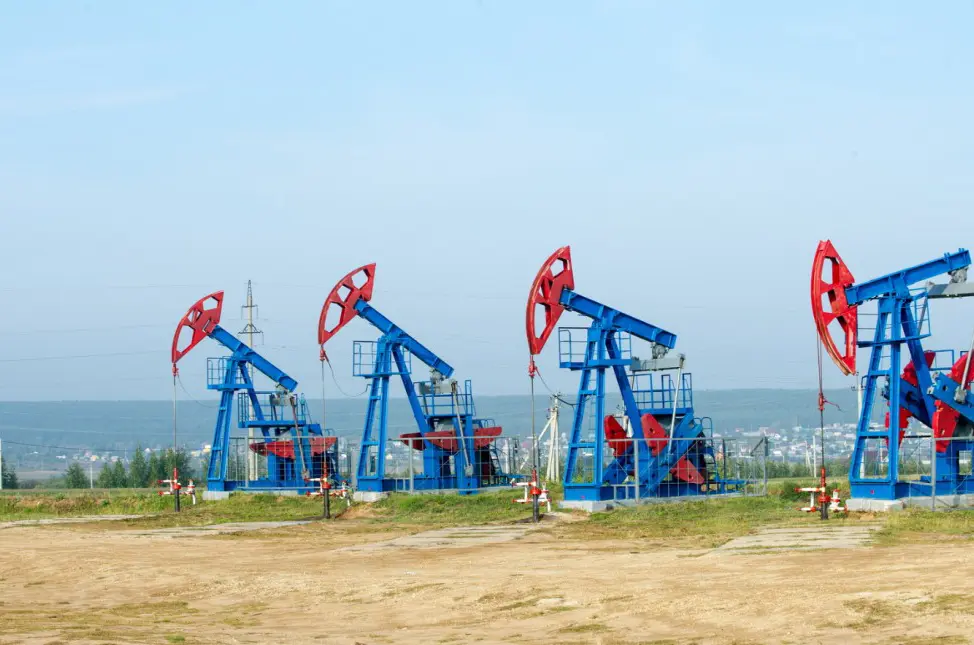
Offshore exploration and deep-well drilling require high strength and resistance to sour gas (H2S). Our Grade 5 and Grade 9 structural foils are ideal for downhole tooling cladding and deep-sea instrument protection.
Complete resistance to marine biofouling and saltwater corrosion makes titanium the material of choice for marine heat exchangers, underwater sonar systems, and subsea deep submergence components.

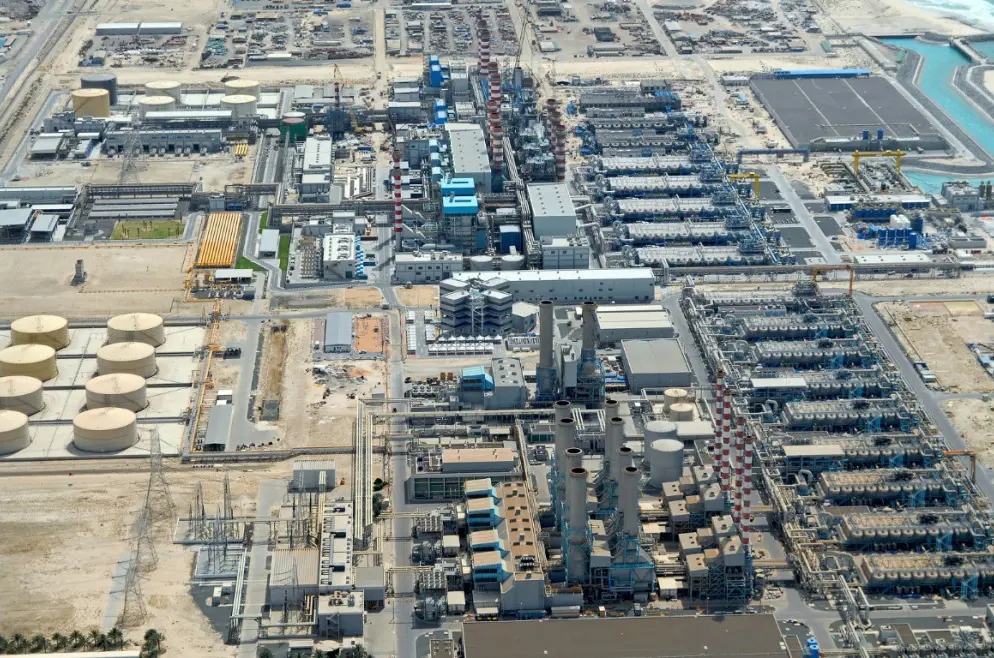
Titanium foil and plates improve the heat transfer efficiency and extend the working life of thermal desalination evaporators. Our products stand up to high-temperature brine environments.
Meeting the evolving standards of lightweight design and material intelligence.
As industrial designs modernize, titanium foil is finding new applications in localized high-tech projects:
The metallurgical industry is moving toward micro-precision rolling. The challenge for manufacturers lies in managing the anisotropy of the material during high-speed rolling. By refining grain size to the sub-micron level, we can achieve high ductility and formability even in ultra-thin titanium foils.
Furthermore, ESG (Environmental, Social, and Governance) compliance is reshaping the supply chain. Low-carbon metallurgical processing, recycling of scrap titanium solids, and direct-reduction extraction methods are shifting the industry towards circular economy principles.
Exporting high-value titanium products requires compliance with international regulatory and certification frameworks. We maintain full traceability for all mill products, providing comprehensive EN 10204 3.1 Mill Test Certificates (MTC) detailing raw chemical analysis and physical testing.
Whether you are working to ASTM, ASME, AMS, or ISO guidelines, our engineers and Quality Assurance team ensure that each production run meets the specific mechanical and compositional limits of your application. We offer door-to-door logistics, customs clearance support, and sample testing options to streamline your procurement process.
Get professional, metallurgical answers to common questions about hot-rolled titanium foil sourcing and processing.
We work with international distributors, chemical engineers, and aerospace developers to build long-term relationships.
"They provided a prompt update on arranging the shipment. We are very grateful that they were able to solve the problem quickly after sales, and we are confident that we will continue our collaboration for a long time."
Customer From Korea"We've been working with this supplier for 10 years, and we can't speak highly enough of them. The quality of their titanium sheets and strips is always consistent, and they always meet our production needs."
Customer From UK"Their logistics are super fast, so they can deliver on time even for big orders. This helps us avoid production delays, which is a huge help."
Customer From TurkeyStay up to date with metallurgical breakthroughs, market updates, and manufacturing innovations.
An in-depth review of corrosion resistance factors in acidic and high-saline storage facilities.
Explore more →How the structural properties of pure titanium plates prevent leaks and maintain chemical purity.
Explore more →An extended guide on surface finishes, acid pickling processes, and vacuum annealing choices.
Explore more →Contact our metallurgy and engineering sales teams for detailed pricing, customized alloy formulations, and lead time logistics. We reply within 24 hours.
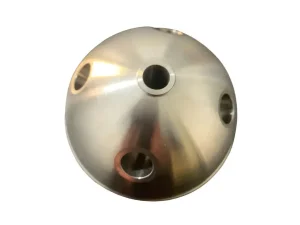
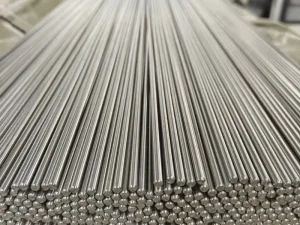
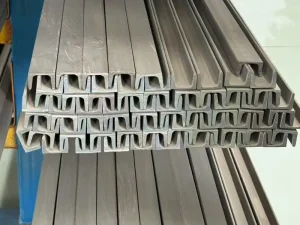
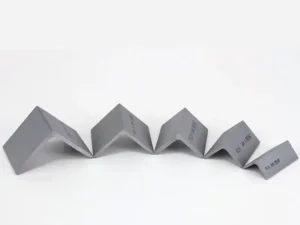
Send Inquiry NowExplore our industrial range of titanium wires, precision-machined parts, and structural profiles.
 ProX Metal