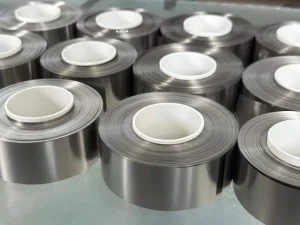
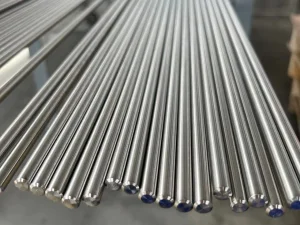
Explore our primary range of pure titanium foils, capillary tubes, alloy plates, and precision custom bars produced under rigorous ISO 9001:2015 standards.
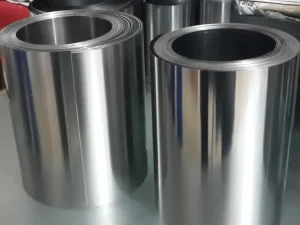
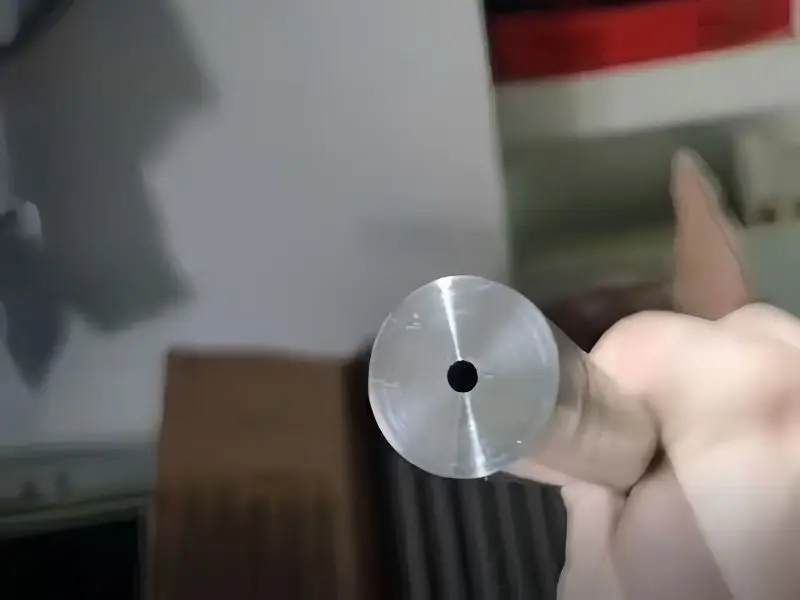
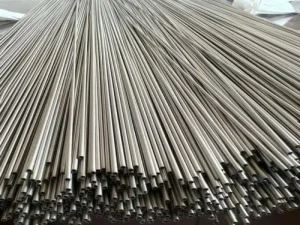
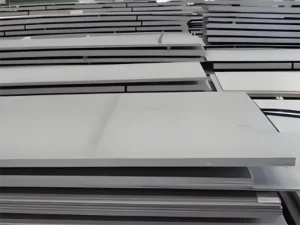
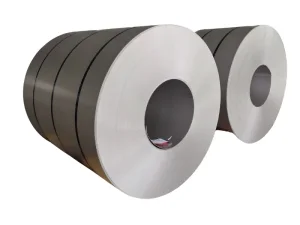
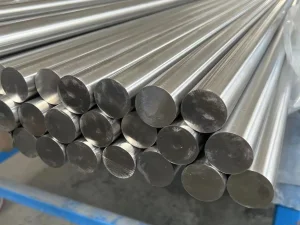
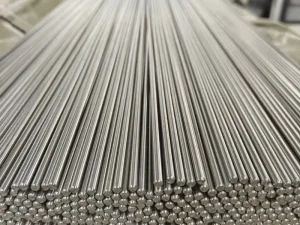
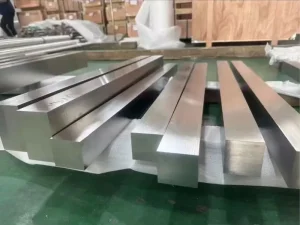
In the contemporary landscape of clean energy and microelectronics, conductive titanium foil has transitioned from a niche metallurgical material to a cornerstone industrial component. As global markets aggressively adopt green technology framework models, the demand for thin-gauge titanium foils possessing high chemical resilience and enhanced surface conductivity has surged. China has emerged as the premier global manufacturer and processing hub for these materials, anchoring over 60% of the world's supply chain capacity, centered primarily around specialized regional industrial clusters such as Baoji (Titanium Valley) in Shaanxi province.
From an international trade perspective, industrialized economies in Europe, North America, and Northeast Asia import significant volumes of Chinese titanium foils to fuel their advanced manufacturing divisions. In the United States and Germany, these foils serve as critical inputs for aerospace engineering, hydrogen energy stacks, and high-performance sensor grids. In Japan and South Korea, they are integrated into consumer electronics shielding and lithium-sulfur batteries. To meet the stringent quality control protocols required by international end-users, leading Chinese suppliers like ProX Metal operate modern vacuum arc remelting (VAR) furnaces and multi-roll cold rolling mills to assure product uniformity, thickness precision down to micron scales, and reliable bulk deliverability.
SEO Insight & Information Gain: Unlike standard structural titanium sheets, "Conductive Titanium Foil" refers to titanium substrates that are optimized for minimal interfacial contact resistance (ICR). This is typically achieved through specialized surface modifications, such as platinum (Pt), iridium (Ir), gold (Au), or carbon-based conductive coatings. Understanding the distinction between bulk alloy characteristics and interfacial electrochemistry is critical for engineers sourcing these materials for electrochemical devices.
The technical trajectory of titanium foil manufacturing is governed by two key parameters: thickness reduction and surface modification. Historically, cold rolling titanium below 50 microns (μm) while maintaining thickness tolerance and structural continuity was considered a severe metallurgical challenge. Today, state-of-the-art rolling technologies enable the mass production of ultra-thin titanium foils down to 5 μm - 10 μm, providing substantial weight and volume reductions for battery systems and stack modules.
Simultaneously, the industry is witnessing a shift towards composite metallurgical coatings. Pure titanium naturally forms a passive, insulating oxide layer (mainly TiO2) when exposed to oxygen. While this oxide layer provides exceptional corrosion resistance, it acts as an electrical insulator, raising the interfacial contact resistance. The developmental trend is focused on resolving this paradox through:
Precise rolling control maintaining consistent thickness down to 5 microns with zero pinholes across continuous coils.
Advanced PVD, electroplating, and thermal spray coating of platinum, gold, and specialized carbon materials.
Utilization of ASTM B265 compliant GR1, GR2, GR7, and GR12 titanium alloys tailored for high corrosive stress.
Conductive titanium foils perform critical functions across several core industrial applications where traditional conductive metals like copper and aluminum fail due to corrosion:
In PEM water electrolysis for green hydrogen production, the anode side operates under highly corrosive acidic conditions paired with strong oxidizing potentials (often > 2V vs. RHE). Copper, aluminum, or stainless steel quickly dissolve, poisoning the membrane catalyst. Conductive titanium foil modified with platinum or iridium coatings is widely utilized as the current collector. It blocks corrosion while ensuring efficient electron transport, maintaining stack voltage stability and longevity.
For fuel cell bipolar plates, titanium foils act as lightweight, corrosion-resistant barrier layers. The addition of conductive coatings reduces interfacial contact resistance with the carbon gas diffusion layer (GDL), optimizing the overall power density and response times of automotive and stationary fuel cell stacks.
In next-generation high-voltage lithium battery chemistries and corrosive sodium-ion electrolytes, titanium foil is increasingly tested as a replacement for aluminum foil at the cathode current collector. It exhibits higher electrochemical stability at potentials above 4.5V, preventing pitting corrosion and enhancing thermal safety margins.
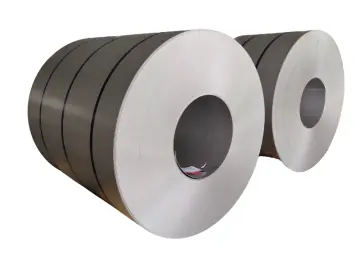
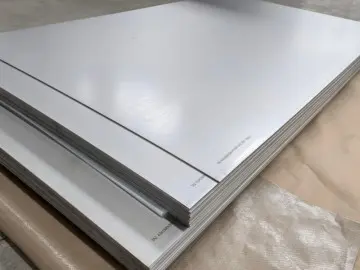
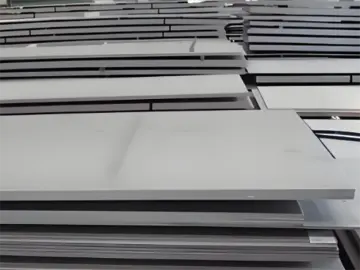
The evolution of conductive titanium foil technology is structured around progressive milestones aimed at solving the efficiency-to-cost ratio for hydrogen and microelectronics sectors.
The near-term target centers on decreasing cold rolling tolerances to ±1μm for 10μm-thick foils. Concurrently, suppliers are refining non-noble metal conductive treatments (such as titanium nitride (TiN) or carbon-doped metallic coatings) to replace high-cost platinum layers in PEM electrolyzer applications. The goal is to lower interfacial contact resistance to below 10 mΩ·cm2 at assembly pressures of 1.4 MPa.
Currently, rolling and surface coating are handled as separate manufacturing phases, which increases production costs. The industry's next step is the transition to inline continuous roll-to-roll vacuum coating systems. Coating the titanium strip directly as it emerges from high-precision flattening mills reduces surface contamination, yields a highly uniform deposition layer, and reduces chemical manufacturing costs by up to 35%.
In the ten-year horizon, titanium foils will evolve from passive current-collecting substrates into active sensing layers. Micro-embossed flows and chemical micro-channels will be directly rolled onto the foil surfaces, enhancing gas-liquid distribution inside fuel cell stacks. Furthermore, thin-film sensor arrays will be integrated onto the foil edges, enabling real-time diagnostics of internal stack temperatures, voltages, and hydrogen concentrations.
Founded in 2001, ProX Metal is a high-tech enterprise specializing in the development, production, and servicing of pure and alloy titanium materials. As a leading manufacturer of raw titanium materials, we focus on providing cost-effective, stable, and high-end titanium materials applied in chemical, oil and gas, marine, and electronics fields. We are ISO 9001:2015 certified and hold 14 national patents.
ProX Metal possesses a complete titanium metal production chain, equipped with over 100 advanced machines, achieving an annual output of 8,000 tons of pure titanium and alloy materials. We offer comprehensive solutions spanning from standard products to customized offerings, committed to delivering the highest quality service to our customers.
ProX Metal is certified to ISO 9001:2015, with its quality system and product lines undergoing regular certification audits. In addition, we have implemented a rigorous quality management system that meets the stringent excellence standards for titanium raw material production. This ensures that our products meet the highest safety and quality standards.

Established Year
Annual Tonnage Output
National Utility Patents
Spot Inventory for Fast Delivery
Our engineered titanium materials deliver high-strength, lightweight performance in challenging industrial environments.

Widely used against highly corrosive media such as chlor-alkali and sulphuric acid, preventing leakage and ensuring reactor integrity.
Read More →
Supplies provide the high-strength, corrosion-resistant materials titanium for offshore exploration, production, and refining oil.
Read More →
Corrosion resistance in seawater and brackish applications makes titanium the material of choice for marine propulsion and piping.
Read More →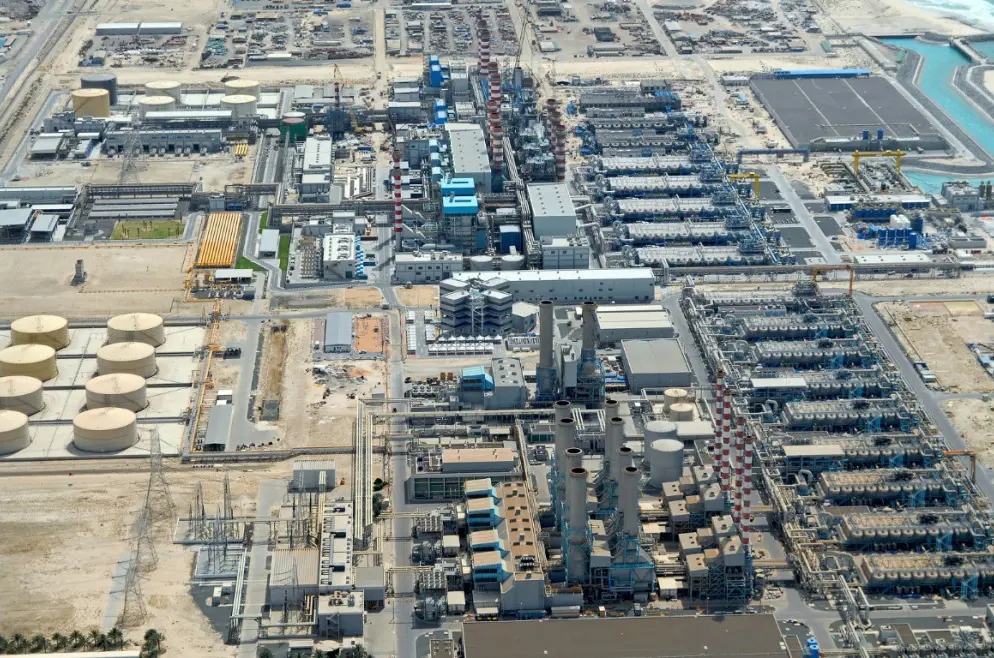
Improves heat exchange efficiency and extends the life of desalination equipment due to high thermal conductivity and seawater tolerance.
Read More →Sourcing metallic foils from Chinese suppliers requires robust systems to address supply chain volatility, quality deviations, and transport hazards. ProX Metal has structured macro solutions targeting three key procurement risk factors:
To eliminate mechanical defects such as pinholes, oil staining, and thickness variations in thin foils, ProX Metal implements continuous optical inspection lines. Every production batch is subjected to ultrasonic thickness testing and scanning electron microscopy (SEM) analysis. This provides verified material certificates (MTC) conforming to ASTM B265 and EN 10204 3.1 standards.
In response to international logistics bottlenecks and raw ingot price fluctuations, our facility maintains a continuous safety stock of over 10 tons of standard grade titanium materials. This enables us to fulfill high-priority customer orders within 7 to 10 working days, stabilizing assembly lines for our customers.
Micro-thin foils are susceptible to crevice corrosion when exposed to moisture during marine transit. ProX Metal packs all high-purity foils in vacuum-sealed polymer bags with silica desiccant cores, crated in shock-absorbing wooden containers to prevent edge deformation during shipment.
"They provided a prompt update on arranging the shipment. We are very grateful that they were able to solve the problem quickly after sales, and we are confident that we will continue our collaboration for a long time."
"We've been working with this supplier for 10 years, and we can't speak highly enough of them. The quality of their titanium sheets and strips is always consistent, and they always meet our production needs."
"Their logistics are super fast, so they can deliver on time even for big orders. This helps us avoid production delays, which is a huge help."
"Their comprehensive inventory meets our diverse material grade requirements, making them highly accommodating for distributors like us. They provide an efficient and patient service for sample orders."
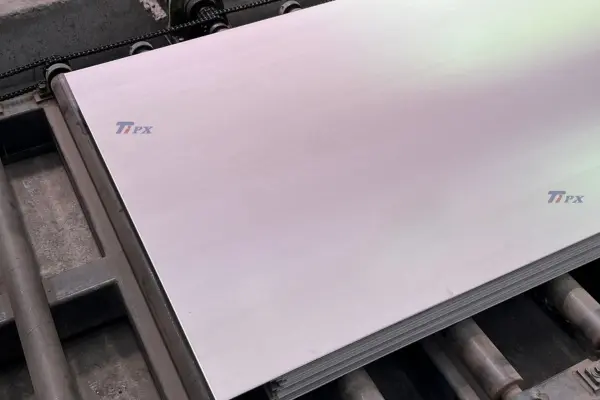
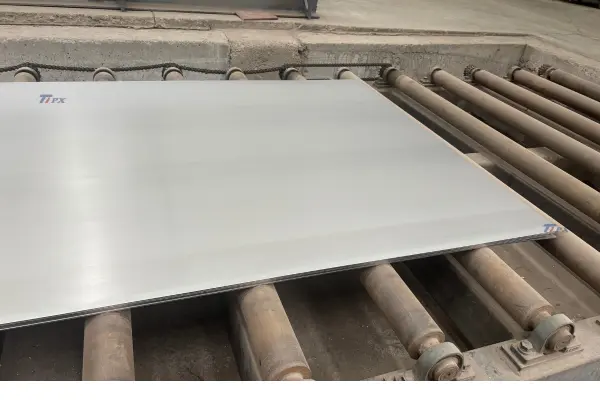
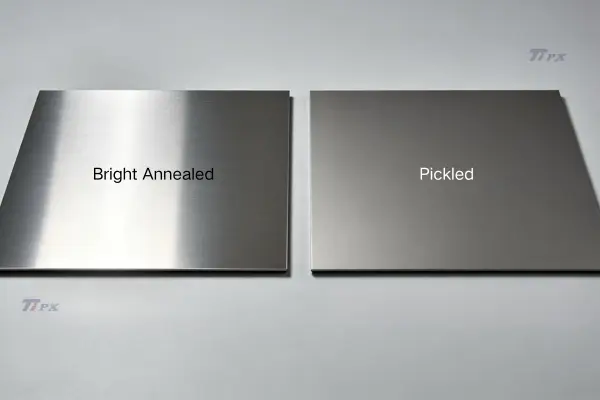
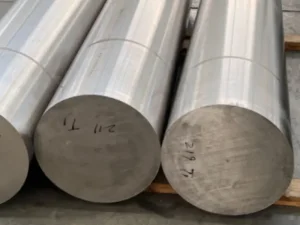
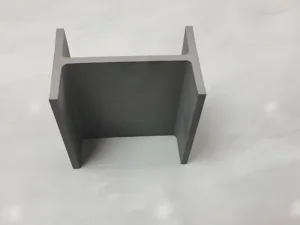
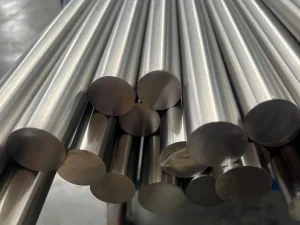
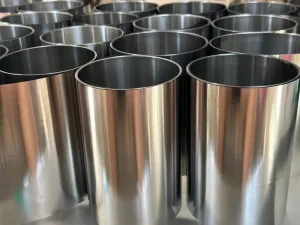
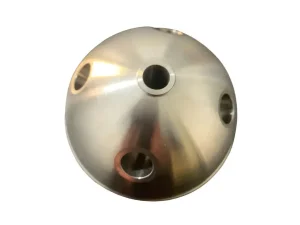
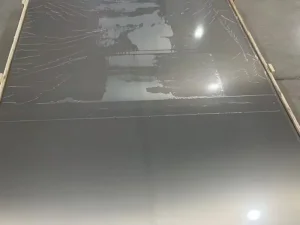
Select from our secondary inventory of titanium strips, industrial billets, and custom-machined structural parts.
Need custom thickness, widths, or special conductive coatings for your titanium materials? Contact ProX Metal’s technical team today to receive a prompt quotation and structural solution proposal within 24 hours.
Request Custom Quote & Data Sheets ProX Metal