The titanium industry plays a crucial role in meeting the needs of various sectors, from aerospace to medical applications. Experts emphasize the importance of quality in Titanium Round Bar Manufacture. Dr. Samuel Greene, a renowned metallurgist, once stated, "The integrity of a product starts with the quality of the material.” This insight underscores the significance of selecting top manufacturers.
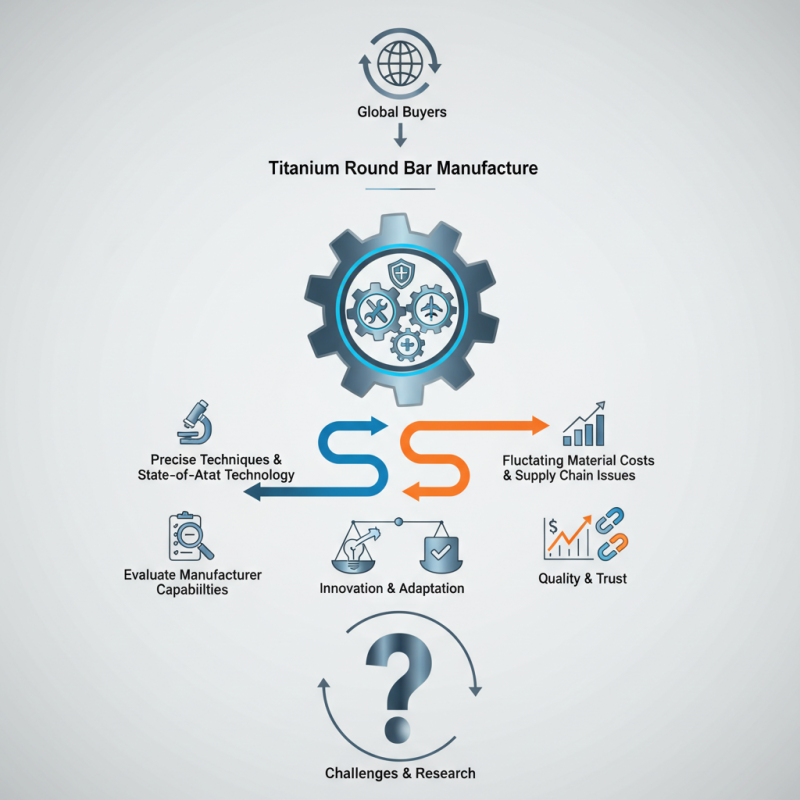
As the demand for titanium continues to grow, global buyers must identify reliable sources. The process of Titanium Round Bar Manufacture involves precise techniques and state-of-the-art technology. Buyers should evaluate manufacturer capabilities thoroughly. The right supplier can influence project outcomes significantly.
Yet, challenges persist in this industry. Fluctuating material costs and supply chain issues can impact both quality and availability. Investors and buyers must remain vigilant. Finding a trusted Titanium Round Bar Manufacture requires careful consideration and research. The industry’s dynamic nature calls for constant adaptation and awareness of market trends. Balancing innovation and quality is not easy but essential for success.
The manufacturing process of titanium round bars involves several critical steps. Initially, titanium is sourced, often from ores like rutile or ilmenite. The production begins with smelting titanium using the Kroll process, where titanium tetrachloride is reduced with magnesium in an inert atmosphere. This process yields high-purity titanium, essential for quality round bars.
Tip: Pay attention to the alloying elements in titanium production. They significantly influence properties like strength and corrosion resistance.
Once the titanium is produced, it undergoes melting in a vacuum or inert gas furnace. This stage is vital for achieving the desired purity and grain structure. Following melting, the titanium is cast into cylindrical shapes or ingots. These ingots are then reheated and forged into round bars. The forging improves mechanical properties and achieves the necessary dimensions.
Tip: Regular quality checks are essential throughout the manufacturing process. They ensure that the final product meets industry standards.
After forging, heat treatment can further refine the material's structure. This process enhances durability and wear resistance. Many manufacturers also conduct surface treatments to improve performance and longevity.
Data from industry reports indicate that the demand for titanium round bars is rising, especially in aerospace and medical applications. Understanding the manufacturing intricacies helps buyers make informed decisions. It is crucial to choose suppliers with a proven track record in titanium production to ensure reliability.
When selecting titanium round bars, understanding the key specifications and grades is essential. Titanium bars are categorized based on their alloy composition and mechanical properties. Common grades include Grade 2, known for its excellent strength-to-weight ratio, and Grade 5, an alloy of titanium, aluminum, and vanadium, celebrated for its superior fatigue resistance. Each grade serves different applications, from aerospace to medical devices, demanding specific features.
Quality specifications, such as diameter, length, and surface finish, are crucial considerations for buyers. Round bars are typically available in various diameters, often ranging from 0.25 inches to several inches. Surface finishes vary, impacting corrosion resistance and aesthetic appeal. While the variety is appealing, buyers should remain vigilant. Not all manufacturers adhere to the same quality standards. This inconsistency can lead to subpar products and safety risks.
Furthermore, understanding the heat treatment process for titanium is vital. Different treatments can enhance the mechanical properties of the bars, but improper processes can introduce weaknesses. Buyers should seek detailed insights into these processes from manufacturers. Gaining a thorough understanding requires more than a quick glance at specifications. Engage directly with suppliers to discern the quality and reliability of their products. This proactive approach prevents costly mistakes in the future.
The titanium round bar market is experiencing dynamic shifts, driven by various global trends. In 2022, the global titanium alloy market was valued at approximately $4.4 billion and is projected to grow at a CAGR of 8.3% from 2023 to 2030. This growth is largely influenced by rising demand in aerospace and medical applications. The lightweight yet durable nature of titanium makes it a preferred choice in these sectors.
Market analysts highlight a notable increase in the use of titanium in automotive manufacturing. The industry's need for lightweight materials to improve fuel efficiency is a key driver. Moreover, the expansion of the renewable energy sector is bolstering demand for titanium products in offshore wind turbines and hydrogen storage solutions.
Tips: When sourcing titanium round bars, consider the supplier’s certifications and quality control processes. Don't overlook the importance of understanding the specifications required for your projects. Always request material test reports to ensure compliance with industry standards. This can save both time and costs in the long run.
When selecting reliable titanium round bar manufacturers, experience is key. Many companies claim to offer high-quality products, but not all have the necessary expertise. Look for manufacturers with a solid track record. They should have years of experience in producing titanium products. This experience often reflects their ability to meet stringent industry standards.
Another important factor is reputation. Investigate customer reviews and testimonials. Find out what previous buyers say about their quality and service. It’s important to ask for references before making a decision. Some manufacturers may not respond promptly or clearly, which can be a red flag. Trustworthy manufacturers prioritize communication, ensuring buyers feel valued.
Consider the manufacturer’s certifications as well. Accreditation from recognized organizations adds credibility. It reassures potential buyers of quality and compliance. Additionally, examine the production process. Transparency in manufacturing practices indicates a strong commitment to quality. In a saturated market, these factors help narrow down options. However, don’t overlook smaller manufacturers; they may offer unique advantages or personalized service.
Quality assurance is crucial in the manufacturing of titanium products. It ensures that the materials meet industry standards and customer expectations. Titanium, known for its strength and corrosion resistance, is used in various applications. Proper certification confirms the integrity of these materials.
Manufacturers must adhere to specific certification standards. These standards vary but often align with international norms. Testing for purity, tensile strength, and fatigue resistance is common. Regular audits and inspections help maintain quality control. This ongoing process builds trust between manufacturers and buyers.
Yet, meeting these standards is not always straightforward. Variability in raw materials can affect outcomes. Manufacturers must continuously improve their processes. Transparency is vital. Buyers should seek manufacturers who openly share their compliance records. This accessibility fosters a reliable relationship and assures product quality.
: Titanium is sourced from ores like rutile or ilmenite at the beginning.
The Kroll process reduces titanium tetrachloride with magnesium in an inert atmosphere.
Heat treatment enhances the material's durability and wear resistance significantly.
Key specifications include diameter, length, and surface finish, which affect performance.
Grades indicate alloy composition and mechanical properties, affecting strength and application.
Direct engagement helps assess quality and understanding of manufacturing processes.
Variability can lead to inconsistent quality, affecting product performance and safety.
Manufacturers often face difficulties due to the variability of raw materials used.
Seek manufacturers who share compliance records and maintain transparent quality assurance.
Surface finishes affect both corrosion resistance and aesthetic appeal, impacting overall performance.
The article "Top Titanium Round Bar Manufacture for Global Buyers Questions" provides a comprehensive overview of the manufacturing process of titanium round bars, highlighting the intricate steps involved in producing high-quality materials. It discusses key specifications and grades that are essential for buyers to consider, ensuring that they select the appropriate type for their specific needs.
Additionally, the article delves into global market trends, offering insights into the demand and supply dynamics affecting titanium round bar buyers. It emphasizes the importance of selecting reliable manufacturers, providing guidance on identifying reputable sources. Finally, the discussion on quality assurance and certification standards underscores the necessity of adhering to industry norms, ensuring that the products meet required safety and performance benchmarks. This holistic approach aids global buyers in making informed decisions regarding titanium round bar manufacture.

ProX Metal