The demand for Titanium Coil Sheet has surged in recent years. This growth is driven by its unique properties, such as high strength-to-weight ratio and excellent corrosion resistance. According to a recent industry report by Grand View Research, the global titanium market is projected to reach $6.52 billion by 2025. As a result, buyers around the world are seeking reliable suppliers.
China remains a dominant player in the titanium supply chain. The country's manufacturing capabilities and advanced technology enable it to produce high-quality Titanium Coil Sheets. Reports indicate that China accounts for over 30% of global titanium production. However, finding trustworthy suppliers can be challenging. Quality control and manufacturing standards vary across different suppliers. Buyers must evaluate potential partners carefully.
Understanding the market landscape is crucial for global buyers. Not all suppliers meet the same standards in terms of quality and service. Developing a long-term supplier relationship requires due diligence. Conducting thorough research and verification can help mitigate risks. In the evolving titanium industry, informed decision-making is essential for success.
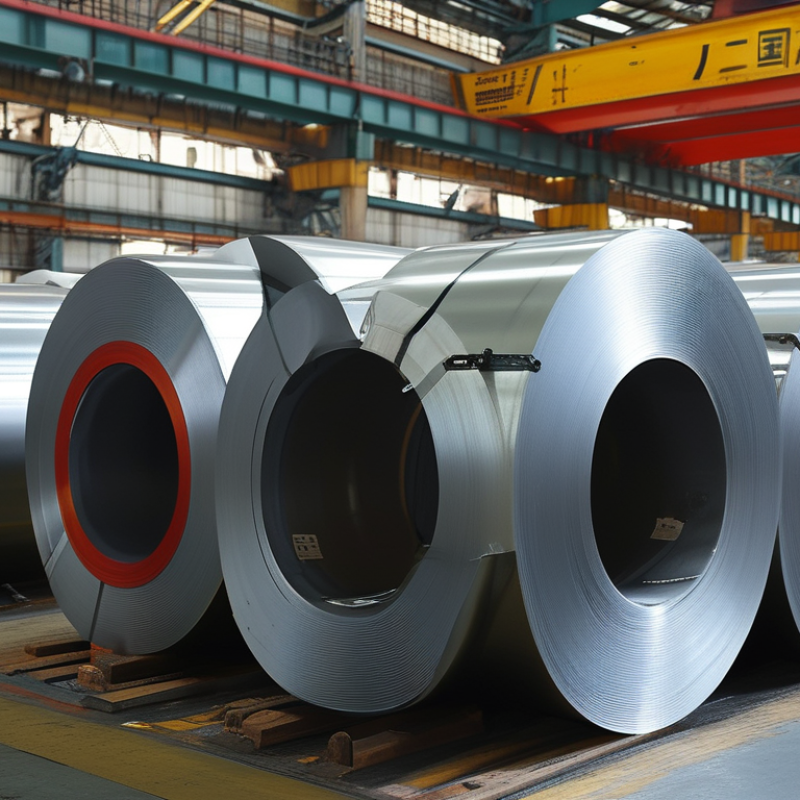
Titanium coil sheets are essential materials in various industries. They are known for their strength, light weight, and resistance to corrosion. This makes them ideal for applications in aerospace, medical devices, automotive, and marine installations. These sheets are versatile and can be customized according to specific needs.
When selecting titanium coil sheets, it is crucial to consider factors like grade, thickness, and finishing. Not all suppliers provide the same quality. Understanding the nuances in specifications can prevent costly mistakes. A deeper knowledge of the material can help buyers make informed decisions.
**Tip:** Always request samples before purchasing in bulk. This can help verify quality and suitability for your projects.
Maintain communication with suppliers, clarifying any doubts about the product. Sometimes, they may not provide complete information upfront. It’s also worthwhile to compare multiple sources. The lowest price isn’t always the best value, as compromise on quality can lead to significant issues later.
**Tip:** Look for certifications that validate the quality of the titanium products. This can save unexpected challenges in production and use.
When selecting titanium coil sheet suppliers, several critical factors come into play. First, assess the supplier's experience in the industry. A supplier with a solid track record often demonstrates reliability. Studies indicate that over 80% of successful titanium manufacturing ventures choose suppliers with a minimum of five years in business. This experience translates to smoother transactions and quality assurance.
Second, consider the certifications and standards that the supplier adheres to. Ensure they comply with international standards like ASTM or ISO. This compliance speaks volumes about their commitment to quality. A report from the International Titanium Association suggests that certified suppliers provide products with significantly lower defect rates, around 5% compared to 15% from non-compliant suppliers. Reliable suppliers not only deliver quality products but also support sustainable practices, contributing to environmental goals.
Additionally, evaluate the supplier's capacity to meet specific requirements. Proficiency in custom orders can be a game changer. Titanium applications vary widely across industries. Having a supplier who understands unique specifications can help avoid costly mistakes. Research shows that 30% of project delays stem from inadequate supplier communication regarding specific needs. A proactive supplier can often mitigate these risks effectively.
When exploring the top suppliers of titanium coil sheets in China, a detailed comparative analysis reveals a dynamic market. Titanium demand has surged recently, with industry reports indicating a 15% annual growth rate. This trend stems from the increasing use of titanium in aerospace and medical sectors, emphasizing the need for reliable suppliers.
Key characteristics to consider include production capacity, product range, and quality certifications. In 2022, over 60% of titanium products exported from China passed international quality standards. Suppliers that focus on innovative technologies often lead in material performance and cost efficiency.
However, there are challenges in this competitive landscape. Some suppliers struggle with fluctuating raw material costs and inconsistent product quality. Buyers need to conduct thorough research, ensuring they partner with suppliers that demonstrate commitment to quality and sustainable practices. Regular audits and supplier assessments are crucial for maintaining optimal standards.
The titanium coil sheet industry maintains strict standards for quality. Many suppliers adhere to international certifications like ISO 9001 and ASTM standards. These certifications ensure consistent quality in both production processes and finished products. For global buyers, it is vital to choose suppliers who prioritize these standards.
According to a report by Grand View Research, the titanium market is expected to grow significantly, driven by aerospace and medical industries. This gives rise to increased competition. Suppliers must innovate to meet the rising demands for sustainability and performance. Yet, not all suppliers reach the same benchmark of quality, leading to inconsistencies. Buyers should conduct thorough audits before making commitments.
Tip: Always request detailed certification documents. Verify the supplier's adherence to quality standards. This step will save time and resources in the long run.
By understanding the key certifications and conducting proper research, buyers can make informed decisions. This minimizes risks associated with subpar materials. Ensuring quality not only enhances performance but also promotes trust in the supply chain.
This chart illustrates the percentage of titanium coil sheet suppliers in China that possess various quality certifications, reflecting their commitment to quality standards in the industry.
The titanium coil sheet market is rapidly evolving, driven by increasing demand across various industries. According to recent reports, the global titanium market is expected to reach USD 7.4 billion by 2027, growing at a CAGR of 4.5%. This growth reflects a robust need for lightweight materials in aerospace, automotive, and medical industries.
Market trends indicate a shift towards recycled titanium sources. The utilization of recycled materials can reduce production costs and environmental impact. Additionally, advancements in manufacturing technologies are enhancing the quality and properties of titanium coil sheets. Companies are focusing on creating products with superior strength-to-weight ratios, catering to high-performance applications. This focus on innovation is vital as it helps meet the diverse needs of global buyers.
Tip: When selecting suppliers, consider not only pricing but also their commitment to sustainability. Quality assurance should be a priority. Review certifications and past projects they have completed.
As buyers explore options, there may be a lack of transparency in sourcing. This can lead to doubts about product purity. It's crucial to thoroughly vet suppliers. Request detailed product specifications and compliance documents before making commitments.
| Supplier Region | Annual Production Capacity (Tons) | Export Markets | Market Share (%) | Growth Rate (2023/2024) |
|---|---|---|---|---|
| East China | 15,000 | North America, Europe | 25% | 10% |
| South China | 20,000 | Asia, Middle East | 30% | 12% |
| North China | 12,000 | Europe, Latin America | 20% | 8% |
| Central China | 10,000 | Africa, Australia | 15% | 5% |
: Buyers need to consider production capacity, product range, and quality certifications.
The demand is increasing primarily due to aerospace and medical sector needs.
Not all suppliers meet the same standards, leading to inconsistent product quality.
Certifications ensure consistent quality in production, helping buyers make informed decisions.
There is a shift towards recycled titanium, reducing costs and environmental impact.
Fluctuating raw material costs and inconsistent quality can impact supplier reliability.
Regular audits and thorough assessments of suppliers are essential.
Buyers should request detailed product specifications and compliance documents.
It is projected to reach USD 7.4 billion, reflecting growing demand.
Buyers should consider sustainability commitments and past project reviews.
The article provides a comprehensive overview of Titanium Coil Sheets, outlining their diverse applications across various industries, including aerospace, automotive, and medical sectors. It emphasizes the importance of selecting the right suppliers, highlighting key factors such as quality, pricing, and service capabilities that buyers should consider. A comparative analysis of top suppliers in China reveals their strengths and weaknesses, offering valuable insights for global buyers.
Additionally, the article discusses quality standards and certifications that ensure the reliability of Titanium Coil Sheets, which are crucial for end-use applications. Lastly, it addresses current market trends and the future outlook for the Titanium Coil Sheet industry, indicating a growing demand driven by technological advancements and increasing applications in high-performance environments. This makes understanding the landscape of suppliers and their offerings essential for buyers looking to source Titanium Coil Sheets effectively.

ProX Metal