Ti-6Al-4V GR5 Titanium Plate is a crucial material in modern engineering. Known for its exceptional strength-to-weight ratio, it offers durability in various applications. Industries across aerospace, medical, and automotive fields rely on this titanium alloy for critical components.
This plate is notable for its corrosion resistance and ability to withstand high temperatures. These properties make it suitable for demanding environments. For instance, in aerospace, it is utilized in airframes and engine parts. In the medical field, it serves in implants and surgical instruments that require biocompatibility.
However, the processing of Ti-6Al-4V GR5 Titanium Plate can be challenging. Machining requires specialized techniques to avoid defects. The cost of raw materials is also a consideration. Despite these challenges, understanding and mastering this alloy could lead to innovations in design and manufacturing. Exploring the potential and limitations of this material is vital for industry advancement.
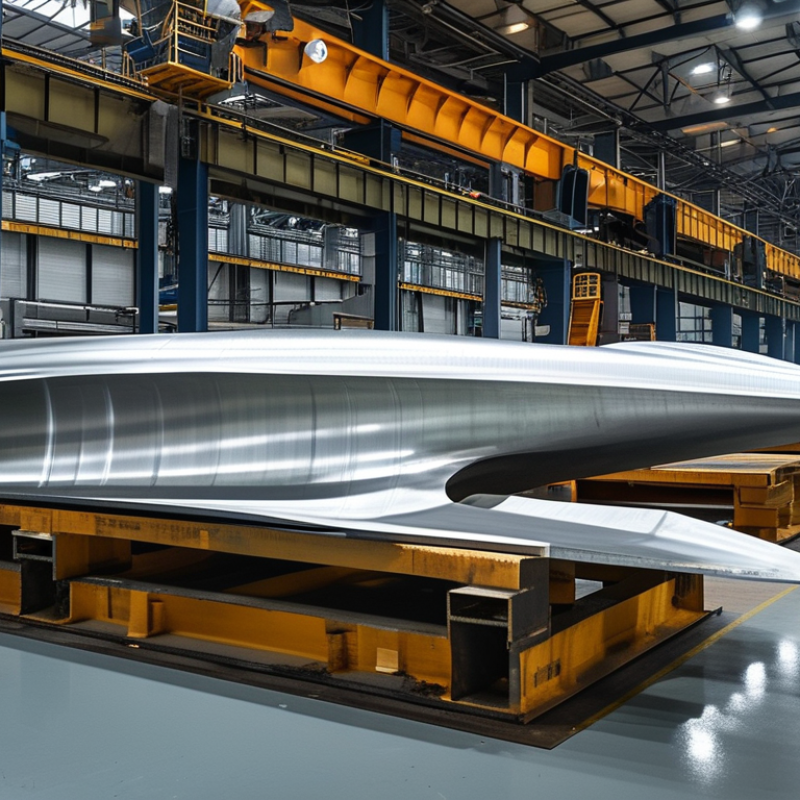
What is Ti-6Al-4V GR5 Titanium Alloy?
Ti-6Al-4V GR5 titanium alloy is a prominent material in modern engineering. This alloy contains approximately 90% titanium, 6% aluminum, and 4% vanadium. Its unique composition grants it impressive strength-to-weight ratios. According to industry reports, this alloy's tensile strength reaches up to 1,200 MPa. This makes it a preferred choice in aerospace applications.
The alloy's performance exceeds expectations in extreme environments. It remains stable at high temperatures, up to 600°C. This feature is vital for components in jet engines and spacecraft. However, challenges remain in its machinability. Cutting this alloy can be difficult, leading to increased tool wear. Some studies suggest optimizing the cutting speed can enhance performance.
In addition, Ti-6Al-4V GR5 is widely used in biomedical applications, particularly in implants. Its biocompatibility supports healing without adverse reactions. According to a health technology assessment, over 70% of orthopedic implants are made from this alloy. Despite its advantages, the cost can be a limiting factor for smaller manufacturers. Balancing quality and affordability continues to challenge the industry.
Properties and Characteristics of Ti-6Al-4V GR5 Titanium Plate
Ti-6Al-4V GR5 titanium plate is a versatile material widely used in various industries. Its unique properties make it ideal for applications in aerospace, medical, automotive, and marine markets. The alloy consists of 90% titanium, 6% aluminum, and 4% vanadium, providing an excellent balance of strength and weight.
The mechanical properties of Ti-6Al-4V GR5 are remarkable. It boasts a tensile strength of around 1300 MPa and a yield strength of 1000 MPa. This high strength allows it to withstand heavy loads and impact, making it reliable in critical applications. Additionally, its low density (approximately 4.43 g/cm³) contributes to weight savings, which is paramount in aerospace engineering. Furthermore, it exhibits good corrosion resistance, particularly in saltwater, making it favored for marine applications.
Tip: For optimal performance, consider the working environment. Ti-6Al-4V might not perform well under certain extreme conditions. Always verify compatibility with specific environments before application.
Despite its advantages, Ti-6Al-4V GR5 also has limitations. The alloy can be challenging to machine due to its toughness, and heat treatment processes require careful control. Improper handling may lead to defects in the material, such as hard spots or residual stresses. Close attention to fabrication techniques is necessary to ensure quality.
Tip: When fabricating titanium plates, always use the correct tooling. This can significantly affect efficiency and outcome.
In conclusion, Ti-6Al-4V GR5 titanium plate stands out for its unique combination of strength, lightweight, and corrosion resistance. Understanding its properties and limitations is crucial for maximizing its potential in various applications.
Manufacturing Processes for Ti-6Al-4V GR5 Titanium Plates
Ti-6Al-4V GR5 titanium plates are commonly manufactured using various processes. These processes include forging, casting, and additive manufacturing. Each method affects the material's properties and applications. For instance, forging enhances strength, while additive manufacturing allows intricate designs. This versatility makes Ti-6Al-4V especially valuable across industries.
Forging of Ti-6Al-4V involves heating the material and shaping it under pressure. This method produces a uniform microstructure and increases durability. In contrast, casting allows for complex geometries. However, it may introduce defects. Additive manufacturing provides flexibility, but surface finishes often require post-processing.
Tips: When choosing a manufacturing process, consider the application's demands. Assess the balance between strength and design complexity. Regular material tests ensure reliability and performance.
The global titanium market is expected to grow significantly, driven by the aerospace and medical sectors. A report by Grand View Research predicts a compound annual growth rate (CAGR) of 4.8% from 2021 to 2028. This increase highlights the importance of improving manufacturing techniques to meet rising demands. Balancing cost and quality remains a critical challenge.
Usage of Ti-6Al-4V GR5 Titanium Plate in Various Industries
Applications of Ti-6Al-4V GR5 Titanium in Various Industries
Ti-6Al-4V GR5 titanium is widely used across different sectors. Its unique properties make it a top choice for critical applications. This alloy is known for its high strength-to-weight ratio, excellent corrosion resistance, and outstanding biocompatibility. These features allow it to perform well in demanding environments.
In the aerospace industry, Ti-6Al-4V GR5 is essential for components like engine parts and aircraft structures. Its lightweight nature helps improve fuel efficiency. The medical field also benefits significantly. This alloy is used in implants and surgical instruments due to its compatibility with the human body. Additionally, the automotive sector uses it for high-performance parts that require durability and strength.
Despite its advantages, some challenges remain. The cost of Ti-6Al-4V GR5 is higher than other materials. This can limit its use in some applications. Moreover, machining this titanium alloy can be difficult, leading to increased production times. These factors require careful consideration in engineering designs. Overall, Ti-6Al-4V GR5 remains a valuable material in modern industries.
Advantages of Using Ti-6Al-4V GR5 Titanium Plates Over Other Materials
Ti-6Al-4V GR5 titanium plates are renowned for their exceptional properties. They exhibit a high strength-to-weight ratio, making them ideal for aerospace and biomedical applications. The material is corrosion-resistant, which enhances its longevity in harsh environments. Additionally, Ti-6Al-4V has excellent fatigue resistance, vital for components subjected to repetitive stress.
When compared to traditional materials, the advantages become clear. Ti-6Al-4V plates often outperform steel and aluminum in terms of strength and weight. For instance, using titanium can reduce the overall weight of an aircraft, improving fuel efficiency. The manufacturing process allows for precise engineering, enabling intricate designs that would be challenging with other metals.
However, it's worth noting that titanium can be more challenging to machine. This increases production costs and requires specialized knowledge. Companies must weigh these factors when considering material choices. Not every project can justify using Ti-6Al-4V due to budget constraints. Understanding the unique challenges helps in making informed decisions about material selection.
FAQS
It has a tensile strength of around 1300 MPa and a yield strength of 1000 MPa.
Its lightweight nature significantly improves fuel efficiency and handles heavy loads well.
This alloy is biocompatible, making it ideal for implants and surgical instruments.
It is tough to machine, which can increase production times and costs.
Yes, it may not perform well in certain environments. Compatibility verification is essential.
The cost is higher compared to other materials, which can limit its application.
It often outperforms both in strength-to-weight ratio, making it a superior choice for specific applications.
Using the correct tooling during fabrication is crucial for quality outcomes.
Improper handling may lead to hard spots or residual stresses in the material.
Conclusion
Ti-6Al-4V GR5 Titanium Plate is a versatile material known for its exceptional strength-to-weight ratio and corrosion resistance, making it a popular choice in various industries. This titanium alloy, characterized by its aluminum and vanadium content, offers outstanding mechanical properties, including high fatigue strength and excellent weldability. The manufacturing processes for Ti-6Al-4V GR5 Titanium Plates include methods such as forging, casting, and machining, which ensure precision and quality in the final product.
In terms of applications, Ti-6Al-4V GR5 Titanium Plates find common use in aerospace, medical, and automotive sectors due to their durability and reliability. The advantages of using these plates over other materials include reduced weight, enhanced performance under high stress, and longer service life, making them an ideal choice for critical components in demanding environments.

 ProX Metal