Choosing the best Titanium Coil Wire requires careful consideration of several factors. This wire is crucial in many industries, such as aerospace and medical devices, due to its impressive strength-to-weight ratio and excellent corrosion resistance. According to a report by Grand View Research, the global titanium market is expected to reach over $6 billion by 2027, indicating a significant demand for high-quality titanium products.
Industry expert Dr. Michael Harris, a leading authority in metal materials, emphasizes, “Understanding the specific requirements of your application is essential for selecting the right Titanium Coil Wire.” His insights highlight the importance of considering factors like gauge, diameter, and coil type to ensure optimal performance. The diverse applications of this wire underscore the need for precision in choice.
Many users find themselves overwhelmed by the options available. It’s essential to maintain a balance between cost and performance. The most expensive wire isn't always the best. Thorough research and consultation with experts can guide your selection. Remember, the right Titanium Coil Wire can directly impact the success of your project, making informed choices vital for achieving desired results.
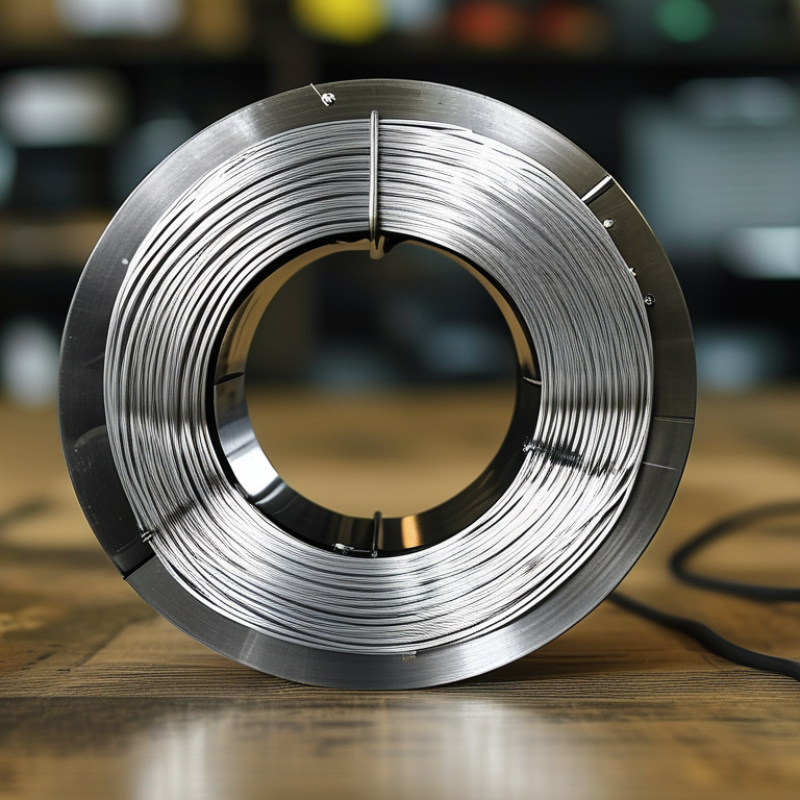
When considering titanium coil wire, it's essential to recognize the various types and grades available. Each type serves distinct purposes based on composition, strength, and flexibility. For instance, commercially pure titanium is popular for its corrosion resistance and biocompatibility. It is commonly used in medical applications, such as dental implants. Conversely, titanium alloys, like Ti-6Al-4V, offer greater strength, making them suitable for aerospace and automotive uses.
Understanding the grades of titanium wire is equally important. Grades range from Grade 1, the softest, to Grade 5, the strongest. Grade 2 is often the go-to for general applications. It's reliable and well-rounded. Grade 5, while more robust, may not be necessary for every project. Choosing the correct grade often requires balancing strength against cost. Uninformed choices can lead to unnecessary expenses or project failures.
While the information provided is crucial, reflections on personal experiences with these materials can enhance understanding. For example, one might find that their initial preference for a higher-grade wire caused complications in a project. Figuring out the right grade can be tricky. It's worth taking time to research and evaluate. Ultimately, understanding the types and grades of titanium coil wire will better inform your selection process.
| Type | Grade | Applications | Tensile Strength (MPa) | Weight (g/m) |
|---|---|---|---|---|
| Titanium Grade 1 | Commercially Pure | Aerospace, Marine | 240 | 45.0 |
| Titanium Grade 2 | Commercially Pure | Chemical Processing, Marine | 350 | 47.5 |
| Titanium Grade 5 | Ti-6Al-4V | Aerospace, Medical | 900 | 49.5 |
| Titanium Grade 7 | Ti-0.2Pd | Chemical Processing | 340 | 46.5 |
| Titanium Grade 9 | Ti-3Al-2.5V | Aerospace, Automotive | 860 | 48.0 |
: Identify your application first, as different uses require different specifications.
Wire diameter, purity, and environmental conditions influence performance.
Higher purity increases corrosion resistance and enhances durability.
Thicker wires are stronger, while thinner wires heat up quickly but may burnout faster.
Yes, unexpected reactions can occur, potentially affecting performance.
Look for certified suppliers with strong customer reviews and detailed product specs.
No, some reviews can be misleading. Scrutinize feedback for authenticity.
Reflect on previous issues and outcomes to make better future choices.
Select titanium wires specifically designed for high-temperature resistance.
Local suppliers offer convenience, but online platforms may provide better selection and reviews.
When selecting the best Titanium Coil Wire for your projects, it's essential to understand the various types and grades available. Begin by evaluating your specific needs, which may include factors such as application, compatibility with other materials, and desired performance characteristics. Key factors to consider include the wire's durability, resistance to corrosion, and overall performance in different environments.
Additionally, comparing the durability and performance of different Titanium coil wires can help you make a more informed decision. Finally, identifying reliable sources for high-quality Titanium Coil Wire is crucial to ensure that you obtain a product that meets your project requirements effectively. By considering these elements, you can select the right Titanium Coil Wire that fulfills your needs and enhances your project outcomes.

 ProX Metal