When selecting materials for your project, the ASTM B265 Titanium Sheet stands out. This specification indicates a grade of titanium with impressive strength-to-weight ratios. According to the Titanium Association, titanium's average tensile strength exceeds 900 MPa, making it suitable for demanding applications in aerospace and medical fields.
Choosing the right sheet requires understanding specific project needs. ASTM B265 Titanium Sheets are categorized by thickness and alloy type, impacting performance. The International Titanium Association reports that proper selection can reduce maintenance costs by 30%. However, selecting the wrong sheet may lead to structural failures or project delays.
Experience shows that sourcing from reputable suppliers ensures material quality and compliance with ASTM standards. Evaluating certification and testing documents is vital. The right choice can enhance project efficiency, while oversights can undermine your objectives. Understanding these nuances is essential for achieving the best results.
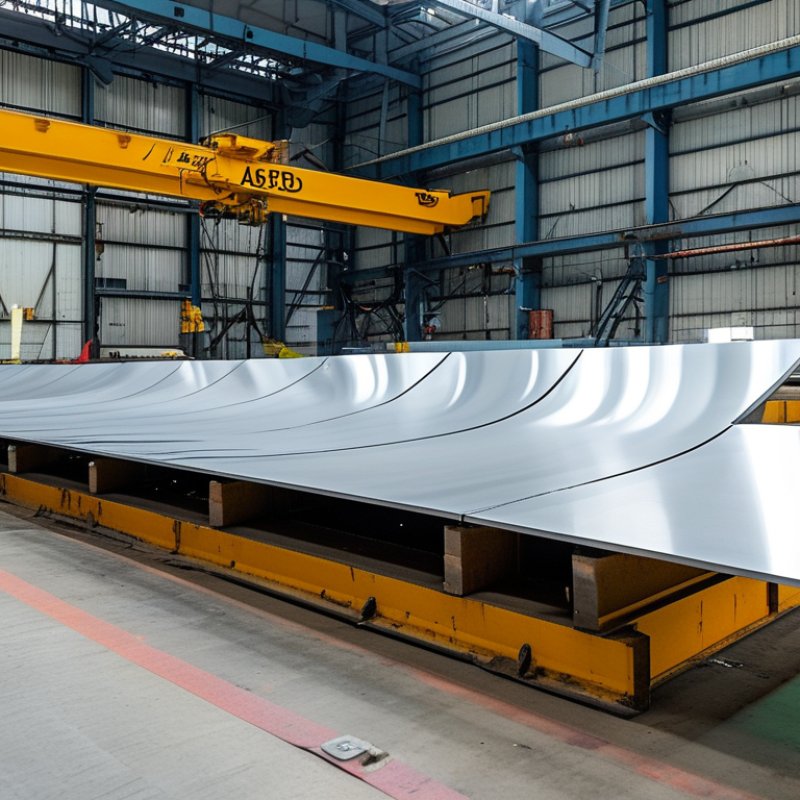
Understanding ASTM B265 Standards for Titanium Sheets
Understanding ASTM B265 standards is crucial when selecting titanium sheets for various projects. ASTM B265 outlines specifications for titanium and titanium alloy sheets, focusing on their mechanical properties, chemical composition, and dimensions. According to industry reports, titanium offers high strength-to-weight ratios, making it invaluable in aerospace and medical applications.
Titanium sheets classified under ASTM B265 can range in thickness from 0.5 mm to over 10 mm. The standard defines several grades, with Grade 1 being the most pure and ductile, while Grade 5 contains 6% aluminum and 4% vanadium, enhancing strength. Each grade serves distinct applications. For example, Grade 5 is popular in aerospace for its high strength.
While ASTM B265 sets a benchmark, it is essential to remain critical of discrepancies in manufacturer specifications. Variability in processing can lead to differences in performance. Always verify the material's traceability and source. These factors can significantly impact project outcomes. Therefore, understanding ASTM B265 is not just beneficial—it’s essential for achieving efficiency and safety in your designs.
Identifying Key Properties of Titanium Sheets for Project Needs
When selecting ASTM B265 titanium sheets, understanding their key properties is crucial for your project. Titanium sheets are known for their strength, light weight, and corrosion resistance. These traits make them suitable for various applications, from aerospace to medical industries. However, not all titanium sheets are created equal.
Consider the thickness and width of the sheet. These measurements greatly influence its application. A thicker sheet offers more strength but can be heavier. Conversely, a thinner sheet is easier to work with but may lack the required durability. The alloy composition also affects properties like weldability and fatigue strength. Keep these factors in mind as they can make or break your project's success.
**Tips**: Test small samples before committing to large orders. This step saves time and resources. Review technical specifications to ensure compliance with your standards. Collaborate with experienced engineers when in doubt about material choices.
Ultimately, it's essential to balance your project's needs with the available titanium sheet options. Take the time to assess both the performance and cost factors. This reflection can lead to better decision-making in material selection. Each project requires a tailored approach based on specific demands and conditions. Always prioritize functionality and safety above all else.
How to Choose ASTM B265 Titanium Sheet for Your Project? - Identifying Key Properties of Titanium Sheets for Project Needs
| Property |
Description |
Importance |
| Density |
Typically around 4.5 g/cm³, lightweight compared to steel. |
Critical for applications where weight savings are important. |
| Corrosion Resistance |
Highly resistant to corrosion in a variety of environments. |
Essential for marine, chemical processing, and medical applications. |
| Strength-to-Weight Ratio |
High strength with a lower weight compared to other metals. |
Important for aerospace and automotive components. |
| Alloy Types |
Various alloys available (e.g., Grade 2, Grade 5) for different properties. |
Selection based on specific project requirements and performance. |
| Fabrication Characteristics |
Behavior during machining and welding. |
Good understanding helps in planning manufacturing processes. |
| Thermal Conductivity |
Lower than most metals, affecting heat transfer applications. |
Consider for applications involving thermal management. |
Evaluating Thickness and Size Specifications for Your Application
When selecting ASTM B265 titanium sheets, size and thickness are critical factors. The thickness of titanium sheets typically ranges from 0.016 inches to 0.156 inches, impacting strength and weight. For applications in aerospace, a thickness of around 0.125 inches is often preferred due to its ideal balance of strength and flexibility. According to industry reports, choosing the right thickness can lead to a 25% increase in structural integrity in certain critical applications.
Size specifications also play a significant role. Common widths include 48 inches and 60 inches, with lengths varying from 120 to 144 inches. However, custom dimensions are increasingly popular. A report from ASTM International notes that custom sizing can reduce waste by up to 30%, enhancing project efficiency.
Investing in the appropriate size and thickness can prevent costly mistakes. If the thickness is inadequate, the sheet may fail under stress. Conversely, if it's too thick, it can be unnecessarily heavy. Always consult with experts or engineers to match specifications to project needs effectively. Inconsistent measurements or inadequate assessments can hinder project success.
Selecting the Right Grade of Titanium for Durability and Performance
Choosing the right grade of titanium is crucial for project success. Titanium offers excellent strength-to-weight ratios, but not all grades meet specific needs. The most common grades include Grade 1, Grade 2, and Grade 5, each offering unique properties.
Grade 1 is the softest and most ductile. It’s suitable for applications requiring excellent corrosion resistance. However, it may not provide the strength needed for high-stress environments. In contrast, Grade 5 is an alloy that combines titanium with aluminum and vanadium. It has higher strength but may be harder to work with. Selecting the right grade depends on the project's specific demands.
Ensuring durability and performance is non-negotiable. A misguided choice can lead to project failures and financial losses. Carefully assess operating conditions and stress factors. Remember that initial cost savings could result in future setbacks. Balancing immediate needs with long-term performance is essential. Titanium’s benefits can be great, but the wrong selection can lead to reflection on needed improvements.
Comparison of ASTM B265 Titanium Sheet Grades
This bar chart displays the tensile strength and corrosion resistance ratings of different grades of ASTM B265 titanium sheets. Selecting the right grade can significantly impact the durability and performance of your projects.
Cost Considerations and Sourcing Options for ASTM B265 Titanium Sheets
When considering ASTM B265 titanium sheets for your project,
cost is a major factor. Prices can vary significantly based on
thickness, size, and quality. Small orders may incur
higher per-unit costs. Bulk purchases often lead to savings.
Compare quotes from multiple suppliers to find competitive pricing. Be aware of
market fluctuations that can affect your budget.
Sourcing options are also crucial. Online platforms offer a wide range of suppliers.
However, local suppliers may provide benefits such as
faster shipping and reduced shipping costs.
Investigate suppliers' reputation by reading reviews and testimonials. Ensure they have a
track record of fulfilling orders on time and meeting quality standards.
Keep in mind that titanium is a specialized material.
Not all suppliers may stock ASTM B265 sheets. This can add
lead time to your project. Understanding the sourcing landscape can help you plan accordingly.
Be prepared for unexpected challenges in your procurement process.
Conclusion
When choosing an ASTM B265 Titanium Sheet for your project, it’s essential to first understand the standards set forth in ASTM B265, which outline the specifications for titanium sheets used in various applications. Key properties of titanium, such as strength, corrosion resistance, and weight, should be closely evaluated to ensure they meet the specific needs of your project.
Additionally, thickness and size are critical factors that can impact the performance of the titanium sheet, depending on the intended application. Selecting the right grade of titanium is crucial for ensuring durability and performance, as different grades offer varying levels of strength and resistance. Finally, consider cost implications and sourcing options to find the best balance between quality and budget when procuring ASTM B265 Titanium Sheets for your needs.

 ProX Metal