Choosing the right welding wire can significantly impact your project's success. Ti64 1.4mm Welding Wire is a popular choice for various applications, especially in titanium welding. It offers excellent strength and corrosion resistance. However, selecting the appropriate wire goes beyond just picking a size.
When considering Ti64 1.4mm Welding Wire, you should evaluate your project requirements. Factors like base metal thickness and joint configuration play a crucial role. Your experience and knowledge also influence this decision. Understand the specific characteristics of the wire, such as its melting point and weldability.
It's essential to recognize that not all projects may require Ti64 1.4mm Welding Wire. Sometimes, alternative wires may provide better results depending on the material and environment. Reflect on past experiences and adjust your choice accordingly. Ultimately, a thoughtful selection can lead to improved performance and durability in your welding projects.
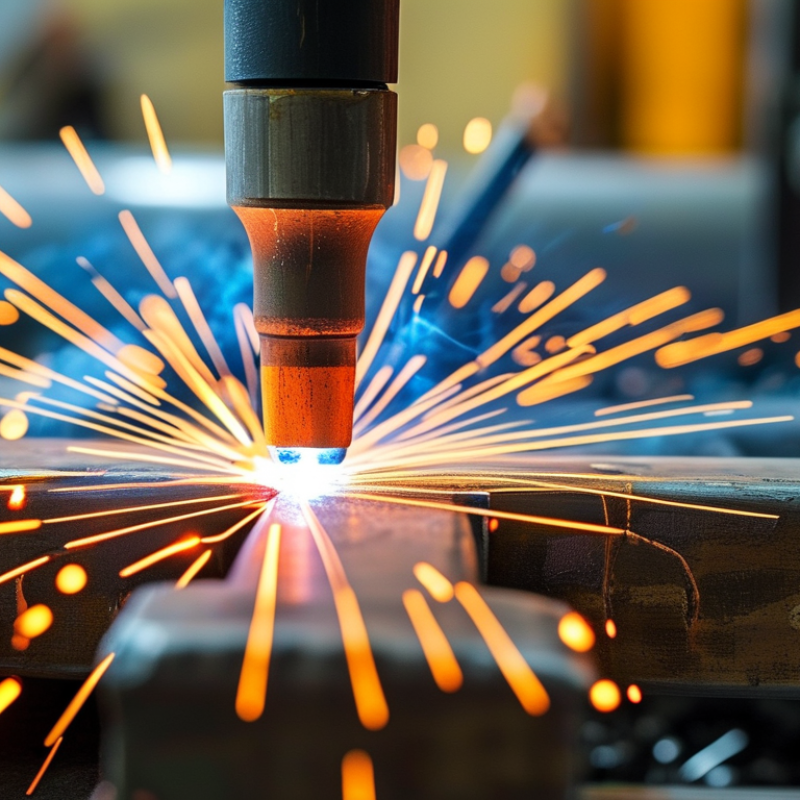
Ti64 1.4mm welding wire is a titanium alloy that offers excellent strength and corrosion resistance. This material is frequently used in aerospace and biomedical applications. Its high strength-to-weight ratio makes it ideal for components that require durability without adding excess weight. Understanding how to select the appropriate welding wire for your project is essential for achieving optimal results.
When choosing Ti64 1.4mm welding wire, consider the specific application. Factors such as desired temperature resistance, fabrication methods, and the environment in which the component will operate are crucial. The wire’s chemical composition directly affects its performance. Not all titanium alloys are the same; thus, thorough research is necessary. Testing different wires may yield surprising insights into how well a chosen wire fits your project needs.
It's important to remember that even the best equipment can yield less-than-perfect results. There may be challenges in achieving consistent weld quality. Welding parameters like voltage and feed speed need careful adjustment for successful outcomes. Learning from mistakes is part of the process. Each project can serve as an opportunity to enhance your skills and understanding of Ti64 welding wire.
When choosing Ti64 1.4mm welding wire, several key factors come into play. The composition of the wire greatly influences its performance. Ti64, an alloy of titanium with 6% aluminum and 4% vanadium, exhibits excellent strength-to-weight ratios. According to a report from the International Journal of Advanced Manufacturing Technology, Ti64 welding wire offers a tensile strength of up to 900 MPa. This makes it suitable for high-stress applications in aerospace and biomedical fields.
Welding parameters, such as temperature and speed, are also critical. Incorrect settings can lead to defects like porosity or weak joints. A study from the Welding Research Institute found that optimal temperature settings can improve weld quality by over 30%. Additionally, consider the intended application. Different environments require different wire characteristics. For instance, high corrosion resistance is vital in marine environments.
Quality assurance is often overlooked but essential. Look for wires that comply with industry standards like AMS 4955. This ensures reliability and performance. User reviews and feedback can also provide valuable insights. Remember, making an informed choice can significantly impact your project's success. It's worth investing time to research and reflect on your specific needs.
When considering Ti64 1.4mm welding wire, it's essential to compare it with other welding wires. Ti64 is known for its excellent strength-to-weight ratio. It also has good corrosion resistance. However, it’s crucial to evaluate how it stacks up against alternatives like 4047 aluminum or ER309 stainless steel.
The choice of welding wire impacts project durability. While Ti64 may perform well in aerospace applications, it might not always be the best option for general fabrication work. Other wires, like 4047 aluminum, can offer better thermal conductivity. This feature can improve the welding process in specific projects. Stainless steel wires, like ER309, excel in high-temperature settings where heat resistance is critical.
Not all projects require the premium features of Ti64. In some cases, using a cheaper or more accessible material can be a wiser choice. Assessing the specific requirements and challenges of your project is vital. Each welding wire has unique characteristics that can benefit various applications. Understanding these differences is key to making an informed selection.
| Welding Wire Type | Tensile Strength (MPa) | Elongation (%) | Melting Point (°C) | Common Applications |
|---|---|---|---|---|
| Ti64 1.4mm | 900 | 8 | 1660 | Aerospace, Medical Implants |
| E308L Stainless Steel | 620 | 15 | 1400 | Food Processing, Chemical Industries |
| ER70S-6 Mild Steel | 485 | 22 | 1425 | Automotive, Structural Fabrication |
| AWS A5.28 ERNiCrMo-3 | 780 | 30 | 1420 | Oil & Gas, Power Generation |
Storing and handling Ti64 1.4mm welding wire requires attention to detail. The material is primarily used for titanium alloys, making it sensitive to environmental factors. Proper storage conditions can significantly impact its quality and usability.
Keep the welding wire in a dry, temperature-controlled environment. Moisture can cause contamination, leading to weld defects. According to industry data, nearly 60% of welding failures stem from improper material handling. Use sealed containers or vacuum packs to prevent moisture ingress. If exposed to humidity, the wire can become less effective.
When handling the wire, wear gloves to avoid oils and dirt transfer. Even small contaminants can affect the weld integrity. Follow recommended safety protocols as outlined by the American Welding Society. Regularly check your supply for any signs of wear or corrosion. It's crucial to practice these habits for reliable welding outcomes. However, many professionals often overlook these details. Rethinking storage approaches can enhance performance significantly.
When working with Ti64 1.4mm welding wire, several challenges may arise. One common issue is contamination. Titanium is susceptible to impurity absorption during the welding process. According to a 2022 report by the American Welding Society, 85% of welders face contamination problems, leading to weaker joints. Employing proper shielding gas and ensuring a clean workspace can mitigate this risk.
Another challenge involves maintaining a stable arc. Fluctuations can occur due to the wire feed speed or inconsistent power settings. A survey from the Fabricators and Manufacturers Association indicated that 65% of welders experience this issue with titanium alloys. Regular equipment maintenance and adjustment of the wire feed speed can help achieve smoother arcs and better weld quality.
Lastly, the heat input should be carefully managed to avoid warping. Overheating can weaken the material's structural integrity. It’s essential to monitor your torch speed and maintain appropriate travel speeds. Adjusting these parameters may require practice and careful consideration to ensure optimal results. Reflecting on past projects can provide valuable insights for improvement.
: The wire's composition, welding parameters, and intended application play key roles in its performance.
Compliance with industry standards ensures reliability and performance, reducing the risk of welding failures.
Store it in a dry, temperature-controlled environment to avoid moisture contamination that can lead to defects.
Contamination, unstable arcs, and overheating are frequent challenges during the welding process.
Using proper shielding gas and ensuring a clean workspace can significantly reduce contamination risks.
Humidity can degrade the wire's effectiveness and lead to defects in welding quality.
Overheating can warp materials and compromise their structural integrity, affecting weld quality.
Regular equipment maintenance and proper adjustment of the wire feed speed can help achieve stable arcs.
Wearing gloves to avoid transferring oils and dirt is vital for maintaining weld integrity.
Reflecting can provide insights for improvement, helping to address challenges more effectively in future projects.
The article "How to Choose Ti64 1.4mm Welding Wire for Your Projects?" provides valuable insights into the selection and application of Ti64 1.4mm Welding Wire. It begins with an overview of the wire's properties and its suitability for various projects, particularly in industries like aerospace and automotive. The factors to consider when choosing this specific wire include its mechanical properties, compatibility with base materials, and the expected welding conditions.
Additionally, the article compares Ti64 1.4mm Welding Wire with other welding wires, highlighting its advantages and limitations. Practical tips for proper storage and handling of the wire are discussed to ensure optimal performance. Finally, the article addresses common challenges faced when using Ti64 1.4mm Welding Wire and offers solutions to enhance the effectiveness of welding projects. Overall, this comprehensive guide serves as a crucial resource for professionals seeking to make informed decisions in their welding applications.

ProX Metal