China Top ASTM B348 Titanium Bar Supplier for Global Buyers?

Time:2026-06-10 Author:Sophia
0%

The global demand for high-quality titanium products has led to a surge in interest in ASTM B348 Titanium Bar. As a leading supplier, China has positioned itself strategically in this market. The ASTM B348 standard ensures the material's quality, performance, and reliability, crucial for various applications, from aerospace to medical industries.

Chinese manufacturers are leveraging advanced technology and expertise. They offer competitive pricing without compromising quality. However, potential buyers must navigate challenges, such as verifying suppliers’ certifications and assessing their production capabilities. Misunderstanding these aspects can lead to costly decisions.

While China's prominence in titanium bar supply is clear, not every supplier meets international standards. Buyers should conduct thorough research. Trustworthy partnerships are built on reliability and quality assurance. Engaging with knowledgeable sources can make a significant difference in sourcing ASTM B348 Titanium Bar effectively.
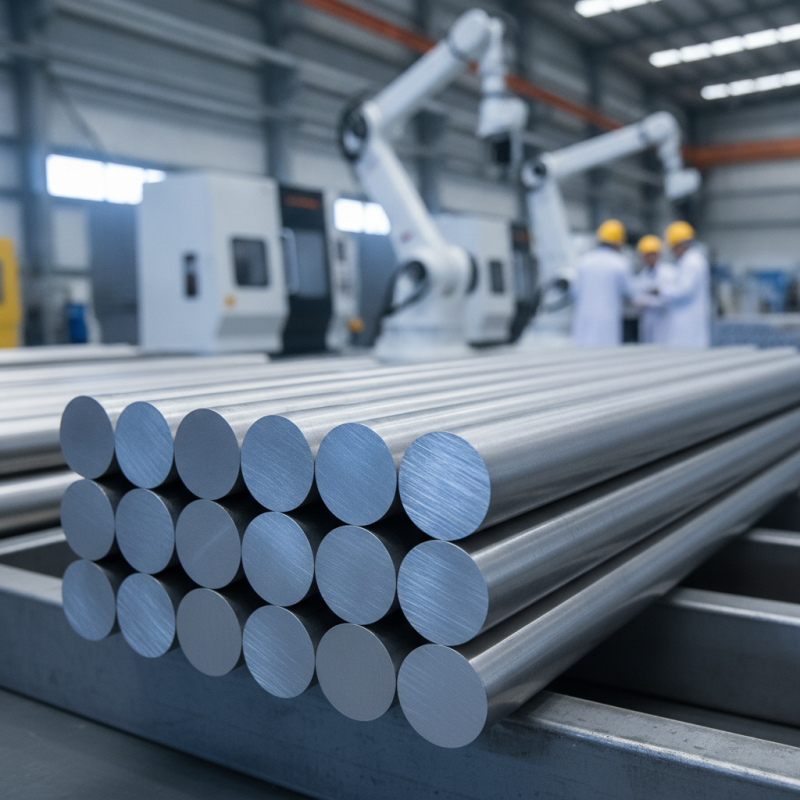
China Top ASTM B348 Titanium Bar Supplier for Global Buyers?

China's Leading Role in Global Titanium Bar Supply Chain

China has emerged as a dominant player in the global titanium bar supply chain. This development stems from extensive investments in production facilities and technologies. Chinese manufacturers now lead in quality and volume, producing a wide range of titanium bars. They cater to various industries, including aerospace, medical, and automotive.

Moreover, the availability of raw materials and skilled labor has bolstered China's position. The nation’s focus on efficiency and innovation contributes to its global competitiveness. However, challenges remain. Quality control can vary among suppliers, leading to inconsistent products. Buyers must navigate this landscape carefully to ensure reliability in their sourcing.

Trustworthy suppliers are essential in this market. Relationships based on transparency and communication can mitigate risks. Companies must conduct thorough evaluations before partnering with manufacturers. As the demand for titanium bars grows, China’s role will only strengthen, but maintaining high standards will be crucial for sustained success.

China Top ASTM B348 Titanium Bar Supplier for Global Buyers? - China's Leading Role in Global Titanium Bar Supply Chain

Country Annual Consumption (Tonnes) Major Applications Import Percentage Leading Supplier Regions
USA 5,000 Aerospace, Medical 60% China, Japan
Germany 4,500 Automotive, Industrial 55% China, UK
Japan 3,800 Electronics, Aerospace 70% China, USA
UK 2,900 Medical, Defense 65% China, EU
France 2,500 Aerospace, Chemical 50% China, USA

Overview of ASTM B348 Standards for Titanium Bars

The ASTM B348 standard outlines the specifications for titanium bars, crucial for various industrial applications. This standard ensures consistency in the quality and performance of titanium products. It encompasses multiple grades of titanium, including commercially pure titanium and alloys. The grading system helps buyers select the right material for their specific needs.

Understanding the ASTM B348 standards is essential for global buyers. These standards specify mechanical properties, chemical composition, and manufacturing processes. For example, the tensile strength and elongation are critical parameters for assessing the bar's durability. However, manufacturers sometimes face challenges in meeting these requirements consistently. It is vital for buyers to verify the certification and quality assurance practices of suppliers, especially in regions with varying compliance levels.

Selecting a reliable supplier is not always straightforward. Price variations can indicate differences in quality and adherence to ASTM standards. Buyers should request mill test reports to ensure compliance. Reviewing past performance and client feedback can provide insights into a supplier's reliability. Despite rigorous standards, occasional deviations can occur, prompting ongoing vigilance throughout the procurement process. This careful approach helps ensure high-quality titanium bars that meet industry demands.

Key Features and Applications of Titanium Bars in Various Industries

Titanium bars are becoming essential in various industries due to their unique properties. These bars are lightweight, durable, and resist corrosion effectively. This makes them ideal for demanding environments. Many sectors, including aerospace, medical, and automotive, rely on titanium for innovative applications. Their strength-to-weight ratio exceeds that of steel, making them invaluable for applications requiring both performance and efficiency.

In the aerospace industry, titanium bars are critical. They are used in components that endure extreme heat and stress. The medical sector benefits from titanium's biocompatibility. Implants and surgical instruments made from titanium ensure safety and reliability for patients. In automotive manufacturing, titanium bars help produce lightweight parts that enhance fuel efficiency.

Tip: When sourcing titanium bars, ensure they meet industry standards. Certifications can indicate quality and reliability. Use reputable suppliers who can provide proof of material properties.

Proper handling is also crucial. Titanium can be prone to surface contamination. Take precautions to maintain cleanliness, especially during fabrication. Regularly inspect your titanium materials for any signs of wear or damage. This ensures the longevity of the components you're working with.

Criteria for Choosing a Reliable Titanium Bar Supplier in China

Choosing a reliable titanium bar supplier in China involves several key factors. First, it's vital to assess their experience in manufacturing ASTM B348 titanium bars. Experience often indicates a supplier's ability to meet stringent quality standards. A seasoned supplier can navigate potential challenges effectively and offer insights into the latest industry trends.

Next, check the certifications and compliance with international standards. A trustworthy supplier should possess necessary documentation. This includes quality management systems such as ISO certifications. Furthermore, consider their production capacity. A supplier that can rapidly scale up production to meet demand demonstrates reliability in fulfilling orders.

Additionally, customer reviews and testimonials are invaluable. They provide real-world insights into the supplier's reliability and service quality. However, not all reviews are genuine. Some may reflect biased opinions or promotional efforts. Hence, approach them with a critical mindset. Finally, effective communication is crucial in any business relationship. A responsive supplier can address concerns and adapt to your requirements promptly.

Market Trends and Future Outlook for Titanium Bar Exports from China

China has emerged as a pivotal player in the global titanium bar market. The country's expertise in metallurgy and production processes has positioned it as a top supplier for international buyers. Recent trends indicate a growing demand for titanium bars in various industries, including aerospace and medical. This rise is fueled by the material's excellent strength-to-weight ratio and corrosion resistance. Buyers from diverse regions are increasingly turning to China for reliable supply.

Nevertheless, the road ahead has its challenges. Quality control issues can arise, as not all suppliers adhere to rigorous ASTM standards. This inconsistency poses risks for buyers relying on titanium bars for critical applications. The industry must strive for enhanced quality assurance practices to address these concerns. Additionally, fluctuations in raw material prices may impact export pricing, creating uncertainty for global buyers. As the market evolves, collaboration between manufacturers and clients becomes essential to ensure reliable supply while maintaining high standards.

FAQS

: What is

STM B348?

Why is understanding ASTM B348 important for buyers?

Buyers need to know material specifications, including mechanical properties and chemical composition, for informed decisions.

What challenges do manufacturers face with ASTM B348 compliance?

Manufacturers sometimes struggle to consistently meet the required standards, leading to potential quality issues.

How can buyers verify supplier reliability?

Buyers should request mill test reports and review past performance and client feedback to assess suppliers effectively.

What are the key features of titanium bars?

Titanium bars are lightweight, durable, and corrosion-resistant, making them suitable for demanding industrial environments.

How is titanium used in aerospace applications?

Titanium bars are crucial in aerospace for components that withstand extreme heat and stress during flight.

What benefits does titanium offer in the medical sector?

Titanium’s biocompatibility ensures safety for patients in medical implants and surgical instruments.

What market trends are visible in titanium bar exports from China?

There is growing demand for titanium bars globally, especially in aerospace and medical industries from Chinese suppliers.

What are the potential risks in sourcing titanium from suppliers?

Inconsistent adherence to ASTM standards can create quality control issues, posing risks for buyers.

How can buyers ensure proper handling of titanium bars?

Maintain cleanliness during fabrication and regularly inspect for signs of wear to ensure longevity and performance.

Conclusion

China has established itself as a leading supplier in the global titanium bar market, particularly for ASTM B348 Titanium Bar, which adheres to specific standards ensuring quality and performance. The ASTM B348 standards set clear guidelines for the mechanical properties and chemical composition of titanium bars, making them suitable for various industrial applications, including aerospace, medical devices, and marine environments.

When sourcing ASTM B348 Titanium Bars from Chinese suppliers, buyers should consider several factors such as the supplier's reputation, production capabilities, and adherence to international standards. Current market trends indicate a growing demand for high-quality titanium bars, with projections suggesting continued expansion of exports from China. As industries increasingly recognize the advantages of titanium, the supply chain's role is poised to strengthen, positioning China as a key player in meeting global demands.


Sophia

Sophia

Sophia is a dedicated marketing professional with an exceptional depth of knowledge about her company's products and services. With a keen understanding of market trends and customer needs, she crafts insightful blog posts that not only inform but also engage readers, enriching the company’s online......