The demand for Titanium Welding Wire is experiencing significant growth, driven by various industries such as aerospace, automotive, and medical sectors. According to a recent market analysis by Smithers Pira, the global titanium welding wire market is expected to reach $1.5 billion by 2026. This presents an opportunity for buyers to explore quality options that meet rigorous standards.
Dr. Emily Keller, a renowned expert in titanium metallurgy, emphasizes the importance of selecting the right welding wire. She states, "The choice of Titanium Welding Wire can significantly influence the quality of the final product." Choosing high-quality wire ensures better weld integrity and performance across applications.
The challenge lies in navigating through a saturated market. Many suppliers offer varying grades, which can complicate decision-making for global buyers. It is essential to balance price, quality, and availability. Buyers must remain vigilant to avoid inferior products that could jeopardize project outcomes. Reliable sourcing of Titanium Welding Wire is not merely advantageous; it is crucial for maintaining operational excellence.
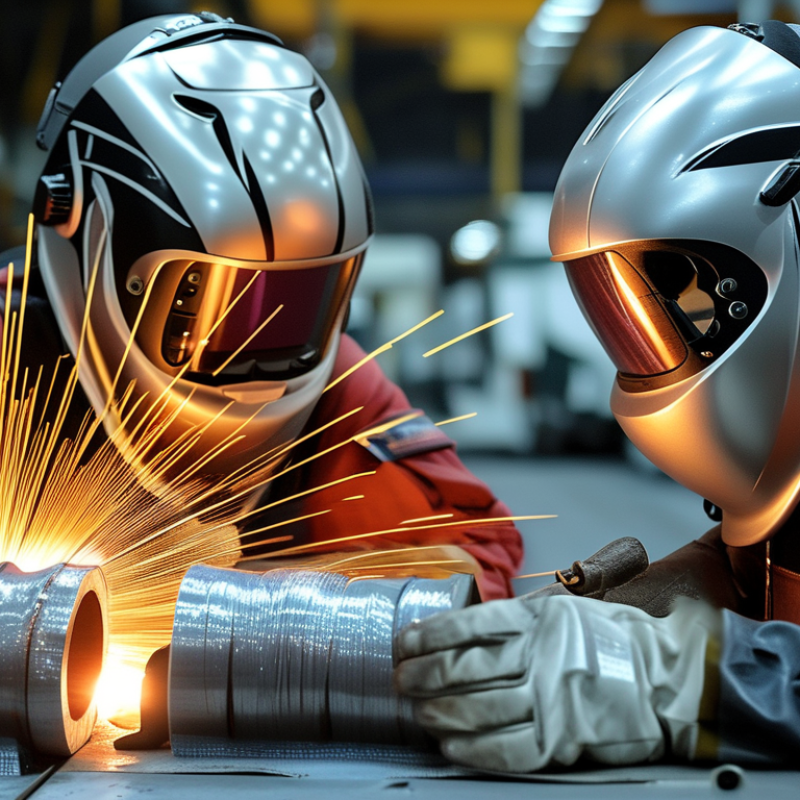
In 2026, the landscape of titanium welding wire types is expanding. Numerous industries utilize these materials due to their unique properties, such as resistance to corrosion and lightweight characteristics. The aerospace sector, accounting for over 40% of titanium consumption, relies heavily on titanium welding wires. These wires facilitate robust and lightweight connections essential for aircraft and spacecraft components.
A variety of titanium welding wires are available on the market. Grade 5 titanium wire is one of the most commonly used types, known for its strength and ductility. Its applications range from marine environments to pressure vessels and automotive components. Reports suggest that the demand for titanium alloy wires will grow significantly, potentially reaching a 7% increase by 2026. However, consistency in quality remains a concern for manufacturers, especially when sourcing materials globally.
Moreover, innovation in welding techniques is changing application methods. Advanced techniques, like laser welding and electron beam welding, are gaining traction. These methods enhance the precision of welds and reduce the chances of defects. However, training and expertise remain crucial. It’s essential for professionals to master these techniques to leverage the full potential of titanium welding wires. Balancing cost and quality presents another challenge for buyers navigating the dynamic market landscape.
| Wire Type | Diameter (mm) | Alloy Composition | Application | Melting Point (°C) | Ideal Welding Process |
|---|---|---|---|---|---|
| ER Ti-2 | 1.0 | Ti-6Al-4V | Aerospace, Medical | 1660 | GTAW, GMAW |
| ER Ti-1 | 1.2 | Ti-CP | Marine, Chemical Processing | 1660 | GTAW |
| ER Ti-5 | 1.6 | Ti-5Al-2.5Sn | Aerospace, Oil and Gas | 1660 | GTAW, GMAW |
| ER Ti-6 | 0.8 | Ti-6Al-4V ELI | Biomedical | 1660 | GTAW |
: Titanium welding wires are used in aerospace, automotive, and medical industries due to their lightweight and corrosion-resistant properties.
Grade 5 titanium wire is widely used for its strength and ductility, applicable in various environments and components.
Yes, the market is expected to grow at a CAGR of 6% from 2023 to 2026, indicating increasing demand.
Higher quality often correlates with higher prices. Lower-cost options may not meet strict quality standards, risking performance issues.
Techniques like laser welding and electron beam welding enhance precision and reduce defects but require skilled professionals.
Yes, achieving uniform quality and balancing cost with quality remain significant challenges for manufacturers and buyers.
Hybrid welding methods are being developed, combining different metals to optimize strength and durability in projects.
Projects must balance material benefits with budget constraints to avoid excessive costs or inferior performance.
Ignoring innovations can lead to missed opportunities to improve project efficiency and overall quality.
In 2026, the landscape of Titanium Welding Wire continues to evolve, showcasing diverse types and applications that cater to various industrial needs. Understanding the different types of Titanium Welding Wire, along with their specific uses in sectors such as aerospace, automotive, and medical, is crucial for global buyers. This year emphasizes the importance of selecting the right wire based on key factors, including material compatibility, welding techniques, and environmental conditions.
As markets grow, the comparative analysis of price and quality becomes essential for buyers aiming for cost-effective solutions without compromising on performance. Moreover, future trends indicate a significant shift towards advanced technologies in Titanium Welding Wire production, enhancing its efficiency and usability. Buyers are encouraged to stay informed about these developments to make educated choices that align with industry standards and expectations.

 ProX Metal