In the world of thermal engineering, the use of Heat Exchangers Titanium Sheet has garnered significant attention. Renowned expert Dr. James Harper, a leading authority in heat transfer technologies, states, "Titanium's unique properties make it the ideal choice for effective heat exchange." This highlights the material's relevance and growing importance in modern applications.
Heat exchangers are pivotal in various industries, from oil and gas to food processing. The choice of material directly influences efficiency and durability. Titanium sheets stand out due to their exceptional resistance to corrosion and high temperatures. This makes them a reliable choice for demanding environments.
Despite their advantages, some may overlook the costs associated with titanium. It’s essential to weigh the upfront investment against the long-term savings in maintenance and energy efficiency. The shift towards Heat Exchangers Titanium Sheet may not be the easiest decision, but the benefits can be substantial. Exploring the top ten benefits of this material can offer insight into its transformative potential in heat exchange systems.
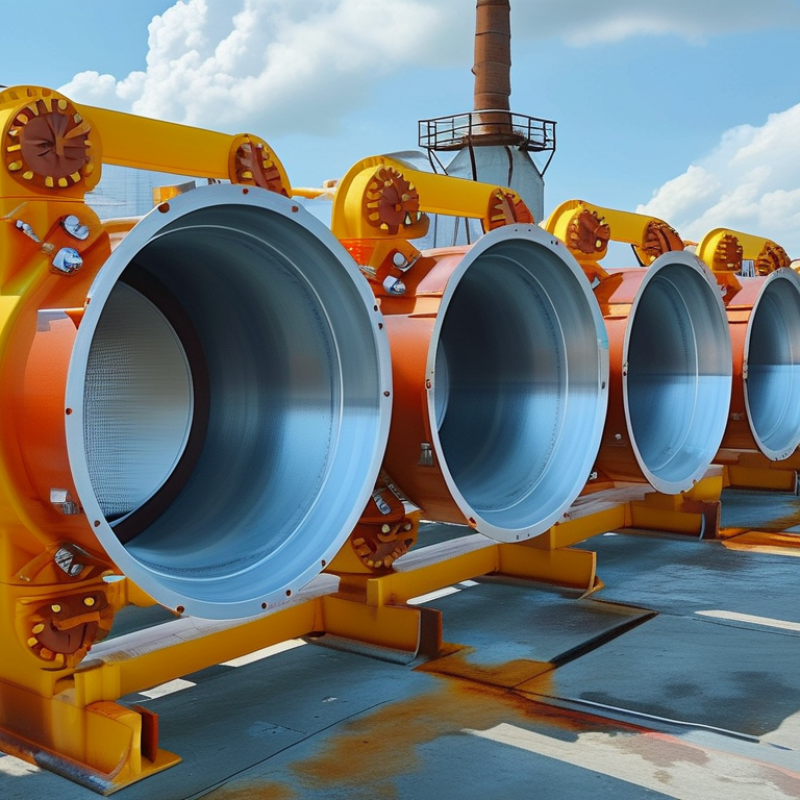
Titanium sheets are increasingly favored in heat exchanger applications. Their impressive strength-to-weight ratio enhances durability. These sheets resist corrosion, even in harsh environments. This characteristic extends the lifespan of heat exchangers. Effectively, they require less frequent replacements. Additionally, titanium's excellent thermal conductivity improves heat transfer efficiency. This results in better performance overall.
Yet, using titanium sheets is not without challenges. They can be more expensive than conventional materials. This initial investment often raises concerns. However, the long-term savings in maintenance and replacement costs may offset this. Moreover, titanium requires special handling during fabrication. Its properties can complicate the welding process. This expertise is essential to ensure optimal performance.
Despite these challenges, the advantages are compelling. Titanium is lightweight compared to other metals. This feature enables easier installation and reduced structural load. Furthermore, its resistance to biofouling is significant. It minimizes maintenance issues and downtime. Companies exploring heat exchanger solutions should critically evaluate these factors, weighing costs against benefits.
Titanium sheets are increasingly popular in heat exchangers, especially for their enhanced corrosion resistance in harsh environments. This resistance allows them to withstand aggressive mediums. In many industrial settings, materials often face exposure to acids, salts, and other corrosive substances. Titanium remains unaffected by these elements, ensuring longevity and reliability.
The strength-to-weight ratio of titanium is another notable feature. It is lightweight but incredibly strong, making it ideal for demanding applications. However, the high cost of titanium can be a drawback. Companies must weigh the benefits against the investment required. Moreover, while titanium works well under extreme conditions, it can be challenging to machine and fabricate. This can lead to increased production times and costs.
When using titanium sheets, proper surface preparation is vital. Inadequately prepared surfaces can suffer from issues like poor adhesion or unexpected failures. Regular maintenance checks are essential to ensure optimal performance. Investing in training for staff handling these materials is equally important. This knowledge can significantly impact the effectiveness of titanium in real-world applications. Consider all factors before fully committing to titanium sheets for your heat exchanger projects.
Titanium sheets are gaining attention in the heat exchanger industry due to their unique thermal conductivity properties. Compared to conventional materials like stainless steel, titanium offers superior heat transfer efficiency. This efficiency is essential in various applications, from power generation to chemical processing. With a lower thermal expansion coefficient, titanium minimizes stresses during heating and cooling cycles. This characteristic enhances the lifespan and performance of heat exchangers.
Moreover, titanium's resistance to corrosion is a notable advantage. In many settings, traditional materials can degrade quickly due to harsh conditions. In contrast, titanium withstands these challenges, ensuring consistent performance. The reduced need for maintenance cuts operational costs. However, the initial investment in titanium may be higher than that of conventional materials. It is vital to consider long-term benefits versus upfront costs. Each application demands careful evaluation to maximize efficiency.
The integration of titanium in heat exchanger designs calls for a shift in thinking. Engineers and designers must embrace this material's benefits while acknowledging its challenges. Adapting to titanium requires training and experience, which may not be readily available. Balancing these factors is crucial for optimizing design solutions. The potential of titanium in thermal applications is exciting but requires thoughtful implementation.
Titanium sheets offer significant weight reduction advantages over traditional metals, which is crucial in the design of heat exchangers. According to a study published by the International Journal of Heat and Mass Transfer, titanium's density is nearly 60% lower than that of stainless steel. This staggering difference allows engineers to design heat exchangers that are lighter and more efficient. The lower weight can lead to reduced transportation costs and easier installation, especially in applications where weight is a critical factor.
In terms of structural integrity, titanium maintains strength even at high temperatures. This is vital for heat exchangers which often operate under extreme conditions. Reports indicate that the tensile strength of titanium is approximately 30% higher than that of steel. This feature translates into thinner sheets that can withstand the same or even greater loads. While the upfront cost of titanium sheets may be higher, their longevity and reduced maintenance needs make them a smart investment in the long run. Yet, it is important to consider potential challenges with titanium, such as its weldability and reactive nature during fabrication. These factors require careful handling and may influence project timelines.
Titanium heat exchangers offer significant longevity and maintenance cost savings, making them an attractive option for various industries. A report from the International Journal of Heat and Mass Transfer highlights that titanium's corrosion resistance can lead to a lifespan exceeding 20 years in harsh environments. This is particularly advantageous for operations involving aggressive fluids, as traditional materials may corrode in under five years.
Moreover, maintenance costs for titanium heat exchangers are substantially lower. Data from a recent Equipment Reliability Report indicates that facilities using titanium experience, on average, a 30% reduction in maintenance interventions. This is crucial in industries like marine and chemical processing, where downtime can lead to substantial revenue losses. In addition, while titanium’s initial cost may be higher, its durability and minimal maintenance needs create long-term financial benefits.
However, one must consider the complexities involved in titanium fabrication. The welding process can be challenging, requiring skilled professionals and specialized techniques. This aspect may initially deter some operators. Yet, overlooking these considerations can result in significant advantages down the line, especially when evaluating the entire lifecycle of the equipment. Understanding these dynamics is essential for making informed decisions in heat exchanger applications.
Titanium is becoming a preferred choice in industrial applications, especially in heat exchangers. Its sustainability and recyclability significantly contribute to this trend. According to a 2021 report by the International Titanium Association, titanium has a recycling rate of up to 95%, making it one of the most recyclable metals in the industry. This high recyclability reduces the demand for virgin materials, leading to lower carbon emissions and less environmental impact.
In heat exchanger applications, titanium sheets resist corrosion, which prolongs their lifespan. Unlike other metals, titanium can withstand harsh environments without significant degradation. A study from the Journal of Cleaner Production indicates that using titanium can reduce maintenance costs by up to 30%. While this sounds promising, the initial cost of titanium remains high. Thus, manufacturers often grapple with weighing short-term costs against long-term benefits.
The efficiency of titanium in heat exchangers also ties into sustainability. Its lightweight nature allows for more efficient energy use during transport and installation. This aligns with global sustainability goals. However, challenges persist. The extraction and processing of titanium still consume considerable energy and resources. These factors demand ongoing improvements to enhance sustainability in titanium production for industrial applications.
| Benefit | Description | Sustainability Impact | Recyclability |
|---|---|---|---|
| Corrosion Resistance | Titanium sheets are highly resistant to corrosion, which increases longevity and reduces the need for replacements. | Extended lifespan reduces waste and resource consumption. | Titanium can be recycled efficiently with no loss of quality. |
| Weight Savings | Titanium is much lighter than steel, which can result in lower energy costs for transport and installation. | Less energy spent during transportation contributes to a lower carbon footprint. | Lightweight material can be recycled without needing heavy machinery. |
| High Strength | Titanium has a high strength-to-weight ratio, allowing for thinner sheets with the same performance. | Reduced material usage leads to better resource efficiency. | Quality remains intact in recycling processes. |
| Temperature Resistance | Titanium performs well under extreme temperatures, ideal for heat exchanger applications. | Increased efficiency in processes reduces energy waste. | Recyclability is not affected by heat exposure. |
| Lower Maintenance Costs | Fewer replacements and repairs necessary lead to significant cost savings over time. | Sustainable operational practices result from fewer maintenance interventions. | End-of-life materials can be repurposed. |
| Biocompatibility | Titanium is non-toxic, making it suitable for various applications, including medical. | Safe for use in sensitive environments boosts sustainability in industrial practices. | Recyclable without environmental risks. |
| Good Thermal Conductivity | Titanium sheets offer efficient thermal transfer, enhancing heat exchanger performance. | Increased efficiency means less energy consumption. | Material can be recycled without performance degradation. |
| Aesthetic Appeal | Titanium’s sleek finish and modern look are desirable in design-focused applications. | Aesthetic choices can influence sustainable design principles. | Recyclable materials enhance aesthetic sustainability. |
| Versatility | Can be used in various industries, from aerospace to marine applications. | Broader applicability promotes sustainable practices across sectors. | Recyclability across industries eases material repurposing. |
| Global Availability | Titanium is sourced worldwide, ensuring supply chain stability. | Stable supply supports sustainable operations. | Globally sourced titanium can enhance recyclability options. |
: Titanium sheets have a high strength-to-weight ratio, resist corrosion, and improve heat transfer efficiency.
Yes, they can be more expensive and require special handling during fabrication, complicating welding processes.
Titanium’s resistance to corrosion reduces maintenance needs, extending the lifespan of heat exchangers.
Companies must weigh the initial high cost against potential long-term savings in maintenance and replacement.
Yes, titanium is lightweight, which simplifies installation and reduces the overall structural load.
Poorly prepared surfaces can lead to adhesion issues and unexpected failures, impacting performance.
Titanium has a recycling rate of up to 95%, making it one of the most recyclable metals available.
Yes, its high recyclability lessens the need for new materials, which leads to lower carbon emissions.
The energy consumption during titanium extraction and processing poses sustainability challenges.
Definitely. Proper training ensures effective use and handling of titanium, improving performance outcomes.
The use of Heat Exchangers Titanium Sheet offers numerous advantages, making it an ideal choice for various industrial applications. One of the primary benefits is its enhanced corrosion resistance, which allows it to withstand harsh environments without degrading over time. This property is particularly valuable in industries where exposure to aggressive chemicals is common. Furthermore, titanium sheets provide superior thermal conductivity compared to traditional materials, resulting in more efficient heat transfer and overall improved performance of heat exchangers.
Additionally, titanium's lightweight nature contributes to design flexibility and reduces the overall weight of heat exchanger systems, which can lead to lower transportation and installation costs. The longevity of titanium sheets translates to significant maintenance cost savings over the lifespan of heat exchangers, making them a sustainable choice. Lastly, titanium is highly recyclable, aligning with modern sustainability practices in industrial applications, further emphasizing the practical and environmental benefits of using Heat Exchangers Titanium Sheet.

ProX Metal