Titanium foil is moving from a niche material to a strategic component in aerospace, medical, chemical, and energy systems. Global buyers now demand more than attractive pricing. They need stable thickness, certified chemistry, clean surfaces, and dependable delivery. The 2025 USGS Mineral Commodity Summaries highlights titanium sponge as a strategically important industrial input, with production concentrated among a limited group of countries. This concentration makes supplier qualification essential.
Quality begins with the mill.
A reliable Titanium Foil Manufacture should control melting, rolling, annealing, slitting, inspection, and packaging. Buyers should verify grade, thickness tolerance, tensile performance, surface condition, and batch traceability. ASTM B265 is commonly referenced for titanium sheet, strip, and plate requirements, although foil applications may require additional customer specifications. Reports from the International Titanium Association also emphasize titanium’s role in lightweight, corrosion-resistant engineering applications. Meanwhile, market studies from Grand View Research and Fortune Business Insights project continued growth in advanced titanium demand, particularly in aerospace and medical manufacturing. Their forecasts differ, however. Market estimates are not identical.
That matters.
This 2026 guide evaluates leading titanium foil manufacturers through practical criteria. These include production scale, alloy range, quality certifications, export experience, customization capability, and technical support. It also considers details that product pages often overlook, such as edge burrs, coil consistency, protective film, and moisture-resistant packing. No ranking is perfect. Regional strengths, confidential production data, and changing energy costs can influence the result. Buyers should therefore treat this list as a starting point, then request current test certificates, sample material, audit evidence, and realistic lead times before placing an order.
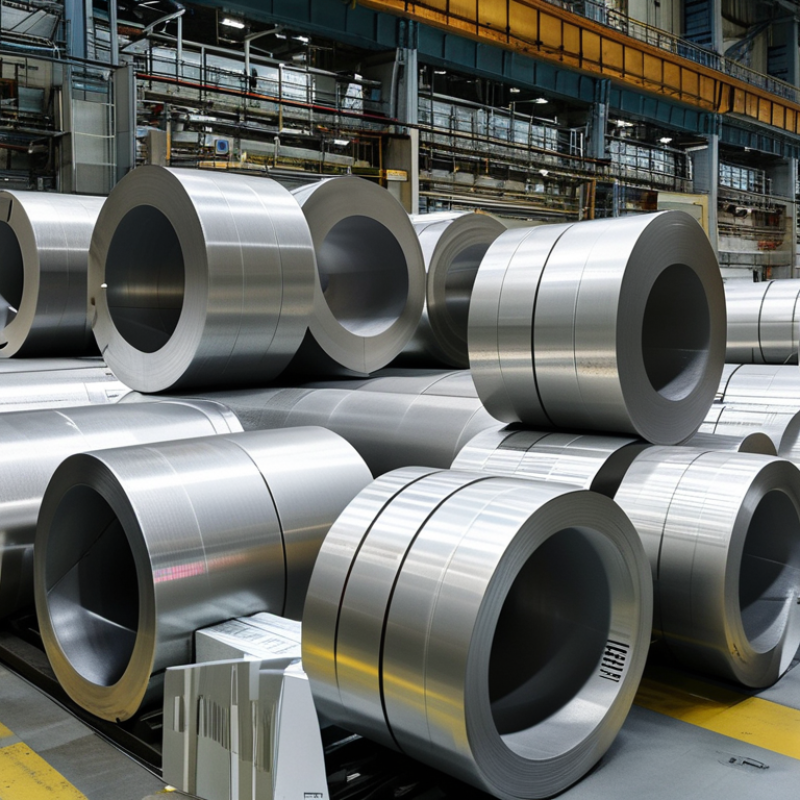
Titanium foil is valued for its low weight and strong corrosion resistance. Its commonly cited density is 4.51 g/cm³, nearly half that of many steel alloys. This figure helps buyers estimate coil weight, shipping loads, and material usage. However, density varies slightly with grade, processing, and measurement method. It should guide planning, not replace a certified material report.
Commercially pure Grades 1 through 4 offer different balances of formability and strength. Grade 1 is soft and highly workable, while Grade 4 provides greater strength. Grade 5, a titanium alloy, delivers much higher mechanical performance but reduced forming ease. Typical foil thicknesses range from about 0.01 to 0.30 mm. Thinner material demands tighter control of pinholes, wrinkles, and edge damage. Small defects matter.
In practical sourcing, I inspect thickness at several points across the strip, not only near the center. Flatness, surface cleanliness, burrs, and coil tension can affect assembly performance. ASTM B265 may support specification control, but buyers should confirm the exact edition and testing requirements. A recurring mistake is choosing a grade before defining the forming process. I have also seen weight estimates fail because width tolerance was ignored. That detail is easy to miss. Reliable purchasing records should state grade, thickness, width, temper, surface condition, tolerance, packaging, and inspection documents.
For global titanium foil buyers, ASTM B265 should anchor dimensional and material verification. It covers titanium and titanium alloy sheet, strip, and plate, including chemical composition, mechanical properties, and permitted tolerances. Foil orders need more than a mill certificate. Buyers should request lot traceability, thickness mapping, surface inspection, and tensile results from the supplied coil. The USGS Mineral Commodity Summaries 2025 estimated global titanium sponge production at about 280,000 metric tons in 2024. That scale supports supply, but it does not guarantee consistent foil quality.
Medical applications require tighter interpretation. ASTM F67 applies to unalloyed titanium for surgical implants, while ASTM F136 covers wrought titanium-6Al-4V ELI. These standards address chemistry, microstructure, and mechanical performance relevant to implant materials. ISO 6892-1 defines tensile testing methods for metallic materials at room temperature. Test speed, specimen direction, gauge dimensions, and laboratory calibration can change reported results. Small details matter.
A practical review should compare test reports with purchase specifications. Ask for heat numbers.
Independent laboratory confirmation is useful for critical applications. However, testing every dimension may be unrealistic for thin foil. A risk-based sampling plan is better, though not perfect. Surface scratches, edge cracks, and residual stress can appear after slitting. Buyers should inspect representative rolls, not only selected samples. Reports from the International Titanium Association continue to show titanium’s importance in aerospace and medical supply chains, yet documentation quality remains uneven across markets. A polished certificate can still hide weak process control.
Ranking titanium foil manufacturers requires more than comparing annual output. Capacity should be verified by mill type, foil thickness range, and monthly production records. The USGS Mineral Commodity Summaries 2025 shows titanium sponge supply remains concentrated among a limited number of producing countries. This concentration makes upstream continuity an important purchasing risk.
Tolerances reveal manufacturing discipline. Ask for measured thickness maps, width variation data, surface roughness results, and batch-specific mechanical reports. ASTM B265 provides a useful reference for titanium sheet, strip, and plate requirements, but foil buyers should confirm whether the supplier applies tighter internal controls. A credible manufacturer can explain its rolling passes, annealing cycle, inspection frequency, and rejection rate. Capacity alone can mislead. A large plant may still lack stable ultra-thin foil production.
Tips: Request three recent lots, not one sample. Check certificates against heat numbers and shipment documents. ISO 9001 supports process control, while AS9100 evidence may matter for aerospace applications. Traceability should connect sponge or slab origin, melting record, rolling batch, inspection results, and packing label. UN Comtrade trade data can help compare exporting countries, but customs values do not prove foil quality. That is the uncomfortable part. Public data rarely separates premium foil from ordinary titanium products, so rankings need supplier audits and independent testing. Small documentation gaps should not be ignored.
2026 Top Titanium Foil Manufacturers for Global Buyers
Top Titanium Foil Producers by Region, Grade Portfolio, and Industry Use
Titanium foil producers vary by region, equipment, and quality-control culture. East Asian mills often offer broad thickness ranges and competitive production capacity. European producers commonly emphasize traceability, surface consistency, and specialty alloy processing. North American suppliers often support aerospace and medical programs with detailed certification packages. Region alone does not guarantee quality.
Leading manufacturers usually provide commercially pure titanium grades 1 through 4, alongside Ti-6Al-4V and other engineered alloys. Grade 1 offers excellent formability for chemical equipment and lightweight heat exchangers. Grade 2 suits corrosion-resistant components and industrial liners. Aerospace structures may require stronger alloy foil, while medical applications demand strict cleanliness and documented processing. Battery and electronics projects can need unusually thin foil with controlled surface roughness.
In supplier evaluations, I check mill certificates, thickness tolerance, tensile data, packaging, and lot traceability. Small details matter. A foil roll should arrive dry, flat, and free from edge cracks. I have seen attractive samples fail during repeated bending, so one inspection is not enough. Buyers should request production samples and test them under actual forming conditions. A polished brochure can still hide inconsistent annealing or delayed delivery. That risk deserves more attention.
Titanium foil grade portfolio by minimum tensile strength, based on commonly specified ASTM B265 titanium and titanium-alloy sheet, strip, and plate grades.
Commercially pure Grades 1–4 prioritize formability and corrosion resistance, while Grades 5, 9, and 12 provide higher strength for aerospace, chemical processing, medical, energy, and industrial applications. Values shown are minimum tensile strengths in megapascals (MPa); actual foil specifications depend on thickness, temper, and applicable standards.
2026 Top Titanium Foil Manufacturers for Global Buyers
Global buyers should treat supplier screening as an evidence exercise. Ask for MOQ by grade, thickness, width, temper, and surface finish. A low MOQ may hide setup fees or material surcharges. Request signed datasheets, recent certificates of analysis, batch numbers, chemical composition, tensile strength, elongation, and dimensional tolerances. Paperwork matters. So does consistency between documents and delivered coils.
Separate production time from testing, packing, and transit. Ask for a realistic shipping calendar, including holiday closures and capacity limits. Inspection data should show sampling methods, gauge accuracy, test dates, and actual results. A simple “passed” statement is weak evidence. Define pre-shipment inspection rights before placing the order. Incoterms must name the delivery place and current rule version. Confirm responsibility for freight, insurance, customs clearance, duties, and unloading. Do not accept vague promises.
Tips: Use one comparison sheet for every quotation. Keep the specification unchanged during supplier discussions. Check inner-core damage, edge protection, labels, and moisture barriers in packaging photos. Verify whether replacement material covers only defects or also delays. A checklist can still miss practical problems. That is uncomfortable, but useful. Allow time for corrective action, because urgent production often reduces inspection quality.
It covers chemical composition, mechanical properties, dimensions, and permitted tolerances. Request more than a mill certificate. Ask for thickness maps, surface inspections, tensile results, and lot traceability.
Heat numbers connect the foil to its melting, rolling, testing, and shipment records. Compare them across certificates, labels, and packing documents. Small mismatches deserve attention.
ASTM F67 applies to unalloyed titanium for surgical implants. ASTM F136 covers wrought titanium-6Al-4V ELI. These standards address chemistry, microstructure, and mechanical performance.
It defines tensile testing methods for metallic materials at room temperature. Test speed, specimen direction, gauge size, and laboratory calibration can change results. Details matter.
Check thickness variation, scratches, edge cracks, surface roughness, and possible residual stress. Inspect rolls after slitting, not only original samples. Problems may hide near the edges.
Verify foil thickness ranges, mill types, and recent monthly production records. Request three recent lots instead of one attractive sample. Capacity alone can mislead.
Ask for rolling passes, annealing details, inspection frequency, rejection rates, and batch-specific test reports. Traceability should reach from raw material to packing label. A polished certificate proves little alone.
Record MOQ, grade, thickness, width, temper, surface finish, lead time, and delivery terms. Confirm freight, insurance, customs, duties, and unloading responsibilities. Do not accept vague promises.
Use risk-based sampling for thin foil and critical applications. Independent laboratory confirmation can strengthen confidence. Testing every dimension may be unrealistic, but weak sampling creates blind spots.
Request photographs showing inner-core condition, edge protection, labels, and moisture barriers. Define whether replacement covers defects, delays, or both. Urgency can quietly reduce inspection quality.
This guide to 2026 titanium foil manufacturers helps global buyers understand the fundamentals of Titanium Foil Manufacture, including titanium’s approximately 4.51 g/cm³ density, common grades, and available thickness ranges. It explains how ASTM B265, ASTM F67, ASTM F136, and ISO 6892 testing requirements support material quality, mechanical performance, chemical control, and documentation. Buyers will also learn how to compare manufacturers by production capacity, dimensional tolerances, surface quality, grade availability, and traceability from raw material to finished foil.
The article further organizes leading titanium foil producers by region, grade portfolio, and application areas such as aerospace, medical devices, chemical processing, and energy equipment, without focusing on specific brands. A practical global buyer checklist covers minimum order quantities, estimated lead times, inspection reports, certificates, packaging, payment terms, and Incoterms. By reviewing these factors together, purchasers can identify reliable suppliers, reduce quality risks, and select titanium foil that meets both technical specifications and project delivery requirements.

ProX Metal